Liquid Gold: Why the Wine Market Is Pouring Profits for Savvy Investors
Ever wondered where the quiet money goes? It’s not in flashy tech stocks or crypto chaos—it’s in cellars. I once brushed off wine as just a dinner companion, but after diving into the world of fine vintages, I realized some bottles appreciate faster than real estate. This isn’t about drinking your returns—it’s about strategic collection, market timing, and knowing which châteaux move markets. Let’s unpack how the global wine investment landscape is maturing, and why understanding its rhythm could be the edge you’ve overlooked.
The Rise of Alternative Assets: Where Wine Fits In
As traditional financial markets face increasing volatility, more investors are turning to alternative assets to diversify their portfolios. These non-traditional investments—ranging from rare art and classic cars to vintage watches and fine wines—offer unique advantages, especially in times of economic uncertainty. Among them, wine has emerged as a compelling option, combining tangible value with long-term appreciation potential. Unlike stocks or bonds, fine wine is a physical asset that cannot be digitally replicated or infinitely printed. Its value stems from scarcity, authenticity, and the cultural prestige attached to certain producers and vintages.
The professionalization of the wine market over the past two decades has made it more accessible and transparent than ever before. Platforms like the London International Vintners Exchange (Liv-ex) have transformed what was once an opaque, relationship-driven trade into a data-rich, globally connected marketplace. Investors can now track real-time pricing, analyze historical performance, and execute trades with the same rigor applied to conventional assets. The Liv-ex Fine Wine 100 Index, for example, has delivered compound annual growth of around 8% over the last 15 years—outperforming many major equity indices during periods of market stress, including the 2008 financial crisis and the 2020 pandemic downturn.
What sets wine apart from other collectibles is its dual nature: it is both a consumable and a store of value. While a painting hangs on a wall and a rare coin sits in a safe, a bottle of wine can be enjoyed, but only once. This inherent tension between preservation and consumption drives demand among collectors and investors alike. Moreover, unlike luxury goods that depreciate after purchase, top-tier wines often increase in value over time, especially when stored correctly and sourced from reputable channels. This combination of cultural resonance, limited supply, and measurable performance makes wine a distinctive alternative asset class worthy of serious consideration.
What Drives Value in a Bottle? The Anatomy of Appreciation
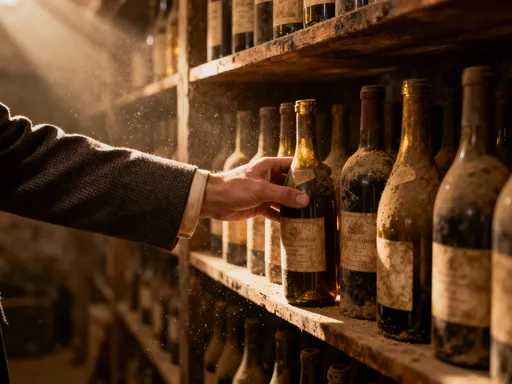
Not all wine is created equal—and certainly not all wine appreciates in value. Only a small fraction of global production qualifies as “investable,” typically fewer than 5% of all wines made each year. The key drivers of appreciation are well-defined: provenance, vintage quality, producer reputation, and critical acclaim. Provenance refers to the documented history of a bottle’s ownership and storage conditions. A wine that has been kept in a temperature- and humidity-controlled environment, with minimal movement and no exposure to light, will retain its integrity and market value far better than one stored in a basement or garage.
Vintage quality plays a crucial role as well. Weather conditions during the growing season—sunlight, rainfall, temperature fluctuations—directly impact grape development and, ultimately, the character and longevity of the wine. Exceptional vintages, such as the 2010 Bordeaux or the 2016 Burgundy, are celebrated for their balance, concentration, and aging potential. These vintages often become benchmarks against which future years are measured, leading to sustained demand and price appreciation over time. For instance, the 2010 Bordeaux vintage saw prices for top châteaux like Château Lafite Rothschild and Château Margaux rise by over 50% within five years of release, driven by near-universal acclaim from critics and strong early drinking appeal.
Producer reputation is another cornerstone of value. Estates with a long history of excellence—such as Domaine de la Romanée-Conti in Burgundy or Sassicaia in Tuscany—command premium prices due to their consistency, limited production, and global recognition. These names carry weight in auctions and private sales, often serving as safe-haven assets within the wine market. Additionally, critical scores from influential wine critics, particularly Robert Parker’s 100-point scale, have historically had a direct impact on pricing. A single high score can trigger a surge in demand, sometimes doubling a wine’s market value overnight. While the influence of individual critics has moderated in recent years with the rise of collective review platforms, expert validation remains a powerful signal of quality and investment potential.
Global Markets & Regional Power Players: Who’s Leading the Pour?
France remains the epicenter of the fine wine investment market, with Burgundy and Bordeaux leading the way in terms of value and collector interest. Bordeaux, known for its structured, age-worthy reds, has long been the benchmark for investment-grade wine. Iconic Left Bank châteaux such as Latour, Mouton Rothschild, and Haut-Brion consistently rank among the most traded and sought-after bottles on Liv-ex. Burgundy, though more fragmented due to its smaller vineyard holdings, commands even higher prices per bottle, with Domaine de la Romanée-Conti’s eponymous wine regularly selling for tens of thousands of dollars at auction.
However, the global wine investment landscape is evolving. Italy has emerged as a major player, with regions like Tuscany and Piedmont gaining prominence. Super Tuscans such as Sassicaia, Ornellaia, and Masseto have demonstrated strong price appreciation, supported by international acclaim and limited production. Similarly, Barolo and Barbaresco from Piedmont have attracted growing attention for their aging potential and rising scores. Spain, too, is making strides, with Rioja and Priorat producers like Vega Sicilia and Alvaro Palacios building reputations beyond regional borders. While Spanish wines still trade at lower price points than their French counterparts, their performance-to-cost ratio makes them attractive for investors seeking entry-level blue-chip alternatives.
Outside Europe, niche regions are gaining traction. Oregon’s Willamette Valley, for example, has built a reputation for world-class Pinot Noir, with producers like Domaine Drouhin Oregon and Beaux Frères drawing interest from collectors. Though still a small segment of the market, these New World regions offer diversification benefits and exposure to emerging trends in winemaking and consumer preference. Meanwhile, Asia—particularly China and Hong Kong—has become a pivotal force in shaping demand. Hong Kong’s removal of wine import tariffs in 2008 transformed it into a major trading hub, while Chinese collectors have fueled demand for Bordeaux and Burgundy, often purchasing en primeur (before bottling) to secure allocations. This shift has altered auction dynamics, with Asian buyers frequently setting price records at major sales in London and New York.
Risk on the Vine: The Hidden Dangers of Wine Investing
Despite its allure, wine investing is not without risk. Unlike publicly traded securities, wine lacks regulatory oversight, standardized reporting, and centralized clearing mechanisms. This makes due diligence essential. One of the most significant threats is counterfeiting. High-value bottles, especially rare vintages from legendary producers, are prime targets for fraud. There have been documented cases of counterfeiters using authentic empty bottles, falsifying labels, and even bribing insiders to obtain genuine documentation. Without proper authentication, investors can unknowingly purchase fake or reconditioned bottles, resulting in total loss of capital.
Poor storage is another silent killer of value. Wine is highly sensitive to temperature, humidity, light, and vibration. Exposure to heat can cause premature aging or “cooked” flavors, while fluctuations in humidity can lead to cork deterioration and oxidation. Bottles stored horizontally are less prone to cork drying, but even minor lapses in climate control can degrade quality over time. Many investors underestimate the importance of professional storage, opting to keep bottles at home or in unregulated facilities. This not only jeopardizes the wine’s condition but also undermines its resale value, as buyers demand proof of proper provenance.
Liquidity is another concern. While top-tier wines trade actively on platforms like Liv-ex, the market for lesser-known producers or off-vintages can be thin. Selling a bottle may take weeks or months, and transaction costs—including buyer’s premiums, seller’s fees, and insurance—can erode returns. Additionally, overhyped vintages or speculative bubbles can lead to inflated prices that eventually correct. For example, the enthusiasm surrounding the 2009 and 2010 Bordeaux vintages led to aggressive pricing, but some secondary market values have since retreated as supply increased and demand stabilized. Concentration risk is also a factor; putting too much capital into a single region, producer, or vintage exposes investors to sector-specific shocks, such as poor harvests or shifting consumer tastes.
Practical Pathways: How to Enter the Market Without Overpouring
For those interested in wine investing, there are several entry points, each with distinct advantages and trade-offs. The most direct route is purchasing physical bottles, ideally through reputable merchants or auction houses. This approach offers full ownership and control, but it requires careful planning. Investors must arrange for professional storage, typically through bonded warehouses that offer climate control, insurance, and audit trails. These facilities not only preserve the wine’s condition but also enhance its marketability when it comes time to sell.
For those who prefer a hands-off approach, wine investment funds provide a structured alternative. These funds pool capital from multiple investors to buy curated portfolios of fine wines, managed by experts with deep market knowledge. They handle storage, authentication, and sales, charging a management fee and sometimes a performance-based incentive. The benefit is diversification and professional oversight, reducing the burden on individual investors. However, fees can be significant, and investors have less control over specific holdings. Some funds focus exclusively on blue-chip Bordeaux and Burgundy, while others include emerging regions or white wines, offering different risk-return profiles.
A newer option is fractional ownership platforms, which allow investors to buy shares in high-value bottles or collections. These platforms use blockchain technology to verify ownership and track provenance, increasing transparency and accessibility. A single bottle of Domaine de la Romanée-Conti, for example, might be divided into 100 shares, enabling smaller investors to participate in the market. While this model lowers the barrier to entry, it also introduces complexities around governance, valuation, and exit strategies. Additionally, not all platforms are regulated, so investors must exercise caution and prioritize those with strong track records and third-party audits.
A balanced strategy might include a mix of direct ownership, fund exposure, and selective use of fractional platforms. A sample portfolio could allocate 60% to established producers like Lafite or DRC, 30% to rising stars in Italy and Spain, and 10% to experimental regions or vintages. Given that wine typically matures over 10 to 15 years, patience is essential. Quick flips are rare, and successful investing requires a long-term perspective, continuous learning, and disciplined decision-making.
Data Tells the Story: Tracking Performance and Trends
One of the most powerful tools in wine investing is data. The Liv-ex Fine Wine 100 Index, which tracks the price movements of 100 of the world’s most traded fine wines, provides a reliable benchmark for performance. Since its inception in 2003, the index has shown resilience, with positive returns in 13 of the past 20 years. Annualized returns have averaged around 8%, with notably strong performance during periods of economic uncertainty. For example, between 2008 and 2013, the index rose by over 150%, far outpacing global equity markets.
Volatility in the wine market is generally lower than in equities, particularly for top-tier wines. The Liv-ex 100 has a historical volatility of around 7–9%, compared to 15–20% for major stock indices. This stability stems from the illiquid nature of the asset class—prices don’t swing wildly on daily trading—and the long holding periods typical among collectors. Additionally, correlations between wine and other asset classes are low, making it an effective diversifier. Studies have shown that adding a 5–10% allocation to fine wine can improve portfolio risk-adjusted returns, especially during inflationary periods when tangible assets tend to hold value better than paper assets.
Year-over-year trends reveal interesting patterns. The early 2010s saw a boom in demand from Asia, particularly China, which drove prices for First Growth Bordeaux to record highs. However, a slowdown in the Chinese economy and anti-corruption measures led to a correction, with some prices falling by 30–40% between 2011 and 2016. Since then, the market has rebalanced, with more diversified global demand and a greater emphasis on Burgundy and Italian wines. Outlier vintages, such as the 2016 Bordeaux, have performed exceptionally well, gaining over 40% in value within three years of release. Macroeconomic factors like inflation, currency fluctuations, and trade policies also play a role. For instance, a weaker euro can make European wines more affordable for U.S. and Asian buyers, boosting demand and prices.
The Future Vintage: Where Is the Market Headed?
Looking ahead, the wine investment market is poised for transformation. Climate change is already affecting growing conditions, with warmer temperatures altering ripening patterns and challenging traditional notions of terroir. Some regions may benefit, while others face increased risk of drought, wildfires, or unpredictable harvests. Producers are adapting through canopy management, irrigation (where permitted), and even relocating vineyards to cooler areas. These shifts will influence which regions and varietals gain prominence in the coming decades.
Consumer preferences are also evolving. Younger collectors, particularly Millennials and Gen Z, tend to favor diversity, accessibility, and sustainability over the old-guard icons. Natural wines, organic practices, and low-intervention winemaking are gaining traction, though their long-term investment potential remains unproven. At the same time, digital ownership models are emerging. Blockchain-based provenance tracking, NFT-linked bottles, and tokenized shares are beginning to enter the space, offering greater transparency and fractional access. While still in early stages, these technologies could reduce fraud, streamline transactions, and attract a new generation of investors.
Sustainability is becoming a key consideration. Investors are increasingly asking about carbon footprints, water usage, and ethical labor practices. Wines from estates that prioritize environmental stewardship may gain a premium, not just for their quality but for their alignment with broader values. This shift mirrors trends in other luxury and alternative asset markets, where purpose and responsibility are gaining equal footing with performance.
The future of wine investing will reward those who combine patience with knowledge. It is not a get-rich-quick scheme, nor is it suitable for speculative behavior. Success comes from understanding the rhythms of the vine, the nuances of the market, and the importance of stewardship. For the disciplined investor, wine offers more than financial return—it offers a connection to history, craftsmanship, and the quiet confidence that comes from owning something truly rare.