Hidden Gems & Skyline Dreams: Shopping with a View in Dhaka
You know what? Dhaka isn’t just chaotic streets and honking rickshaws—there’s a whole side of this city that’ll blow your mind. I’m talking rooftop markets with golden sunset views, buzzing malls where fashion meets culture, and local bazaars tucked beneath sky-high towers. If you think shopping here is just bargaining in crowded lanes, wait till you see the city from above while clutching a bag of handwoven treasures. This is more than retail—it’s an experience with a skyline backdrop. Dhaka has quietly evolved into a destination where tradition and modernity coexist in vibrant harmony, offering travelers not just goods, but moments. From elevated terraces to riverside alleys, the city invites you to look beyond the surface and discover its layered soul—one view, one purchase, one memory at a time.
The Sky-High Shopping Scene: Why Dhaka Surprised Me
Dhaka’s urban landscape has undergone a quiet revolution over the past decade, transforming from a city often defined by congestion into one that embraces vertical elegance and open-air experiences. What once seemed like an impossible dream—shopping with a view in the midst of South Asia’s densest metropolises—has become a delightful reality. The city’s skyline, dotted with rising towers and riverfront developments, now hosts a new kind of retail therapy: elevated, immersive, and deeply connected to its surroundings. Unlike other rapidly urbanizing capitals where modernity overshadows heritage, Dhaka strikes a balance, allowing tradition to breathe alongside innovation.
This transformation is most visible in how residents and visitors now engage with commercial spaces. Rooftop boutiques, sky lounges, and open-air terraces have emerged as social and cultural hubs, particularly in affluent neighborhoods like Gulshan, Baridhara, and Banani. These areas, once primarily residential, now double as weekend destinations where families sip artisanal tea while gazing at the fading daylight over the Buriganga River. The experience is not staged for tourists alone; it’s a lifestyle choice embraced by locals who seek comfort without sacrificing connection to the city’s rhythm.
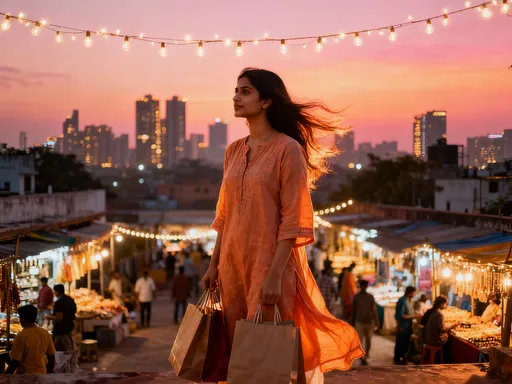
What makes these elevated shopping experiences so compelling is the sensory layering they offer. Imagine standing on a softly lit terrace, the evening breeze carrying the faint scent of jasmine and street food, while the city hums below like a living organism. Around you, handcrafted textiles flutter in the wind, local designers present their latest collections, and children laugh as they chase glowing kites against a painted sky. These spaces are designed not just for consumption, but for contemplation—moments of pause in a fast-moving world. They reflect a growing appreciation for atmosphere, ambiance, and authenticity, values increasingly important to modern consumers, especially women who value both beauty and meaning in their daily lives.
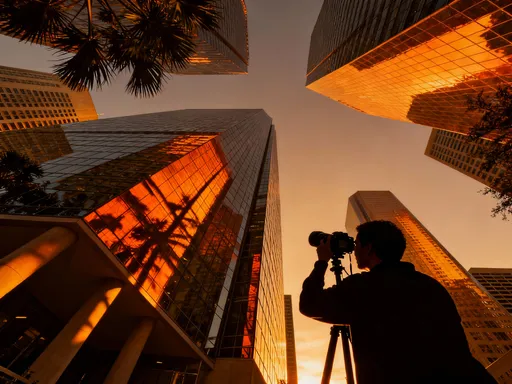
The architectural shift supports this evolution. New commercial buildings incorporate open decks, glass facades, and green spaces, allowing natural light and airflow to enhance the shopping experience. Some even feature rooftop gardens where visitors can stroll between shopping stops, enjoying views of minarets, waterways, and distant hills. This intentional blending of nature, design, and commerce creates a sense of escape without leaving the city—ideal for mothers seeking a peaceful afternoon, professionals unwinding after work, or friends reconnecting over shared discoveries. Dhaka’s sky-high shopping scene is not about luxury for luxury’s sake; it’s about creating spaces where people feel seen, refreshed, and inspired.
Rooftop Markets: Where Fashion Meets the Horizon
In recent years, Dhaka has witnessed the rise of a charming and community-driven trend: pop-up rooftop markets. These events, often organized on weekends, transform underused terraces of high-rise buildings into vibrant cultural showcases. Held primarily in central districts like Gulshan, Dhanmondi, and Banani, these markets attract hundreds of visitors eager to support local artisans, enjoy live music, and experience something uniquely Dhaka. What sets them apart is not just the merchandise, but the setting—open skies, panoramic views, and a relaxed, creative energy that feels both intimate and expansive.
Each market is a curated mix of independent vendors offering handcrafted jewelry, organic skincare, bespoke clothing, and artisanal food. You’ll find young designers selling cotton kurtas printed with motifs inspired by Bengali folk art, or mothers displaying embroidery work passed down through generations. These stalls are more than retail points; they are personal stories made tangible. Many vendors use the platform to launch small businesses, often funded through family savings or microloans, turning passion into livelihood. For shoppers, especially women who value ethical consumption and meaningful purchases, these markets offer a rare opportunity to connect directly with creators.
The atmosphere is carefully crafted to enhance the experience. Fairy lights strung across the rooftop, lanterns swaying in the breeze, and soft instrumental music create a dreamy ambiance. Food carts serve fresh rose lassi, spiced cha, and grilled snacks, allowing visitors to linger and enjoy the golden hour as the sun dips behind distant mosque domes. Some events include live painting, poetry readings, or henna application stations, turning the evening into a full sensory celebration. These additions make rooftop markets ideal for family outings, date nights, or solo explorations—safe, welcoming, and culturally enriching.
Social media plays a crucial role in their popularity. Organizers promote events weeks in advance through Instagram and Facebook, building anticipation with teaser images and vendor spotlights. Hashtags like #DhakaRooftopMarkets or #CraftedInDhaka help spread the word, creating a sense of community among attendees. Many women report feeling a deep sense of pride and connection when they discover homegrown talent and take home items that reflect their values—sustainability, craftsmanship, and cultural identity. These markets are not just shopping destinations; they are expressions of a city’s evolving spirit, where youth, creativity, and tradition converge under the open sky.
Mega-Malls with a View: Style, Comfort, and Skyline Glimpses
While rooftop markets offer charm and intimacy, Dhaka’s mega-malls provide a different kind of elevated experience—one rooted in comfort, variety, and modern convenience. Places like Bashundhara City, Jamuna Future Park, and Aarong Mall have become landmarks in their own right, drawing visitors not only for their retail offerings but for their architectural ambition and city views. These are not mere shopping centers; they are multi-level ecosystems housing fashion boutiques, gourmet restaurants, entertainment zones, and expansive terraces that offer glimpses of the skyline, especially during evening hours.
What distinguishes Dhaka’s malls from those in other South Asian cities is their integration of local identity within a modern framework. International brands like Levi’s and Miniso share space with beloved homegrown labels such as Aarong, Kay Kraft, and Anjan’s, ensuring that visitors can explore global trends while staying connected to Bangladeshi craftsmanship. This balance appeals particularly to women who seek both style and substance in their wardrobes, allowing them to find everything from elegant jamdani sarees to contemporary fusion wear under one roof.
The upper floors of these malls are where the magic happens. Food courts with floor-to-ceiling windows become prime viewing spots, especially during festivals like Eid or Pohela Boishakh, when the city lights up in celebration. Observation decks, though not permanent in most cases, are sometimes set up during special events, offering photo opportunities with the cityscape as a backdrop. Open-air terraces are increasingly common, providing families a place to gather, children to play safely, and couples to enjoy a quiet moment above the urban rush. These spaces are air-conditioned, secure, and well-lit—essential qualities for women and families navigating the city, especially during the hot and humid months.
For many, these malls represent a sanctuary—a place to escape the noise and heat while still feeling part of the city’s pulse. They are also social hubs, where friends meet for coffee, mothers take daughters shopping for school uniforms, and retirees enjoy afternoon strolls. The presence of prayer rooms, nursing areas, and clean restrooms reflects a growing awareness of diverse needs, making these spaces inclusive and respectful. In a city where public infrastructure can be uneven, such amenities are not just convenient—they are empowering. Shopping in Dhaka’s mega-malls is not just about buying; it’s about belonging, comfort, and dignity in a rapidly changing urban environment.
Heritage Bazaars Below the Skyline: Tradition at Ground Level
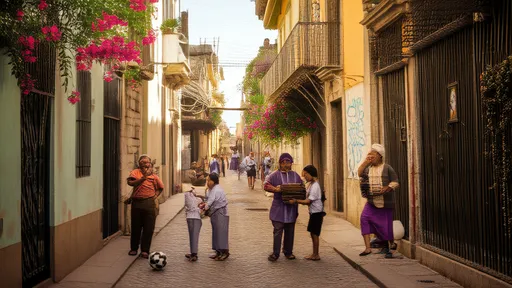
Beneath the glass towers and LED-lit facades lie Dhaka’s historic markets—New Market, Shahbag, Sadarghat, and Chawk Bazaar—where commerce has thrived for generations. These are not tourist attractions in the conventional sense; they are living, breathing parts of daily life, where vendors call out prices, rickshaws weave through narrow lanes, and the air carries the mingling scents of spices, flowers, and freshly baked bread. To shop here is to step into the heart of Dhaka’s cultural identity, where tradition is not preserved behind glass but practiced with pride and energy.
New Market, established during the British colonial era, remains one of the city’s most iconic shopping destinations. Its arched corridors house hundreds of stalls selling everything from silk sarees and perfumes to kitchenware and cosmetics. What makes it special is the human connection—the vendor who remembers your name, the tailor who adjusts a blouse while you wait, the grandmother who insists you try her homemade sandesh before buying. These interactions, rooted in trust and familiarity, create a shopping experience that feels personal and meaningful, especially for women who value relationship-based commerce over transactional exchanges.
Shahbag, another historic hub, offers a different rhythm. Located near universities and cultural institutions, it attracts students, artists, and intellectuals. Here, you’ll find bookstores with rare Bengali literature, music shops selling vintage cassettes, and stalls offering hand-painted masks and pottery. The area pulses with intellectual energy, making it ideal for those seeking inspiration beyond fashion. Meanwhile, Sadarghat, the city’s main riverport, blends commerce with movement. As riverboats dock and depart, vendors sell snacks, textiles, and travel essentials to passengers. The backdrop of the Buriganga River, with its ever-changing light and reflections, adds a poetic dimension to the shopping experience.
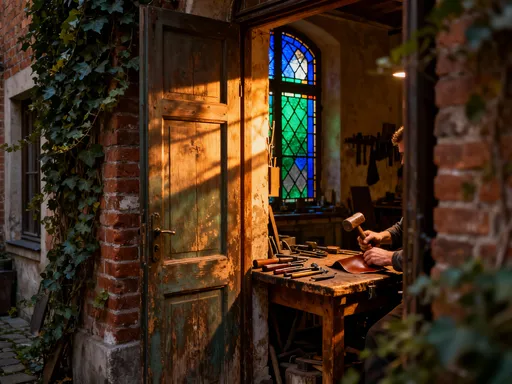
What ties these bazaars together is their authenticity. They are crowded, loud, and unapologetically real—qualities that might overwhelm some but deeply resonate with others. For women who grew up visiting markets with their mothers or grandmothers, these spaces evoke nostalgia and continuity. They are also where you’ll find some of the finest traditional crafts: nakshi kantha quilts stitched by rural artisans, intricate zardozi embroidery, and muslin fabric so fine it’s been called “woven air.” These items are not mass-produced; they carry the weight of heritage and the warmth of human hands. Shopping here is not just economic activity—it’s an act of cultural preservation.
How to Choose the Right Spot: Matching Views with Vibe
With so many shopping experiences available, choosing the right one depends on your mood, schedule, and travel companions. Each type of destination offers a distinct atmosphere, and understanding these differences can help you make the most of your time in Dhaka. Whether you’re seeking relaxation, adventure, cultural immersion, or family-friendly fun, there’s a perfect spot waiting for you.
If you’re drawn to romance and photography, rooftop markets and mall terraces are ideal. Late afternoons, particularly between 4:30 and 6:30 PM, offer the best lighting—soft, golden, and flattering. This is when the city glows, and the skyline becomes a living painting. These spaces are also safer and more accessible for solo female travelers or small groups of friends. The curated environment, combined with the presence of security and staff, allows for a more relaxed pace, perfect for those who want to enjoy the moment without constant vigilance.
For a deeper cultural experience, heritage bazaars are unmatched. Visiting at dawn, especially on weekdays, offers a quieter, more reflective atmosphere. The light is gentle, the air is cooler, and the markets are less crowded, allowing you to engage with vendors, observe daily rituals, and absorb the rhythm of local life. This is especially meaningful for women interested in textile history, traditional medicine, or culinary arts, as many stalls specialize in generational knowledge and handmade goods.
Families with children may prefer the controlled environment of mega-malls, where safety, cleanliness, and variety are prioritized. These spaces offer play areas, stroller access, and food options suitable for all ages. Evening visits are particularly pleasant, as the city cools down and the upper terraces come alive with lights and music. For solo explorers or creative professionals, timing a visit to coincide with a pop-up cultural event—such as a poetry night or artisan fair—can lead to unexpected connections and inspiration.
Ultimately, the best choice is one that aligns with your values and energy. Dhaka rewards curiosity and openness, offering layered experiences that evolve with each visit. By matching your destination to your desired vibe, you transform shopping from a chore into a journey—one that enriches your understanding of the city and yourself.
Practical Tips: Navigating Dhaka’s Elevated Experiences
To fully enjoy Dhaka’s diverse shopping landscape, a bit of planning goes a long way. Transportation is the first consideration. Ride-sharing apps like Pathao and Uber are reliable and widely used, especially for reaching malls and rooftop events in safer neighborhoods. However, when visiting heritage markets like New Market or Chawk Bazaar, narrow lanes and heavy foot traffic may make rickshaws or walking the better option. Local cycle rickshaws are not only practical but also offer a charming, low-impact way to explore.
Payment methods vary by location. In malls and formal boutiques, credit cards and POS machines are common, but in smaller stalls and pop-up markets, cash remains the preferred method. It’s wise to carry small denominations in Bangladeshi taka, as change can be difficult to find in busy settings. ATMs are available in malls and major intersections, but it’s best to withdraw cash during daylight hours for safety.
Dress modestly and comfortably. Dhaka is a conservative city by South Asian standards, and respectful attire—such as long skirts, loose tops, or shawls—helps you blend in and feel at ease. A light scarf is especially useful: it can shield you from the sun, serve as a cover-up when entering religious or mixed spaces, or double as a stylish accessory. Closed-toe shoes are recommended for walking on uneven surfaces, particularly in older markets.
Timing is crucial. Midday heat, especially from April to June, can be intense, so aim for late afternoon or evening visits. This not only improves comfort but also enhances the experience—sunset views, cooler breezes, and festive lighting make evening outings particularly memorable. Always check local event pages or social media groups for temporary rooftop markets or cultural pop-ups, as many are weekend-only and not widely advertised.
Finally, bring your camera or smartphone, but be mindful of privacy. While photos of the skyline and architecture are encouraged, always ask permission before photographing people, especially vendors or families. Many appreciate a smile and a quick chat before a picture is taken. These small gestures build trust and open doors to richer, more authentic interactions.
Why This Experience Matters: More Than Just Shopping
Shopping with a view in Dhaka is not merely a leisure activity—it is a window into the soul of a city in transformation. Each vantage point, whether from a rooftop market, a mall terrace, or a riverside bazaar, tells a story of resilience, creativity, and cultural continuity. It reflects a society where tradition and modernity are not in conflict but in conversation, where women play a central role as curators, creators, and consumers of beauty and meaning.
For visitors, especially women who value connection, authenticity, and personal growth, these experiences offer more than souvenirs. They offer perspective. Standing above the city with a cup of hot cha in hand, watching the lights flicker on along the river, you begin to see Dhaka not as a chaotic metropolis but as a tapestry of lives, dreams, and daily acts of courage. You see mothers teaching daughters how to bargain, artisans preserving ancient crafts, and young entrepreneurs turning rooftops into galleries.
This is the deeper value of elevated shopping: it invites participation. You are not just observing; you are part of the rhythm. Every purchase supports a family, every conversation builds a bridge, every moment of stillness beneath the open sky restores a sense of wonder. In a world that often feels disconnected, Dhaka reminds us that beauty emerges in the most unexpected places—on a terrace above the noise, in a crowded alley beneath a minaret, in the quiet pride of a hand-stitched quilt.
So the next time you think of Dhaka, don’t just picture traffic and towers. Picture a woman smiling as she finds the perfect saree, a child laughing on a rooftop playground, a sunset painting the skyline in gold and rose. Picture a city that offers not just things to buy, but moments to remember. Because in Dhaka, shopping with a view is not just an activity—it’s an invitation to see, feel, and belong.