Lyon Like a Local: Where Culture Comes Alive on Every Corner
You know that feeling when a city just gets you? Lyon wasn’t on my radar like Paris or Nice, but wow—this place pulled me in hard. Forget cookie-cutter tours; here, every cobblestone square, hidden traboule, and sizzling bouchon feels like a secret handshake. I’m talking full-on immersion: street art that tells stories, festivals that take over entire neighborhoods, and traditions so alive, you can taste them. This is culture, not as a museum piece—but as a heartbeat. Lyon doesn’t perform for tourists; it lives. And if you’re willing to slow down, listen, and wander with curiosity, the city opens its doors in ways few others do.
First Impressions: Lyon’s Vibe Beyond the Guidebooks
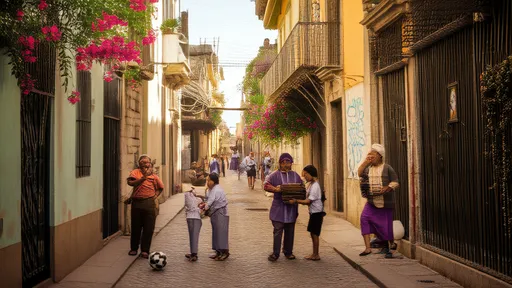
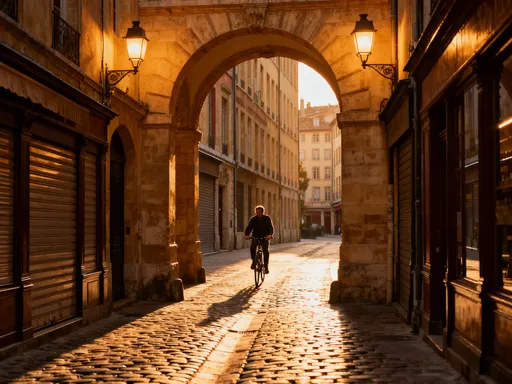
Arriving in Lyon without expectations is perhaps the best way to experience it. Unlike France’s more famous cities, where grand boulevards or coastal glamour set the tone, Lyon reveals itself gradually—layer by layer, street by quiet street. The city sits at the confluence of the Rhône and Saône rivers, a geographical detail that shaped its history as a crossroads of trade, art, and ideas. From the moment you step into Vieux Lyon, the largest Renaissance district in France, you sense a different rhythm. The air carries the scent of freshly baked bread mingling with damp stone, and the sound of footsteps echoes off centuries-old archways. Yet, this is no frozen-in-time relic. Children race bicycles through narrow lanes, neighbors greet each other by name at corner bakeries, and the occasional street musician plays jazz beneath a vine-covered courtyard.
What sets Lyon apart is its authenticity. While Paris dazzles with curated elegance and Nice thrives on Mediterranean flair, Lyon feels lived-in, real, and deeply rooted in daily life. It welcomes visitors, yes, but doesn’t reshape itself for them. Tourists are present, but they don’t dominate. You won’t find crowds queuing for replicas of the Eiffel Tower or souvenir stalls selling mass-produced trinkets. Instead, you’ll see locals lingering over espresso at sidewalk cafés, browsing artisan cheese shops, or picking through seasonal produce at open-air markets. This balance—between accessibility and integrity—is rare, and it’s one of the reasons Lyon resonates so deeply with those who visit.
The city’s layered identity—Roman ruins, medieval churches, silk-weaving history, modern design—creates a rich cultural tapestry. Fourvière Hill, crowned by the basilica of Notre-Dame de Fourvière, offers panoramic views and a glimpse into Lyon’s spiritual and historical heart. Below, the traboules—those narrow passageways that cut through buildings and courtyards—whisper stories of resistance during World War II and centuries of silk trade. Lyon doesn’t just preserve its past; it integrates it into the present, making history feel immediate and personal.
The Heartbeat of Tradition: Les Fêtes and Seasonal Celebrations
If you want to feel the pulse of Lyon, time your visit with one of its beloved festivals. The most renowned is the Fête des Lumières (Festival of Lights), held every December. What began as a religious tribute to the Virgin Mary has evolved into a four-day celebration of light, art, and community. Across the city, buildings become canvases. Projections dance across cathedral façades, glowing installations appear in parks, and neighborhoods transform into open-air galleries. Residents gather in the streets, cradling warm drinks, marveling at the spectacle. Children point skyward at floating lanterns. There’s a sense of collective wonder, a shared moment of beauty that transcends age, background, or language.
What makes the Festival of Lights so special is its grassroots spirit. Many installations are created by local artists, students, or neighborhood groups. It’s not a corporate-sponsored event with flashy branding; it’s a city coming together to illuminate itself—literally and figuratively. You’ll see families setting candles in windows, a centuries-old tradition, turning entire streets into shimmering corridors of light. The atmosphere is joyful, contemplative, and deeply human. To walk through Lyon during this time is to be enveloped in warmth, not just from the glow of thousands of lights, but from the presence of people celebrating life in unison.
But the Fête des Lumières is just one highlight in a calendar rich with cultural expression. The Nuits de Fourvière, held each summer, transforms the ancient Roman theater on Fourvière Hill into a stage for international music, theater, and dance. Performances range from classical opera to contemporary circus acts, drawing both local audiences and visitors from across Europe. Similarly, the Balelec Festival, Lyon’s largest student-organized music event, brings indie, electronic, and rock acts to the Parc de Gerland, creating a vibrant, inclusive atmosphere. These festivals aren’t tourist attractions; they’re community experiences. Attending one isn’t about checking a box—it’s about becoming part of a moment, feeling the energy of a city that knows how to celebrate.
Culinary Culture: More Than Just a Meal
Lyon’s reputation as the gastronomic capital of France isn’t hyperbole—it’s heritage. Here, food isn’t just sustenance; it’s identity, memory, and connection. At the heart of this tradition are the bouchons, small, family-run restaurants that serve hearty, regional dishes with warmth and pride. Unlike formal fine-dining establishments, bouchons are unpretentious. The tables are close together, the service is friendly, and the focus is on flavor, not presentation. To dine in a bouchon is to be welcomed into a culinary home.
Signature dishes tell the story of Lyon’s working-class roots and agricultural abundance. Quenelles, delicate dumplings typically made from pike or chicken, are served in a rich Nantua sauce, a nod to the region’s freshwater lakes. Salade lyonnaise, a mix of frisée lettuce, lardons, poached egg, and a sharp vinaigrette, is both rustic and refined. Rosette de Lyon, a cured pork sausage, reflects the city’s long tradition of charcuterie. Each bite carries history, crafted by cooks who learned from parents and grandparents, often using recipes passed down for generations.
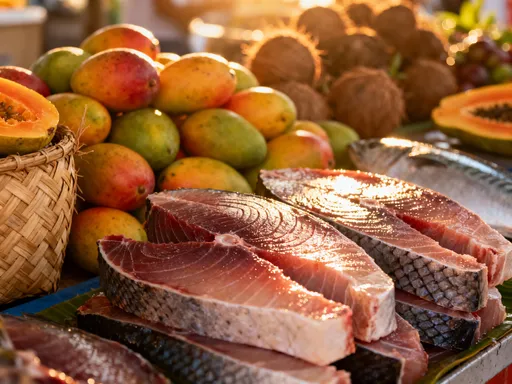
Equally important is Lyon’s market culture. Les Halles de Lyon Paul Bocuse, named after the legendary chef, is a food lover’s paradise. Under a soaring glass roof, vendors display gleaming charcuterie, wheels of cheese, fresh seafood, and baskets of seasonal fruit. The air hums with conversation and the clatter of knives on cutting boards. This isn’t a market designed for tourists—it’s where Lyon’s best chefs shop, and where locals come to taste the best of the region. Visiting Les Halles is an education in French terroir, the idea that food tastes of the place it comes from.
To eat like a local, follow a few simple rules. Avoid restaurants with multilingual menus displayed outside—these often cater to tourists and charge accordingly. Instead, look for places filled with residents, especially at lunchtime. Learn a few basic French phrases—bonjour, s’il vous plaît, merci—and use them. Order the menu du jour, the daily special, which is usually fresh, seasonal, and fairly priced. And don’t rush. Meals in Lyon unfold slowly, over multiple courses and glasses of wine. This isn’t dining; it’s ritual.
Art in Motion: Street Art, Theaters, and Hidden Passages
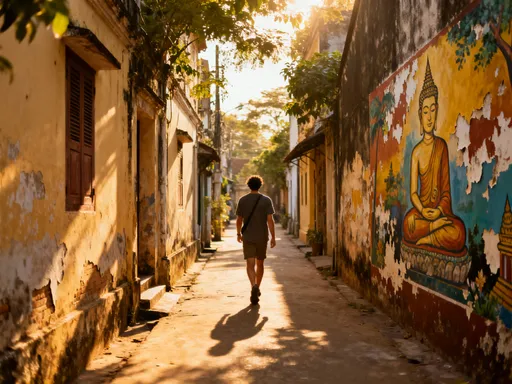
Art in Lyon isn’t confined to museums. It lives in the streets, in courtyards, on the sides of buildings. Nowhere is this more evident than in La Croix-Rousse, a hillside district once home to silk weavers and now a hub for artists, designers, and creatives. Wander through its narrow streets, and you’ll find murals that stretch across entire façades—colorful, imaginative, and often deeply symbolic. Some depict historical figures; others tell modern stories of migration, identity, or environmental change. The city supports this vibrant scene through initiatives like the Street Art Tour, which maps out key works and encourages respectful exploration.
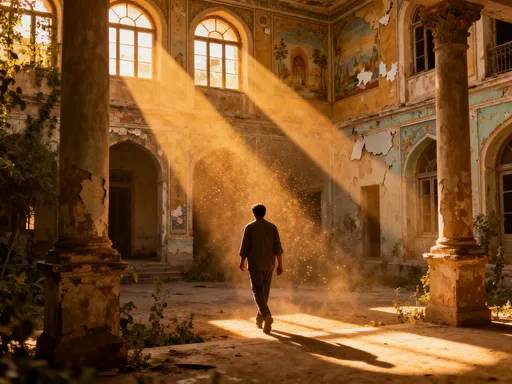
Equally captivating are the traboules, those hidden passageways that weave through Lyon’s old quarters. Originating in the Middle Ages, they were used by silk workers to transport fabric from workshops to the river without getting wet. Today, they offer a sense of discovery. One moment you’re on a busy street; the next, you’re stepping through an archway into a quiet, sun-dappled courtyard, where laundry hangs between buildings and a cat naps on a windowsill. Some traboules are marked with signs; others remain unmarked, waiting to be found. Walking through them feels like moving through time, as if the city is sharing a secret.
Lyon’s performing arts scene is equally dynamic. The Théâtre Gallo-Romain, a well-preserved Roman amphitheater, hosts open-air concerts and theatrical performances each summer, blending ancient architecture with modern expression. The Ballet de l’Opéra National de Lyon is renowned for its innovative choreography, while smaller venues throughout the city showcase experimental theater, jazz, and spoken word. What ties these experiences together is accessibility. Many performances are affordable, and the city encourages participation through workshops, open rehearsals, and community events. Art here isn’t for the elite—it’s for everyone.
Craftsmanship That Endures: From Silk to Ceramics
Lyon’s identity is inseparable from its legacy of craftsmanship, particularly silk weaving. In the 19th century, the city was the center of France’s silk industry, and La Croix-Rousse was its beating heart. Rows of apartment buildings were designed with large windows and sturdy looms on the top floors, where weavers—known as canuts—worked long hours to create luxurious fabrics for palaces and fashion houses. Though industrialization diminished the trade, the spirit of craftsmanship endures.
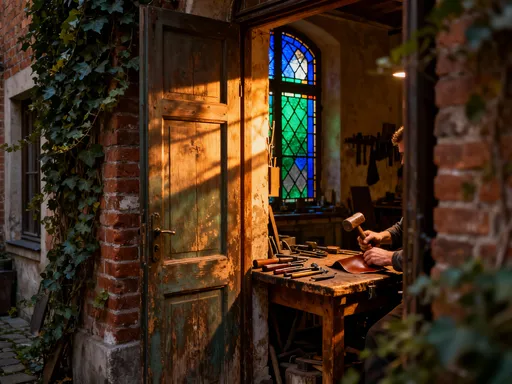
Visiting a traditional atelier, even an unassuming one tucked into a quiet street, offers a glimpse into this world. The rhythmic clack of the loom, the feel of silk under your fingers, the precision of the patterns—all speak to a dedication to detail and quality. Some artisans continue to use original 19th-century Jacquard looms, machines that were revolutionary in their time and are now preserved as both tools and artifacts. While silk remains iconic, Lyon’s craft culture extends to other disciplines. Local potters shape elegant ceramics, bookbinders restore antique volumes by hand, and perfumers create scents inspired by the region’s flora.
Supporting these artisans isn’t just about buying souvenirs—it’s about sustaining a way of life. When you purchase a handwoven scarf, a hand-thrown bowl, or a custom-bound journal, you’re not just acquiring an object; you’re connecting with a tradition. Many workshops welcome visitors, offering demonstrations or short classes. These experiences are quiet, intimate, and deeply rewarding. They remind us that true luxury isn’t mass-produced; it’s made with care, time, and intention.
Neighborhood Souls: Finding Culture Block by Block
Lyon’s charm lies in its diversity of neighborhoods, each with its own character and rhythm. The Presqu’île, the peninsula between the Rhône and Saône rivers, is the city’s elegant core. Wide boulevards, 19th-century architecture, and designer boutiques give it a refined air. Place Bellecour, one of Europe’s largest open squares, anchors the area, flanked by cafés and street performers. Yet even here, local life thrives. Residents jog along the riverbanks, students gather in parks, and office workers sip coffee at outdoor tables.
In contrast, La Croix-Rousse pulses with bohemian energy. Formerly a working-class district, it’s now home to artists, small studios, and independent shops. The marché aux puces, or flea market, draws collectors and curious browsers every Saturday, offering everything from vintage clothing to antique tools. Cafés here have a relaxed vibe, often with chalkboard menus and mismatched chairs. It’s a place to linger, to strike up a conversation, to feel the creative current.
Vieux Lyon, as mentioned, is a Renaissance treasure. Its cobblestone streets, arched passageways, and colorful buildings make it one of the most photogenic areas in France. But beyond the beauty, it’s a living neighborhood. Families live in restored apartments, children play in hidden courtyards, and local restaurants serve traditional dishes with pride. Confluence, at the southern tip of the Presqu’île, represents Lyon’s modern face. A former industrial zone transformed into a district of bold architecture, green spaces, and cultural institutions like the Musée des Confluences. It’s a place of innovation, yet still grounded in community.
Navigating these districts is easy thanks to Lyon’s efficient public transportation. The metro, tram, and bus systems are clean, reliable, and well-connected. Many visitors choose to rent bikes or simply walk, especially in the compact city center. To blend in, follow local rhythms: have coffee in the morning, shop at markets in the afternoon, dine late, and take your time. There’s no rush in Lyon—only presence.
Immersive Travel Done Right: How to Connect, Not Just Consume
Experiencing Lyon like a local isn’t about following a checklist—it’s about cultivating connection. Start with language. While many Lyonnais speak English, especially in tourist areas, making an effort to speak French—even just greetings and simple phrases—opens doors and hearts. A sincere bonjour at a bakery or merci at a market stand can transform a transaction into a moment of human exchange.
Time your visit around local life. Instead of packing every day with sights, align your schedule with seasonal markets, neighborhood festivals, or cultural events. Visit a bouchon during lunch, when it’s filled with locals on a break. Take a Sunday stroll along the river, where families picnic and friends play pétanque. Choose accommodations that feel residential—family-run guesthouses, apartments in quiet buildings—rather than large hotels. These choices slow you down and bring you closer to the rhythm of daily life.
Practice ethical travel by respecting the city’s quiet zones, especially in residential areas. Avoid loud conversations late at night, and be mindful of photography in private spaces like traboules. Support small businesses—buy bread from the corner boulangerie, choose wine from independent shops, dine at family-run restaurants. These choices sustain the local economy and preserve the culture you’ve come to appreciate.
True immersion isn’t about doing everything. It’s about being present. It’s sitting at a café with a notebook, watching the world go by. It’s asking a vendor about their favorite cheese. It’s getting lost in a side street and finding a mural that takes your breath away. Lyon rewards curiosity, patience, and respect. It doesn’t need to impress you—it already knows its worth.
Why Lyon Stays With You
Lyon doesn’t leave you because it wasn’t trying to impress. It simply was itself—alive, layered, and unapologetically real. Its magic lies not in grand monuments or postcard views, but in the way culture breathes through everyday life. It’s in the steam rising from a bouchon’s kitchen, the laughter at a neighborhood festival, the quiet concentration of a weaver at a loom. This is a city that invites you not to observe, but to participate.
For the traveler seeking depth over dazzle, Lyon is a revelation. It reminds us that the best journeys aren’t about collecting sights, but about feeling a place in your bones. It teaches us to slow down, to listen, to savor. And when you leave, you don’t just carry memories—you carry a sense of belonging. You may return to see new exhibits or try a new bouchon, but deep down, you’ll know: you’re returning not for what Lyon shows you, but for how it makes you feel. At home.