Lost in the Wild: My Soul Got Free in Ushuaia’s Untamed Reserve
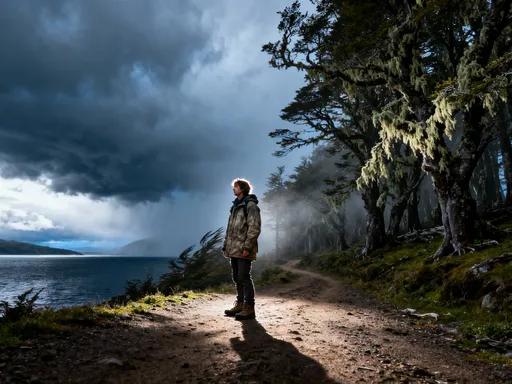
Have you ever stood at the edge of the world and felt completely alive? That’s exactly what happened when I stepped into the Tierra del Fuego National Park near Ushuaia, Argentina—the planet’s southernmost frontier. Surrounded by raw wilderness, glacial rivers, and silent forests, I wasn’t just visiting a protected reserve; I was immersed in it. This is more than a trip—it’s a sensory awakening, a deep connection with nature in its purest form. The crisp air filled my lungs, the scent of damp bark and moss rose from the forest floor, and the distant rush of meltwater echoed like a whispered secret. In that moment, the noise of daily life dissolved, replaced by the quiet power of untouched land. This is not just a destination for adventure—it is a sanctuary for the soul.
Arrival in Ushuaia: Gateway to the End of the Earth
Ushuaia, often called the End of the World, is the southernmost city on Earth, cradled between the jagged peaks of the Martial Mountains and the cold, shimmering waters of the Beagle Channel. Nestled on the island of Tierra del Fuego, it is more than a remote outpost—it is a threshold. For travelers seeking profound natural experiences, Ushuaia is the starting point of a journey into one of the last truly wild places on the planet. The city itself is modest in size but rich in atmosphere, with colorful wooden houses clinging to steep hillsides and a quiet rhythm shaped by the seasons and the sea.
Visitors often remark on the sharp clarity of the air, the way sunlight glints off snowfields even in summer, and the constant presence of wind whispering through the trees. There is a sense of isolation here, not as a burden but as a gift—a reminder that some places remain beyond the reach of mass tourism and urban sprawl. This remoteness is part of Ushuaia’s magic, offering a rare opportunity to disconnect and reset.
From Ushuaia, accessing the Tierra del Fuego National Park is both simple and scenic. The park lies just 12 kilometers west of the city center, reachable by public bus, rental car, or guided shuttle. The drive follows Route 3, winding along the northern shore of the Beagle Channel. With every turn, the landscape unfolds—dense forests of lenga and ñire trees, frozen tarns reflecting the sky, and distant glaciers clinging to mountain ridges. The transition from town to wilderness is gradual yet unmistakable. By the time you reach the park entrance, the hum of civilization has faded, replaced by the quiet pulse of nature.
For many, this short journey marks the beginning of a deeper experience. The park is not just a scenic backdrop but a living, breathing ecosystem protected since 1960 to preserve the unique subantarctic environment. It covers over 63,000 hectares and serves as a sanctuary for native plants and animals found nowhere else. As the gateway to this reserve, Ushuaia plays a vital role in sustainable tourism, offering services and information while encouraging low-impact exploration. The city’s proximity to the park means that even a day trip can feel like an expedition into the unknown.
Stepping Into the Reserve: Where Wilderness Begins
The entrance to Tierra del Fuego National Park is unassuming—a wooden archway framed by native trees, with a small visitor center nearby. Yet crossing that threshold feels like stepping into another world. The air grows cooler, the light softer, filtered through a canopy of evergreen and deciduous species adapted to the harsh southern climate. Immediately, the senses sharpen. The scent of wet earth and pine fills the air. Bird calls echo from unseen branches. A breeze rustles the red-tinged leaves of quila plants, native to the region and resilient in the face of strong winds and cold temperatures.
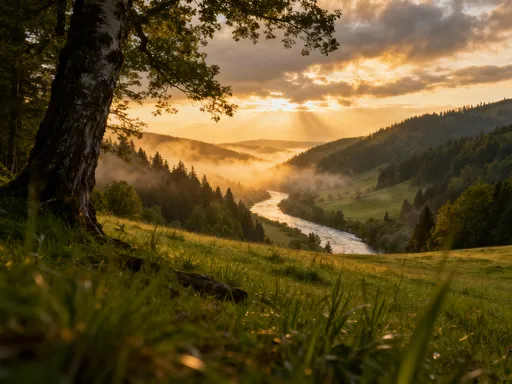
The park’s landscape is shaped by glacial history, with U-shaped valleys, glacial lakes, and exposed rock formations carved by ice over millennia. Dominating the forest are lenga beech trees, their trunks twisted and gnarled by time and weather, standing like ancient sentinels. In autumn, their leaves turn golden and crimson, painting the hillsides in vibrant hues. Beneath them, mosses and lichens thrive in the damp understory, creating a carpet of green that muffles footsteps and absorbs sound.
What makes this place extraordinary is not just its beauty but its ecological significance. As a protected area, Tierra del Fuego National Park safeguards a fragile subantarctic ecosystem that has evolved in isolation. It is home to species that have adapted to extreme conditions—short growing seasons, high rainfall, and strong winds. Conservation efforts focus on preserving native flora, controlling invasive species, and monitoring the impact of climate change. Every tree, every stream, every birdcall is part of a delicate balance that has endured for centuries.
For the visitor, entering the park is an emotional experience as much as a physical one. There is a sense of humility in standing among trees that have lived for hundreds of years, in walking where few have left footprints. The vastness of the landscape invites introspection. The silence is not empty but full—of presence, of history, of life unfolding at its own pace. This is not a place to conquer or photograph and leave. It is a place to enter slowly, with respect, and allow its stillness to settle into your bones.
On the Trails: Hiking Through Pristine Landscapes
The trail network within Tierra del Fuego National Park offers routes for all levels, from short interpretive walks to full-day hikes. Among the most popular is the path to the Pipo River Cascade, a gentle 3-kilometer loop that winds through lenga forest and crosses wooden footbridges over clear, rushing streams. The sound of water is constant here—babbling brooks, distant waterfalls, the soft drip of condensation from leaves. Sunlight filters through the trees in golden shafts, illuminating patches of moss and ferns. Every few meters, a new detail emerges: a cluster of wild berries, a bird flitting between branches, the smooth curve of a river-worn stone.
Another favored route is the Senda Costera, or Coastal Path, which follows the northern shore of Lapataia Bay. This trail offers a different perspective—one where forest meets water in a dramatic embrace. To the south, the Beagle Channel stretches toward the horizon, dotted with small islands and often crossed by boats heading deeper into the archipelago. To the north, the forest rises steeply, cloaked in green and shadow. The path is well-marked but never crowded, allowing for solitude even during peak season.
Walking these trails is more than exercise; it is immersion. The rhythm of footsteps on packed earth, the cool air on the skin, the occasional crunch of gravel underfoot—all contribute to a deepening awareness of the present moment. Distractions fade. Thoughts slow. Time feels different here, not measured in minutes but in breaths, in the rustle of leaves, in the arc of a bird’s flight across the sky.
Sensory details define the experience. The smell of damp bark after a light rain. The chill of mountain air, even in midsummer. The distant cry of a Magellanic woodpecker. The way sunlight dances on the surface of a glacial lake, turning it into liquid silver. These are not just observations—they are invitations to reconnect with a world that operates on its own terms, untouched by schedules or screens. The trails do not lead to a single destination but to a state of being: present, aware, alive.
The Beagle Channel Coastline: Where Land Meets Wild Water
At the southern edge of the park, the land falls away to meet the Beagle Channel, a deep waterway that cuts through the archipelago and connects the Atlantic and Pacific Oceans. This coastline is rugged and wild, shaped by wind, waves, and ice. Rocky shores give way to pebble beaches, where driftwood lies scattered like forgotten relics. The water is cold and clear, its surface constantly shifting with currents and tides. On calm days, the reflections of snowcapped peaks shimmer in the channel; on stormy ones, waves crash with a force that resonates through the ground.
From vantage points like Ensenada Bay or the end of the Senda Costera, visitors can take in panoramic views of the channel and its islands. Some are forested, others bare and windswept. Boats pass in the distance, their wakes fanning out behind them. To the south, the Chilean coastline rises in the haze, a reminder of the region’s vastness and complexity. The Beagle Channel is not just a geographic feature—it is a living corridor, home to marine life and a vital route for both wildlife and human travel.
Near Lapataia Bay, a historic marker stands as a tribute to the Southern Fuegian Railway, once used to transport timber from the forests to the prison in Ushuaia. Today, a restored section of the narrow-gauge train runs as a tourist attraction, offering a nostalgic journey through the same landscape. Known as the “End of the World Train,” it provides access to remote parts of the park and a glimpse into the region’s past. Riding it is not just a novelty but a way to appreciate how difficult life was in this harsh environment a century ago.
Standing at the edge of the Beagle Channel, one cannot help but feel the symbolic weight of this place. It is a boundary—between land and sea, between continents, between the known and the unknown. For many, it represents the ultimate southern frontier, a place where the world feels both vast and intimate. The wind carries salt and pine. The water stretches endlessly. And in that moment, standing on a rocky shore with the wild before you, there is a quiet understanding: this is where the map ends, and the soul begins.
Wildlife Encounters: Seeing Nature in Its Natural State
The Tierra del Fuego National Park is home to a range of wildlife adapted to the subantarctic climate. While large mammals are elusive, sightings of native species are not uncommon. Guanacos, slender camelids related to llamas, sometimes graze in open meadows near the park’s edges. Their rust-colored coats stand out against the green, and their quiet movements convey a sense of calm alertness. They are wild and cautious, never approaching humans, but their presence is a reminder of the region’s natural heritage.
Birdlife is more visible. The austral parakeet, one of the southernmost parrot species in the world, flits through the trees in small flocks, its green feathers flashing in the sunlight. Its high-pitched calls add a lively note to the forest’s quiet. The Magellanic woodpecker, with its striking black-and-white plumage and red crest, drums on dead trees in search of insects. And high above, the Andean condor—a massive bird with a wingspan exceeding three meters—soars on thermal currents, circling silently over the valleys and coast.
Spotting a condor is a rare and humbling experience. These birds are not common, and seeing one in flight feels like witnessing a relic of another time. They play a crucial role in the ecosystem as scavengers, helping to maintain balance in the food chain. Their presence indicates a healthy environment, one where natural processes are still intact. Park rangers and conservationists monitor condor populations closely, working to protect their habitat and ensure their survival.
Other animals, like the South American gray fox, are more secretive, appearing only at dawn or dusk. Their tracks may be seen in soft soil, but the animals themselves remain hidden. This elusiveness is part of the park’s charm—wildlife is not on display but living freely, on its own terms. Visitors are encouraged to observe quietly, from a distance, without disturbing the animals or their habitat. Feeding wildlife is strictly prohibited, as it disrupts natural behaviors and can harm both animals and ecosystems.
Responsible wildlife observation means patience, silence, and respect. It means using binoculars instead of approaching too closely. It means leaving no trace and making no noise. When done right, it becomes a form of communion—a moment of shared space between human and animal, both temporary visitors in a landscape that belongs to no one and to everyone at once.
Beyond the Park: Other Protected Areas Near Ushuaia
While Tierra del Fuego National Park is the most well-known protected area near Ushuaia, it is not the only one. The region is dotted with conservation zones that offer equally profound experiences, often with fewer visitors. The Martial Mountains Reserve, located just outside the city, provides access to higher elevation trails with panoramic views of Ushuaia and the Beagle Channel. The ascent is steeper than the park’s forest paths, but the reward is a sweeping vista that stretches for miles, especially beautiful at sunrise or sunset.
Bahía Lapataia, at the very end of Route 3 and within the national park, is another significant site. It marks the southern terminus of the Pan-American Highway and is protected for its ecological and historical value. The bay’s sheltered waters and surrounding forests create a quiet haven for birds and marine life. Interpretive signs along the trail explain the area’s natural history and the importance of preserving its fragile ecosystem.
Other lesser-known areas, such as the Lago Fagnano region to the north, offer opportunities for more remote exploration. These zones are often accessed through guided eco-tours, which ensure minimal impact on the environment while providing expert knowledge about the landscape and wildlife. Some tours include kayaking on glacial lakes, trekking through untouched forests, or visiting peat bogs that store carbon and support unique plant species.
For travelers seeking solitude and deeper connection, these areas provide alternatives to the more frequented trails. They require a bit more planning and often involve guided visits, but the rewards are worth it. The air is quieter. The forests feel older. The sense of discovery is stronger. Visiting these places responsibly means following local regulations, staying on marked paths, and choosing operators committed to sustainability. It also means understanding that protection is not just the job of park rangers but of every visitor who enters with care and intention.
How to Visit Responsibly: Protecting What Makes Ushuaia Special
The beauty and integrity of Ushuaia’s protected areas depend on responsible tourism. These environments are fragile, shaped by centuries of natural processes and vulnerable to human impact. Every footprint, every piece of litter, every loud noise has consequences. That is why visitors must adopt eco-friendly practices to ensure these lands remain wild for future generations.
The most fundamental rule is to stay on marked trails. Straying off-path can damage delicate vegetation, disturb wildlife, and accelerate soil erosion. The wooden footbridges and boardwalks in the park are designed to protect both visitors and the environment—using them is not optional but essential. Similarly, packing out all waste, including food scraps and biodegradable items, helps maintain the park’s cleanliness and prevents animals from becoming dependent on human food.
Other important practices include avoiding loud noises, refraining from picking plants or disturbing rocks, and never lighting fires outside designated areas. Camping is permitted only in official sites, and open fires are prohibited due to the risk of wildfires in the dry forest. These rules are not arbitrary—they are based on scientific research and years of conservation experience.
Travelers can also support preservation by choosing certified eco-tours and purchasing park entrance fees, which fund maintenance and protection efforts. Local guides provide valuable knowledge about the ecosystem and help ensure visits are low-impact. Supporting local businesses that prioritize sustainability—such as eco-lodges, responsible tour operators, and conservation-focused nonprofits—further strengthens the community’s commitment to environmental stewardship.
True immersion in nature means leaving no trace. It means moving through the landscape with humility and gratitude, recognizing that we are guests in a world that does not belong to us. When done with care, travel becomes not just a personal journey but a contribution to something greater—the ongoing protection of one of Earth’s last wild places.
Conclusion: A Return to What Matters
Time spent in Tierra del Fuego National Park offers more than scenic views or photo opportunities. It offers perspective. In the silence of the forest, the rush of a glacial stream, the sight of a condor circling above, there is a quiet reminder of what it means to be alive. The pace of nature slows us down, strips away distractions, and reconnects us to something fundamental—the rhythm of the earth, the breath of the wind, the pulse of life in its purest form.
This is not tourism as checklist or conquest. It is travel as transformation. It invites us to move beyond sightseeing and into presence. To listen. To observe. To feel. And in that feeling, to remember our place within the natural world, not above it but within it.
Ushuaia and its protected reserves are not just destinations. They are teachers. They show us the value of stillness, the strength of resilience, and the beauty of balance. They remind us that some places must remain wild—not for our convenience, but for our soul.
For those willing to step off the beaten path, to breathe deeply and walk gently, the rewards are immeasurable. In the untamed silence of the southern wilderness, the world speaks in a language older than words. And if we listen closely, we may just hear the echo of our own true nature.