You Won’t Believe What I Found in Odense – This Changes Everything
Odense, Denmark’s third-largest city, is often seen just as Hans Christian Andersen’s birthplace. But there’s way more beneath the surface. I went with low expectations and left mind-blown by how much authenticity and charm this underrated gem holds. Forget cookie-cutter tours and tourist traps—this is about seeing Odense through a local lens, spotting the hidden angles, and avoiding the common mistakes most travelers make without even realizing it. The city breathes history, innovation, and a quiet kind of beauty that reveals itself only when you slow down. What I discovered wasn’t just a different side of Odense—it was a completely different way to travel.
Why Odense Deserves More Than a Day Trip
While many visitors squeeze Odense into a rushed itinerary between Copenhagen and Aarhus, the city’s true depth unfolds only when given time. Far from being just a tribute to its most famous son, Hans Christian Andersen, Odense is a living, evolving urban center with a layered identity. It was once a medieval religious hub, home to Sankt Knud’s Abbey and a key stop on pilgrimage routes. Today, it stands as a leader in Denmark’s green transition, hosting research centers focused on robotics, renewable energy, and sustainable urban planning. The city’s blend of old-world charm and forward-thinking initiatives makes it a quiet pioneer in Nordic innovation.
The misconception that Odense is “just a museum town” stems from its strong cultural branding around Andersen. While his childhood home, the museum, and the fairy-tale-themed park are well-maintained and worth visiting, they represent only a fraction of what the city offers. Reducing Odense to a single narrative overlooks its vibrant street art scene, its thriving local food markets, and its active role in Denmark’s circular economy. For instance, the city has implemented ambitious waste-to-energy programs and promotes car-free zones long before they became common in other Danish cities. This commitment to sustainability isn’t performative—it’s embedded in daily life.
Shifting your mindset from “quick cultural stop” to “authentic urban experience” changes everything. When you approach Odense as a place where tradition and progress coexist, you begin to notice the subtle details: solar panels discreetly integrated into historic rooftops, community gardens tucked behind 18th-century facades, and residents commuting by cargo bike with children and groceries in tow. These are not staged for tourists; they reflect real Danish values. By recognizing Odense as both a keeper of heritage and a driver of change, travelers gain a richer, more meaningful understanding of modern Denmark.
The Tourist Traps You’re Probably Falling For
Like many European cities with a famous cultural association, Odense has its share of overhyped attractions that promise charm but often deliver disappointment. The most common trap is spending too much time in the overly curated Hans Christian Andersen Museum complex, particularly the modern wing, which, while architecturally interesting, can feel detached from the city’s actual spirit. Many guided tours focus exclusively on fairy tales and birthplace narratives, skipping entirely the neighborhoods where real life unfolds. These tours often move in tight groups, follow rigid scripts, and rarely interact with locals—ironic, given Andersen’s own fascination with everyday people.
Another pitfall is dining in the restaurants surrounding City Hall Square and the main shopping streets. While convenient, these establishments cater almost entirely to tourists, serving reheated versions of Danish classics at inflated prices. A plate of stegt flæsk (crispy pork belly with potatoes and parsley sauce), which should be rich and deeply savory, often arrives lukewarm and undersalted. The coffee, too, is frequently mass-produced, lacking the care found in smaller, independent cafes just a few blocks away. These venues rely on foot traffic, not reputation, which means quality takes a backseat to volume.
The “postcard problem” is another issue—where travelers chase perfectly framed images of half-timbered houses and flower boxes without engaging with the reality behind them. These scenes are real, yes, but they represent a selective, polished version of Odense. The city’s true character lies in the weathered paint on back-alley shutters, the laundry hanging from upper-floor balconies, and the elderly couple sharing a bench in a quiet park. When tourism focuses only on the picturesque, it misses the soul of the place. Avoiding these traps doesn’t mean rejecting the famous sites altogether—it means balancing them with genuine, unscripted moments.
Best Time to Visit for a Real Experience
Timing can make or break your experience in Odense. Summer, particularly June and July, brings the longest days and the most events, including the lively Småkongernes Land festival, which transforms parts of the city into interactive play zones for children, and the Grøn Koncert, a popular open-air music tour that draws large crowds. While these events showcase local energy, they also bring packed streets and limited availability in accommodations. For travelers seeking immersion over spectacle, the shoulder seasons—late April to early June and September to early October—offer the ideal balance.
Spring in Odense is especially enchanting. Cherry blossoms line the canals, gardens begin to bloom, and the city wakes up from its winter quiet. Temperatures are mild, rarely exceeding 18°C (64°F), and the light has a soft, golden quality in the late afternoon. With fewer tourists, you’re more likely to strike up a conversation with a local at a bakery or find an empty bench by the water. Autumn offers a similar advantage, with crisp air, falling leaves, and a cozy atmosphere in cafes. Daylight hours are shorter, but the city’s warm street lighting and indoor cultural offerings—museums, concerts, and craft fairs—compensate beautifully.
Weather patterns in Odense are generally stable, with moderate rainfall spread throughout the year. Sudden downpours are possible, so a lightweight waterproof jacket is always advisable. The city’s compact size means you can easily duck into a museum, café, or covered market if the skies open up. For those who prefer solitude and deeper connection, visiting during school terms—avoiding Danish holidays like Easter, Whitsun, and autumn break—ensures quieter streets and more authentic interactions. The best experiences often come not from perfect weather, but from being present when the city is simply being itself.
Hidden Corners Only Locals Know
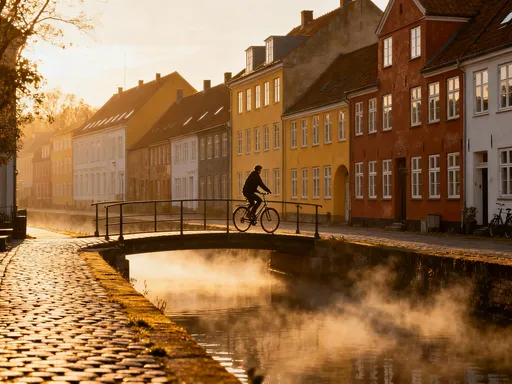
Beyond the postcard-perfect streets of the historic center lie quiet neighborhoods and overlooked spots that reveal Odense’s quieter, more personal side. One such place is the network of canals near Sankt Knuds Church, where swans glide past centuries-old warehouses turned into art studios and microbreweries. These waterways, part of the Odense River’s path through the city, are rarely featured on tourist maps but are beloved by locals for morning walks and evening strolls. The reflections of gabled houses on the still water create a sense of timelessness that feels worlds away from the nearby shopping district.
Neighborhoods like Fredericia Kvarter and Bertel Bangs Vej are equally rewarding. Fredericia Kvarter, once an industrial zone, has been transformed into a mixed-use area with repurposed brick buildings housing design shops, yoga studios, and intimate restaurants. It’s the kind of place where you might stumble upon a pop-up ceramics exhibition or a weekend flea market in a converted factory. Bertel Bangs Vej, named after a beloved Danish author, is a residential street with colorful houses, small front gardens, and a strong sense of community. Locals gather at the neighborhood playground or the small grocery that stocks regional cheeses and freshly baked rye bread.
Among the most cherished local haunts are the independent cafes and bakeries tucked into side streets. Places like Atelier Sechs and Kaffebønnerne offer hand-roasted coffee, homemade pastries, and a relaxed pace that invites lingering. These spots are rarely crowded, not because they’re hidden, but because they’re simply part of daily life. Walking slowly through these areas—pausing to admire a painted door, a cat in a window, or the sound of a piano from an open window—allows the city to reveal itself in fragments. It’s in these unplanned moments that Odense becomes more than a destination; it becomes a feeling.
How to Move Like a Local, Not a Tourist
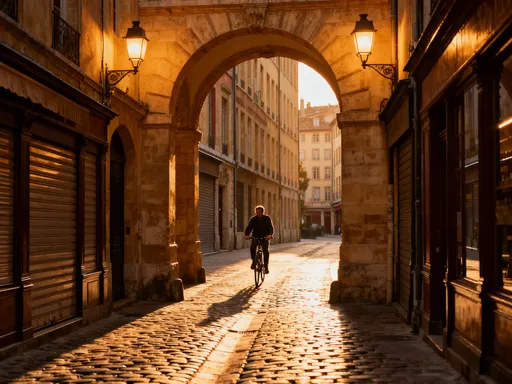
One of the most effective ways to experience Odense authentically is to move through it like a resident. And in Denmark, that means cycling. Odense has an extensive network of dedicated bike lanes, clearly marked and well-maintained, making it one of the most bike-friendly cities in Europe. Locals of all ages ride to work, school, and the grocery store, often in regular clothes and without helmets. Renting a bike isn’t just practical—it’s a cultural immersion. Several rental shops offer sturdy, comfortable bikes with maps and suggested routes, including a popular path that follows the river from the city center to the Odense Zoo and beyond.
Understanding local biking etiquette is key. Danes ride predictably, signal with hand gestures, and respect traffic rules. Pedestrians have right of way on shared paths, and cyclists are expected to ring a bell when passing. Moving at a steady, unhurried pace—rather than racing or stopping abruptly—helps you blend in. The beauty of biking is that it allows access to areas unreachable by car or bus: quiet residential lanes, riverside trails, and hidden parks. It also puts you at eye level with daily life, whether it’s a child learning to ride or a delivery person balancing a stack of packages on a cargo bike.
For those who prefer public transit, Odense’s bus system is efficient and punctual. Most routes are covered by the national DOT ticketing system, which can be managed through a mobile app. Real-time tracking is available, reducing wait times and confusion. While buses are reliable, they don’t always reach the more scenic or offbeat areas. That’s where walking comes in. Simply putting one foot in front of the other, without a strict itinerary, often leads to the most memorable discoveries. Dressing in neutral, functional clothing—think layered knits, waterproof shoes, and a crossbody bag—also helps you move unnoticed, allowing you to observe rather than stand out.
Eating & Drinking Without the Regret
Danish cuisine is often reduced to smørrebrød—open-faced sandwiches—but Odense offers a deeper culinary tradition that rewards exploration. Dishes like stegt flæsk med persillesovs (crispy pork with parsley sauce) and rødgrød med fløde (a berry pudding with cream) are regional staples that speak to Denmark’s agricultural roots. The best versions are found not in tourist-facing restaurants, but in family-run eateries and local canteens. Places like Restaurant Prior and Høst & Halm focus on seasonal, organic ingredients sourced from nearby farms, offering modern interpretations of classic dishes with integrity and care.
For a truly authentic meal, visit one of the city’s weekly food markets, such as the Tuesday market at Sankt Knuds Torv or the Saturday organic market near the train station. Here, you’ll find artisanal cheeses, freshly caught fish, homemade jams, and bread baked in wood-fired ovens. Vendors are happy to share stories about their products, and many offer samples. Eating at these markets isn’t just about taste—it’s about connection. You might learn how a particular cheese is aged in a nearby village or why certain berries are only available in late summer.
Avoiding overpriced “tourist-friendly” restaurants means stepping away from the main squares and following the locals. Look for places with Danish-language menus, handwritten chalkboards, and a mix of age groups at the tables. These are strong indicators of authenticity. For coffee and casual bites, small roasteries and neighborhood bakeries are ideal. Many serve traditional Danish pastries like wienerbrød and kanelsnegle (cinnamon snails) alongside international options. Craft beer is also thriving in Odense, with microbreweries like Odense Bryghus offering tastings and tours in a relaxed, unpretentious setting. Sharing a flight with a local can lead to one of the most rewarding conversations of your trip.
The Best Perspective: Slowing Down to See More
In a world of fast travel and curated feeds, Odense teaches the value of slowness. Rushing through its streets to “see everything” means missing the essence of the place. The city’s magic lies in its quiet rhythms: the way sunlight hits a red tile roof in the late afternoon, the sound of church bells echoing over the river, the sight of a grandmother watering geraniums in a window box. These moments don’t announce themselves—they reveal themselves to those who are present.
Slowing down means allowing yourself to get slightly lost, to sit on a bench without checking your phone, to watch people go about their lives. It means noticing the small details: the pattern of cobblestones, the color of house doors (often bright blue, green, or yellow), the way ivy climbs an old stone wall. These are the textures of everyday Danish life. When you stop treating travel as a checklist and start experiencing it as a sensory journey, Odense transforms from a destination into a companion.
Connection with locals often begins with simple gestures—a smile, a thank you in Danish (“tak”), or a comment on the weather. Danes are not known for effusiveness, but they appreciate sincerity. A genuine question about a local tradition or a compliment on a garden can open doors. These interactions, brief as they may be, add depth to your visit. They remind you that travel isn’t just about seeing new places, but about expanding your understanding of how others live.
Ultimately, the best perspective isn’t gained from a high vantage point or a famous landmark. It’s cultivated through patience, curiosity, and respect. Odense doesn’t demand attention; it offers it quietly, to those willing to listen. When you slow down, you don’t just see more—you feel more. And that changes everything.
Odense isn’t about grand landmarks or Instagram hype. It’s about subtlety, charm, and the quiet moments that stay with you. By avoiding the obvious pitfalls and embracing a slower, more thoughtful approach, you don’t just visit Odense—you feel it. This city rewards those who look closer, stay longer, and travel with intention. The best view isn’t from a viewpoint. It’s from within.