Montreal Unfiltered: The View Most Tourists Miss (And Why You Shouldn’t)
Stepping into Montreal feels like flipping through the pages of a living storybook—where cobblestone alleys whisper history and modern cafés buzz with joie de vivre. But here’s the real talk: not all perspectives are created equal. I’ve seen travelers rush to the obvious spots, only to miss the soul of the city. This isn’t just about sightseeing—it’s about seeing right. Let me show you how to avoid the usual traps and find the angles that make Montreal truly shine. With its blend of European elegance and North American energy, Montreal invites deeper exploration. The magic isn’t just in the landmarks, but in the moments between them—the scent of fresh bagels at dawn, the murmur of French poetry in a hidden courtyard, the warmth of a local’s smile when you greet them properly. For the thoughtful traveler, especially those seeking meaningful experiences over photo ops, Montreal offers a quiet promise: look closer, and the city will reveal itself.
The Postcard Trap: Why Most Visitors Get Montreal Wrong
It’s easy to fall into the rhythm of the typical tourist trail. Old Montreal’s cobbled streets, the towering spires of Notre-Dame Basilica, the bustling ferries along the St. Lawrence—these are the images that grace travel brochures and Instagram feeds. And yes, they are beautiful. But beauty alone does not reveal a city’s soul. The danger lies in mistaking the postcard for the place. Too many visitors arrive with a checklist and leave with little more than snapshots, having skimmed the surface of a deeply layered metropolis. They stand in long lines for photo opportunities already taken a thousand times, unaware that just a few blocks away, real life unfolds in vivid color and texture.
The issue isn’t the attractions themselves, but the mindset they encourage—a passive consumption of sights rather than an active engagement with culture. When travelers focus only on the most photographed spots, they often miss the nuances that define Montreal: its linguistic duality, its artistic resilience, its quiet neighborhoods where generations have lived, worked, and celebrated. These are not backdrops; they are the foundation. The city’s identity is not monolithic. It shifts from street to street, from accent to accent, from café to community center. To experience Montreal fully is to embrace its contradictions: a French-speaking city in an English-majority country, a winter-hardened urban landscape that blooms with summer festivals, a place where tradition and innovation coexist in harmony.
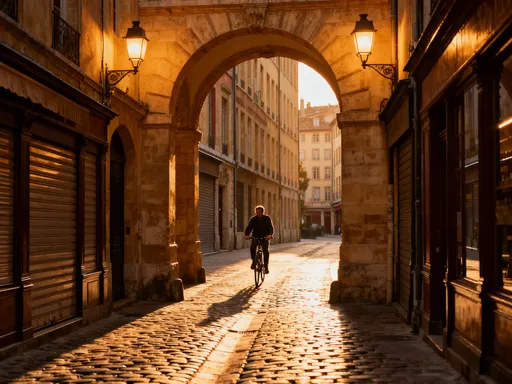
What most tourists overlook is that authenticity isn’t hidden—it’s simply unadvertised. You won’t find it by following the crowd, but by stepping slightly off the path. The solution isn’t to avoid Old Montreal altogether, but to approach it with intention. Visit early in the morning when the tour groups haven’t arrived, when the light slants softly across the stone facades and shopkeepers are just unlocking their doors. Listen to the language drifting from open windows, watch the baker pull steaming loaves from the oven, feel the cool morning air off the river. These are the moments that transform a visit into a connection. Montreal rewards patience and curiosity. The more you resist the urge to rush, the more the city reveals.
Elevated Perspectives: Finding the City’s True Vantage Points
Most visitors head straight to the top of Mount Royal for the classic panoramic view. And yes, the vista from the Chalet is impressive—the city sprawled beneath, the cross glowing in the distance, the St. Lawrence snaking toward the horizon. But that view comes with a cost: crowds, noise, and a sense of detachment. You’re not experiencing the city; you’re observing it from a distance, like a spectator at a play. The real magic happens when you trade the main lookout for quieter, less-trodden paths. Just a short walk from the crowded summit, trails wind through pine-scented woods, opening onto secluded clearings where the only sounds are birdsong and the rustle of leaves. These hidden vantage points offer more than scenery—they offer stillness, a chance to absorb the city’s rhythm without distraction.
One such spot is the Kondiaronk Belvedere, nestled on the northern slope of the mountain. Few tourists make the short hike down, but those who do are rewarded with an uninterrupted view of downtown, framed by treetops and softened by morning mist. Arrive at sunrise, and you’ll witness the city waking up—the first lights flickering on in office towers, the metro trains beginning their rounds, the distant hum of life gaining momentum. It’s a moment of quiet awe, far removed from the selfie sticks and tour guides. Similarly, the slopes near Outremont offer intimate overlooks where you can sit on a bench with a thermos of coffee and watch the day unfold at a human pace.
But elevation isn’t just about height—it’s about perspective. Sometimes, the best views come not from above, but from within. Climb the steps of a quiet residential street in Westmount, or wander the alleys behind the Jean-Talon Market, and you’ll see the city from the eyes of those who live here. Laundry flaps on balconies, children ride bikes in the alley, neighbors chat over garden fences. These are the views that postcards ignore, but they are the ones that stay with you. Montreal’s true skyline isn’t just glass and steel—it’s the rooftops of century-old row houses, the spires of neighborhood churches, the murals that climb the sides of forgotten buildings. To see the city fully, you must move through it slowly, letting your gaze drift from the grand to the everyday.
Neighborhoods That Tell the Real Story: Beyond the Tourist Map
If Montreal were a novel, its chapters would be written in neighborhoods. Each district has its own voice, its own rhythm, its own story. Yet many visitors never venture beyond the well-marked tourist zones, missing the rich tapestry that makes this city extraordinary. The Plateau Mont-Royal, for instance, is more than colorful staircases and bistros—it’s a living archive of Montreal’s cultural evolution. Here, French and English blend in conversation, art spills from galleries onto sidewalks, and the pace of life feels both relaxed and creative. Walk down Rue Saint-Denis in the late afternoon, and you’ll see families at outdoor cafés, musicians tuning up in parks, and shopkeepers arranging displays of local goods. This is not performance; it’s daily life, and it’s deeply inviting.
Mile End, just north of the Plateau, is another neighborhood that defies the tourist script. Known for its Jewish heritage and artistic community, it’s a place where bagels are a point of pride and debate. Locals will tell you—often passionately—whether St-Viateur or Fairmount makes the better bagel. The truth is, both are excellent, but the real joy is in the ritual: waking early, joining the line, feeling the warmth of the freshly baked bread, and eating it on a nearby bench with nothing but cream cheese and conversation. This is food as culture, not commodity. And it’s not just about bagels—Mile End is dotted with independent bookstores, vintage shops, and cozy cafés where writers and musicians gather to work and dream.
Further east, the neighborhood of Hochelaga-Maisonneuve offers a different kind of authenticity. Less polished, more raw, it’s a place of resilience and community. Murals here are not just decoration—they’re statements. Painted across entire building facades, they speak of social justice, environmental awareness, and cultural pride. Walking through this area, you feel the pulse of a city that cares deeply about its values. At the Marché Maisonneuve, farmers sell produce grown in nearby towns, artisans display handmade goods, and children run between stalls. There’s no pretense, no performance—just real people living real lives. For the thoughtful traveler, these neighborhoods are not side trips; they are the heart of the journey.
Timing Is Everything: When to Go and When to Pause
Montreal transforms with the seasons, and each time of year offers a different face of the city. Summer is vibrant—festivals fill the streets, patios buzz with conversation, and the riverfront comes alive with cyclists and joggers. The Jazz Festival, Just for Laughs, Osheaga—these events draw crowds from around the world, and for good reason. But that energy comes at a price: packed sidewalks, long lines, and higher prices. The key to enjoying summer in Montreal is not to avoid the festivals, but to navigate them wisely. Visit major venues early in the day, when lines are short and the air is cool. Explore indoor museums and galleries in the afternoon, when outdoor spaces are busiest. And don’t overlook weekday evenings—many events have lighter attendance midweek, allowing for a more relaxed experience.
Winter, on the other hand, is often misunderstood. Many assume Montreal shuts down when the snow falls, but the truth is quite the opposite. The city embraces the cold with festivals of light, outdoor skating rinks, and cozy indoor gatherings. The Montréal en Lumière festival turns the downtown core into a glowing wonderland, with illuminated installations and gourmet food tents. The ice-skating path along the Old Port offers a magical way to see the city, especially at dusk when the lights reflect off the frozen river. And yes, it’s cold—but with the right clothing, winter becomes not a barrier, but a gateway to a different kind of beauty. Locals dress in layers, wear warm boots, and move with purpose. Visitors who do the same discover a city that is not hibernating, but thriving in its own quiet way.
Spring and fall offer a sweet spot—mild temperatures, fewer tourists, and a sense of renewal. April brings the first signs of green, while October paints the city in gold and red. These shoulder seasons are ideal for walking tours, museum visits, and café hopping without the pressure of peak-season crowds. The key is flexibility. Rather than sticking to a rigid itinerary, allow room for spontaneity. If it’s raining, visit the Biodôme or the Pointe-à-Callière Museum. If it’s sunny, grab a picnic and head to Jean-Drapeau Park. Montreal rewards those who listen to its rhythm and adapt accordingly.
Language & Local Etiquette: Navigating Montreal with Respect
In Montreal, language is not just a tool—it’s a marker of identity. French is the official language, and while most residents speak English fluently, the effort to use French, even in small ways, is deeply appreciated. A simple Bonjour when entering a shop or café can open doors that might otherwise stay closed. It’s not about perfection; it’s about respect. Locals understand that visitors may struggle with pronunciation, but the attempt itself signals goodwill. Avoid the habit—common in some cities—of immediately switching to English when met with a French greeting. Instead, respond in kind, even if it’s just a smile and a Merci. These small gestures build bridges.
Etiquette extends beyond language. In cafés, rushing the server is considered rude. Meals are meant to be savored, conversations linger, and service is paced accordingly. Tipping follows North American norms—15 to 20 percent—but the expectation is not as rigid as in some cities. What matters more is demeanor: politeness, patience, and a willingness to slow down. In shops and markets, bargaining is not customary, but friendly conversation is expected. A brief exchange about the weather or the quality of the produce is not small talk—it’s part of the social fabric.
Understanding these nuances allows visitors to blend in rather than stand out. It’s not about becoming a local, but about showing that you value their way of life. When you speak a few words of French, when you linger over a coffee, when you listen more than you speak, you signal that you’re not just passing through—you’re paying attention. And in a city that treasures its culture, that attention is reciprocated with warmth and openness.
Transport Hacks: Moving Like a Local, Not a Lost Tourist
Montreal’s public transit system, operated by the STM, is efficient, affordable, and extensive. The metro, with its clean stations and frequent service, connects all major neighborhoods. But for first-time visitors, the system can seem confusing—signage is primarily in French, zone-based fares apply to buses and trains outside the island, and the layout of lines isn’t always intuitive. The key to mastering it is preparation. Before arrival, download the official STM app, which provides real-time schedules, route planning, and service alerts. Purchase an OPUS card at any metro station and load it with a weekly or monthly pass if staying more than a few days. This eliminates the need to buy tickets each time and ensures seamless transfers.
Walking is another excellent way to experience the city. Montreal is surprisingly walkable, especially in the central districts. The flat terrain of downtown and the Plateau makes strolling pleasant, and sidewalks are well-maintained. When possible, choose walking over transit—it allows you to notice details you’d miss otherwise: a mural around a corner, the scent of roasting coffee, the sound of a street musician. For longer distances, biking is a fantastic option. The city’s BIXI bike-share program offers stations throughout downtown and along the Lachine Canal, where a dedicated path provides a scenic, car-free route. Cycling along the water, with views of the skyline and passing freighters, is far more engaging than a crowded tour bus.
To avoid the rush, plan travel outside peak commute hours—between 7:00–9:00 a.m. and 5:00–7:00 p.m. Metro cars are less crowded, and stations are easier to navigate. If you must travel during these times, allow extra time and stand near the middle of the platform, where cars are often less full. And remember: escalators are for standing on the right, walking on the left—a small rule, but one locals follow closely. Respecting these norms makes your journey smoother and shows that you’re making an effort to adapt.
Curating Your Own Montreal: Building a Personalized Experience
The most memorable trips are not those that follow a script, but those that respond to curiosity. Montreal is not a city to be checked off a list—it’s one to be felt, explored, and interpreted. Instead of chasing landmarks, consider building your visit around a theme: architecture, food, music, or street life. Are you drawn to art nouveau buildings? Spend a day in Outremont or Westmount, where early 20th-century homes showcase intricate stonework and stained glass. Do you love food? Design a self-guided tour of Montreal’s culinary highlights—bagels in Mile End, smoked meat in the Quartier des Spectacles, poutine at a late-night diner. Let your interests guide you, not a guidebook.
Spontaneity is just as important as planning. Some of the best moments in Montreal happen by accident: stumbling upon a pop-up market, hearing jazz drift from a basement club, finding a quiet park bench with a perfect view of the river. Allow space in your schedule for these discoveries. Don’t overbook. Leave room to linger, to sit, to watch. Bring a notebook or journal and record your impressions—not just what you saw, but how it made you feel. These reflections become the real souvenirs.
For many travelers, especially women in their 30s to 50s who value meaningful connection and personal growth, Montreal offers a rare blend of beauty and depth. It’s a city that welcomes introspection, that rewards patience, that thrives on human warmth. Whether you’re traveling alone, with a partner, or with family, the goal isn’t to see everything—but to see deeply. Let your journey be guided not by FOMO, but by curiosity. Ask questions. Smile. Say Bonjour. And when you find that quiet moment—on a park bench, in a sunlit café, on a snowy path—know that you’ve found the real Montreal.
Seeing Montreal, Not Just Visiting It
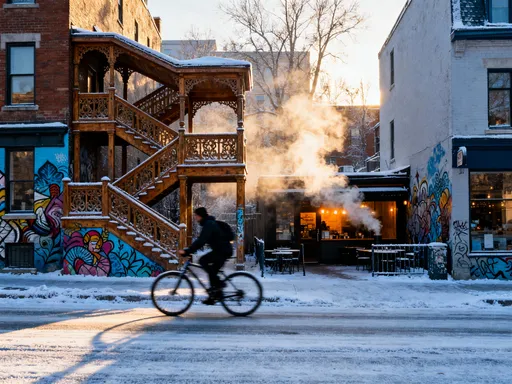
Montreal is not a destination to be conquered, but a place to be experienced. Its true beauty lies not in its skyline or its festivals, but in the quiet moments between them—the steam rising from a manhole cover on a winter morning, the laughter from a backyard barbecue in the Plateau, the way light filters through the trees in Mount Royal Park. These are the details that stay with you, that shape your memory of the city. The best view of Montreal isn’t from a lookout—it’s from within. It’s in the connections you make, the rhythms you absorb, the small acts of respect and curiosity that open doors.
To see Montreal is to slow down, to look closely, to engage. It’s to move beyond the postcard and into the pulse of daily life. For the traveler who values authenticity, who seeks not just sights but meaning, the city offers a quiet invitation: come closer. Let go of the checklist. Step off the beaten path. Say hello. And when you do, you’ll find that Montreal doesn’t just welcome you—you become part of its story.