Santiago’s Hidden Corners: Where Culture Lives in Every Neighborhood
Wandering through Santiago feels like flipping through the pages of a living storybook—each district writes its own chapter. From the artistic pulse of Bellavista to the quiet elegance of Providencia, the city’s neighborhoods reveal Chilean life in its truest form. I didn’t just visit Santiago; I lived it, block by block. If you're looking to move beyond tourist trails and feel the rhythm of local streets, this journey through Santiago’s city blocks will show you how to travel deeper, smarter, and more authentically.
Beyond the Postcard – Discovering Santiago’s Neighborhood Soul
Santiago is more than a capital city—it is a collection of intimate communities, each with its own identity, history, and heartbeat. To experience Santiago fully is to step away from the central plazas and into the side streets where residents greet one another by name, children play in tree-lined parks, and the scent of freshly baked empanadas drifts from open kitchen windows. This mosaic of neighborhoods offers travelers a rare opportunity: not just to see a place, but to feel it. While guidebooks often spotlight major attractions, the soul of the city lives in its quieter corners—the painted staircases of Bellavista, the ivy-covered courtyards of Lastarria, the sun-dappled avenues of Providencia. These are the spaces where culture isn’t performed; it simply exists.
Exploring Santiago by neighborhood allows for a more meaningful, layered experience. Rather than checking off landmarks, you begin to understand the rhythm of daily life—the morning commute, the afternoon café ritual, the evening stroll known locally as the *paseo*. Each district reflects a different facet of Chilean identity, shaped by immigration, economic shifts, and artistic movements. Centro Histórico carries the weight of colonial history, while Barrio Italia whispers stories of Italian craftsmen who settled here generations ago. Bellavista pulses with youthful creativity, and Vitacura reflects modern prosperity. By moving slowly and intentionally from one block to the next, travelers gain insight not only into the city’s past but also into its evolving present. This kind of travel rewards curiosity, patience, and a willingness to engage with the unfamiliar.
For 30- to 55-year-old women—many of whom travel not only for leisure but for personal enrichment—this approach offers a deeply satisfying way to connect with a destination. There is comfort in structure, yet richness in spontaneity. Santiago’s neighborhoods provide both: safe, walkable zones with clear character, yet enough hidden details to spark delight around every corner. Whether you’re drawn to art, history, food, or simply the pleasure of observing life unfold, the city invites you to slow down and look closer. The real journey begins not when you arrive, but when you decide to truly see.
Centro Histórico: The Beating Heart of the City
The heart of Santiago beats strongest in its historic center, where centuries of history are layered into the very streets. At its core lies the Plaza de Armas, a grand colonial square framed by palm trees, fountains, and elegant 19th-century buildings. This was the city’s original foundation point, established in 1541 by Spanish conquistador Pedro de Valdivia, and today it remains a vibrant hub of activity. Locals pass through on their way to work, street vendors sell handmade crafts, and tourists pause beneath the shade of trees to study maps. The Metropolitan Cathedral, with its neoclassical façade and towering columns, stands as a silent witness to Chile’s spiritual and political evolution. Inside, the quiet reverence contrasts with the bustle outside, offering a moment of reflection amid the urban rhythm.
Surrounding the plaza, the architecture tells a story of resilience and reinvention. Colonial buildings with ornate wooden balconies stand beside modern government offices, creating a visual dialogue between past and present. The National History Museum, housed in a former royal mint, offers exhibits that trace Chile’s journey from indigenous civilizations through independence and into modern democracy. Nearby, the Central Post Office building—a grand structure with a distinctive clock tower—anchors the east side of the square, its elegant design a reminder of a time when correspondence was a central pillar of civic life. These landmarks are not merely preserved relics; they are part of a living urban fabric where history is not confined to museums but woven into daily routines.
In recent years, Centro Histórico has undergone significant revitalization. Once overlooked due to safety concerns, the area now sees increased foot traffic, improved lighting, and renewed cultural programming. Street art has transformed blank walls into open-air galleries, and restored buildings now house boutique hotels, artisan shops, and contemporary art spaces. For visitors, this means a more welcoming environment—especially during daylight hours. Mornings are ideal for exploration, when the light is soft and the streets are filled with purposeful movement. The nearby Mercado Central, a wrought-iron structure dating back to 1872, offers a sensory feast of seafood, spices, and traditional dishes like *cazuela* and *pastel de jaiba*. Though it draws many tourists, the market remains a working space where chefs and families shop side by side.
While the center is increasingly accessible, it’s wise to remain mindful of surroundings, particularly after dark. Like many historic downtowns in large cities, certain blocks are best avoided at night. However, this should not deter thoughtful travelers. With basic precautions—staying in well-lit areas, using reputable transportation, and traveling in pairs when possible—visitors can safely enjoy the area’s depth and character. The rewards are worth the care: a chance to walk where Santiago began, to stand in the shadow of buildings that have witnessed revolutions and celebrations, and to feel the pulse of a city that honors its past while moving forward.
Bellavista: Bohemian Vibes and Creative Energy
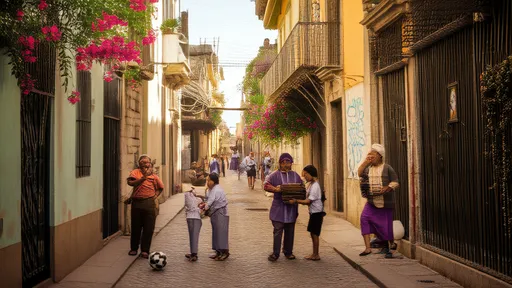
If Centro Histórico is Santiago’s historical spine, Bellavista is its creative soul. Nestled at the foot of Cerro San Cristóbal, this neighborhood radiates artistic energy, from its rainbow-painted houses to its buzzing nightlife and open-air murals. Long a haven for artists, writers, and free thinkers, Bellavista offers a dynamic blend of culture, cuisine, and cosmopolitan charm. Its streets are narrow and winding, inviting slow exploration. Graffiti-covered alleyways lead to hidden patios, where live music spills from underground bars, and the scent of grilled meat mingles with jasmine from climbing vines. This is a place where individuality is celebrated, and the boundaries between public and private space blur in the most delightful ways.
One of Bellavista’s most iconic landmarks is the colorful mosaic staircase leading up to the summit of Cerro San Cristóbal. Created by artist Mario Ybarra, the *Escalera de la Parva* is more than a functional pathway—it is a work of art in itself, adorned with thousands of ceramic tiles in vibrant blues, reds, and yellows. Climbing it offers not only a physical ascent but a symbolic one, from the urban bustle below to the tranquil heights of the Santa Lucía Hill and the panoramic views of the city. At the top, the white statue of the Virgin Mary overlooks Santiago, a serene counterpoint to the neighborhood’s lively spirit. For many visitors, this climb becomes a quiet moment of reflection, a pause in the midst of exploration.
Bellavista is also a destination for food lovers. The neighborhood is home to some of Santiago’s most acclaimed restaurants, ranging from traditional Chilean *fondas* to innovative fusion cuisine. Pueblito de las Artes, a charming cluster of artisan shops and open-air eateries, offers a relaxed setting to sample local flavors while watching street performers and browsing handmade jewelry. Cafés here are social hubs, where friends gather over *onces*—the Chilean afternoon tea ritual—complete with *marraquetas* (crusty bread rolls), avocado, and coffee. Evenings bring a different energy, as bars and *peñas* (folk music venues) come alive with song and laughter. Yet despite its popularity, Bellavista retains a sense of intimacy. Residents still greet one another by name, and children play in small parks while elders sit on benches, observing the world go by.
For the thoughtful traveler, Bellavista offers more than entertainment—it offers connection. The neighborhood’s openness to creativity and expression makes it an ideal place to engage with local culture. Art galleries host rotating exhibitions, many featuring Chilean artists exploring identity, memory, and social change. Street performers, from poets to musicians, invite interaction rather than passive observation. This is not a place to rush through, but to linger in, to allow the atmosphere to settle. Whether sipping wine on a rooftop terrace or chatting with a shop owner about their craft, visitors find themselves drawn into the rhythm of the neighborhood. Bellavista reminds us that culture is not something to be consumed, but something to be shared.
Lastarria: Where Intellectuals and Foodies Gather
Just a short walk from Plaza Baquedano, the Lastarria neighborhood exudes a refined yet relaxed sophistication. Tree-lined streets, colonial-era townhouses, and ivy-covered walls create an atmosphere of quiet elegance. This compact district has long been a favorite among academics, writers, and artists, drawn to its intellectual vibrancy and cultural offerings. The streets are lined with independent bookshops, small theaters, and intimate cafés where conversations about literature, politics, and philosophy unfold over cups of strong coffee. Unlike more tourist-heavy areas, Lastarria maintains a strong local presence, giving visitors a genuine sense of Santiago’s educated, culturally engaged middle class.
One of Lastarria’s defining features is its concentration of cultural institutions. The Centro Cultural Gabriela Mistral, affectionately known as GAM, is a modern arts complex that hosts theater performances, dance recitals, and contemporary art exhibitions. Its bold architecture—glass, steel, and sweeping curves—stands in contrast to the surrounding historic buildings, symbolizing the neighborhood’s ability to blend tradition with innovation. Nearby, the Museum of Contemporary Art, part of the University of Chile, offers free admission and a rotating collection of Chilean and Latin American art. These institutions are not just for tourists; they are actively used by locals, making culture a part of everyday life rather than a special occasion.
Gastronomy in Lastarria is equally refined. The neighborhood boasts some of Santiago’s most respected restaurants, where chefs emphasize seasonal ingredients, Chilean traditions, and culinary precision. From *pastel de choclo* to *chorrillana*, the menu options reflect a deep respect for national flavors while embracing modern techniques. Yet fine dining is balanced by accessibility—many eateries offer *menú del día* (daily specials) at reasonable prices, making it possible to enjoy high-quality meals without extravagance. Cafés are particularly inviting, with outdoor seating that encourages people-watching and conversation. A weekday afternoon in Lastarria might find a university professor grading papers at one table, a couple planning a weekend trip at another, and a group of friends debating the latest novel at a third.
For the 30- to 55-year-old woman traveling with purpose, Lastarria offers a space of intellectual and emotional resonance. It is a place where ideas matter, where art is not decorative but meaningful, and where conversation flows easily. The pace is slower here, more contemplative. A visit to Lastarria is not about ticking off sights, but about soaking in atmosphere—reading a book in a sunlit courtyard, attending a poetry reading, or simply sitting with a notebook and observing the world. It is a reminder that travel can nourish the mind as much as the senses, and that some of the richest experiences come not from grand events, but from quiet moments of connection.
Providencia: Urban Comfort Meets Green Spaces
For travelers seeking a balance between urban convenience and residential calm, Providencia stands out as one of Santiago’s most livable neighborhoods. Wide, tree-lined avenues, well-maintained sidewalks, and abundant green spaces make it ideal for walking, jogging, or simply enjoying a leisurely stroll. Alonso de Córdoba, one of the main thoroughfares, is lined with boutique shops, pharmacies, cafés, and banks—everything a visitor might need within easy reach. The neighborhood feels safe, orderly, and welcoming, with a mix of families, professionals, and retirees contributing to its stable, community-oriented atmosphere.
One of Providencia’s most beloved features is its collection of small plazas and parks. Plaza Baquedano, though often busy with traffic, serves as a gateway to the area, while smaller green spaces like Parque Bustamante and Parque Forestal offer peaceful retreats. These parks are not just decorative; they are actively used by locals for yoga, picnics, and weekend gatherings. On a sunny afternoon, it’s common to see parents pushing strollers, couples reading on benches, and dog walkers enjoying the shade. The presence of nature within the city creates a sense of balance, a reminder that urban life need not be overwhelming.
Shopping in Providencia caters to a range of tastes, from high-end fashion boutiques to local craft stores and bookshops. Unlike the crowded malls of other cities, retail here feels personal and curated. Many stores are family-owned, and shopkeepers often remember regular customers by name. This sense of continuity and care extends to the dining scene, where restaurants emphasize freshness, hospitality, and tradition. Whether enjoying a simple *empanada* from a corner bakery or a full meal at a neighborhood favorite, the experience is consistently warm and authentic.
Providencia’s excellent public transportation links make it a practical base for exploring the rest of Santiago. The Metro stations are clean, well-lit, and frequently serviced, allowing easy access to other districts. For women traveling independently or with family, this combination of safety, convenience, and charm is invaluable. The neighborhood does not dazzle with spectacle, but it delivers comfort, reliability, and a quiet dignity. It is the kind of place where one might imagine living—not just visiting—and that, perhaps, is the highest compliment a city can receive.
Barrio Italia: Craftsmanship and Quiet Charm
Tucked between Providencia and Ñuñoa, Barrio Italia is a neighborhood of understated elegance and artisanal pride. Its name reflects its origins as a settlement for Italian immigrants in the late 19th and early 20th centuries, and traces of that heritage remain in the architecture, café culture, and craftsmanship. Today, Barrio Italia is known for its design studios, antique shops, and family-run bakeries that specialize in Italian-Chilean fusion treats. The streets are quieter than in other districts, lined with historic homes that have been thoughtfully restored, their façades adorned with wrought-iron details and climbing roses.
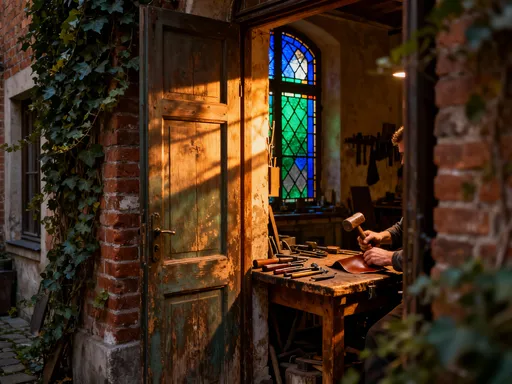
What makes Barrio Italia special is its invitation to slow down. There are no major landmarks or crowded plazas—just a series of interconnected blocks that reward patient exploration. On weekends, the Feria Artesanal de Providencia, held in a nearby park, brings local artisans to sell handmade soaps, ceramics, textiles, and woodwork. This is not mass-produced souvenirs, but objects made with care and intention. Visitors often leave with more than a purchase—they leave with a story, a connection to the person who made it.
Cycling is a popular way to experience the neighborhood, with dedicated bike lanes connecting it to other parts of the city. The relaxed pace allows travelers to notice details: a hand-painted sign, a garden hidden behind a gate, the sound of a violin drifting from an open window. Cafés in Barrio Italia have a European feel, with outdoor tables, strong espresso, and pastries that reflect both Italian tradition and Chilean ingredients. A morning here might begin with *café con leche* and *sopaipillas*, followed by an afternoon browsing antique maps or vintage furniture.
For the woman who values craftsmanship, authenticity, and a slower rhythm of life, Barrio Italia offers a deeply satisfying experience. It is not about spectacle, but about substance. The neighborhood does not advertise itself loudly, but for those who take the time to look, it reveals a world of quiet beauty and enduring quality. In a city that can feel fast and modern, Barrio Italia stands as a testament to the value of patience, tradition, and handmade care.
Vitacura and El Golf: Upscale Living with International Flair
Vitacura and the adjacent El Golf district represent a different side of Santiago—one of modern luxury, international influence, and polished urban living. Skyscrapers rise alongside embassies, corporate offices, and high-end residences, creating a skyline that reflects the city’s economic strength. Tree-lined avenues like Avenida Vitacura are home to designer boutiques, five-star hotels, and some of Santiago’s most exclusive restaurants. The atmosphere is cosmopolitan, with a noticeable presence of international brands, luxury cars, and multilingual conversations.
While these neighborhoods are primarily residential and not designed for tourism, they offer valuable experiences for visitors who approach them with respect and curiosity. A daytime walk through Vitacura reveals well-kept parks, elegant fountains, and quiet plazas where professionals take lunch breaks. Cafés in shopping centers like Parque Arauco or Costanera Center provide comfortable spaces to rest, observe, and enjoy a high-quality espresso. The Gran Torre Santiago, the tallest building in Latin America, offers panoramic views from its observation deck, allowing visitors to see the city spread out in all directions—from the Andes to the coast.
It is important to note that Vitacura and El Golf are not places to wander aimlessly or expect casual interactions. The culture here is more reserved, the pace more formal. However, this does not mean they are unwelcoming. On the contrary, many locals appreciate visitors who show genuine interest in the city’s diversity. A polite greeting, a respectful demeanor, and an awareness of personal space go a long way. For women travelers, the area feels safe and well-maintained, with excellent lighting and security.
Visiting Vitacura is not about indulgence, but about understanding. It is one thread in Santiago’s larger tapestry—one that speaks to progress, global connection, and modern comfort. To experience it is not to admire wealth for its own sake, but to recognize how different parts of a city coexist, each contributing to the whole. A coffee in a designer café, a walk through a quiet park, a moment of reflection from a high vantage point—these small experiences add depth to a traveler’s understanding of Santiago.
Connecting the Blocks: Practical Tips for Navigating Santiago’s Neighborhoods
Moving between Santiago’s neighborhoods is both convenient and enlightening, thanks to a reliable public transportation system and a walkable urban core. The Metro is the backbone of the city’s transit network, with clean, efficient lines that connect major districts. Stations are clearly marked in Spanish and English, and digital maps are available at entrances. For safety, it is advisable to travel during daylight hours, stay in crowded cars, and keep personal belongings secure. Ride-sharing apps like Uber and Cabify are widely used and offer a comfortable alternative, especially for evening travel or when carrying luggage.
Walking is one of the best ways to experience Santiago, particularly in neighborhoods like Bellavista, Lastarria, and Providencia, where sidewalks are well-maintained and pedestrian crossings are common. However, it is important to be aware of neighborhood boundaries and to avoid poorly lit or isolated streets after dark. Most locals are friendly and willing to help, especially if you speak a few words of Spanish. Simple phrases like *¿Dónde está…?* (Where is…?) or *Gracias* (Thank you) can open doors and create warm interactions.
Cultural etiquette in Santiago emphasizes politeness and formality. Greetings often include a handshake or, among friends, a single kiss on the cheek. Dressing neatly is appreciated, even in casual settings. When dining, it is customary to wait for the host to begin eating, and to express appreciation for the meal. Tipping is not mandatory but is welcomed in restaurants—10% is customary for good service.
Language can be a bridge or a barrier, but even basic Spanish enhances the experience. Many younger Chileans speak some English, but older generations may not. Carrying a small phrasebook or using a translation app can ease communication. Above all, a respectful attitude—listening more than speaking, observing before acting—goes a long way in building trust and connection. Santiago rewards those who approach it with humility and curiosity.
Santiago as a Story Written in Streets
Santiago is not a city to be conquered, but a story to be read—one sentence at a time, one block at a time. Each neighborhood contributes a unique voice to the narrative, from the historic echoes of Centro Histórico to the creative pulse of Bellavista, the intellectual calm of Lastarria, and the quiet craftsmanship of Barrio Italia. To travel here is not to collect sights, but to gather moments: the taste of a fresh *empanada*, the sound of a street violinist, the warmth of a shopkeeper’s smile. These are the threads that weave together into a richer, more meaningful journey.
For women who travel not just to see, but to understand—to connect, to grow, to feel alive—Santiago offers a deeply rewarding experience. It is a city that respects both tradition and change, that balances urban energy with human scale. It invites you not to rush, but to linger; not to observe from a distance, but to step in and walk alongside its people. The true landmarks are not always marked on maps. They are found in conversations, in quiet parks, in the way sunlight falls on a painted wall in the late afternoon.
So let go of the need to see everything. Instead, choose a neighborhood, wander its streets, and allow yourself to be surprised. Let Santiago reveal itself not in grand gestures, but in small, authentic details. This is how stories are written—not in headlines, but in the quiet lines between. And this is how memories are made: one block, one moment, one heartbeat at a time.