Wheels, Waves, and Kimchi: My Korean Island Food Ride
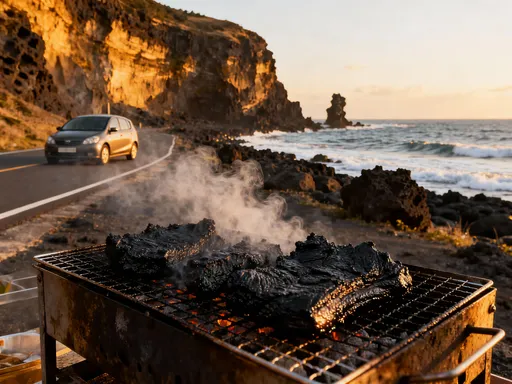
Driving through Jeju Island feels like flipping through a living travel magazine—every turn reveals something fresh, wild, and delicious. With the coast hugging one side and volcanic hills on the other, I followed my nose instead of a strict plan. What I found? A food scene that’s bold, local, and deeply tied to the land and sea. This isn’t just a road trip—it’s a full-flavored journey you’ve gotta experience. From roadside grills sending smoke signals of black pork to seaside stalls cracking open abalone like treasure, every mile offered a new taste. For women who cherish meaningful travel—where flavor, freedom, and discovery meet—Jeju by car is nothing short of transformative.
Why Jeju by Car Changes Everything
Exploring Jeju Island from behind the wheel transforms the journey into something deeply personal. Unlike the rigid schedules of group tours, driving grants the freedom to pause wherever curiosity strikes—whether it’s a roadside stand with baskets of sun-warmed tangerines or a quiet harbor where fishermen unload the morning’s catch. The island’s compact size, roughly 73 kilometers across at its widest point, makes self-driving not only convenient but deeply rewarding. Well-maintained roads snake along coastal cliffs and inland trails, with clear signage in both Korean and English, ensuring navigation remains stress-free even for first-time visitors to South Korea.
What truly sets a car-based exploration apart is access. Many of Jeju’s culinary gems are tucked into small villages or perched on remote coastlines, places that tour buses simply don’t reach. Driving allows travelers to experience the island’s rhythm—the way life slows in a farming hamlet at midday, or how a seaside alley comes alive at dusk with the sizzle of grills. It’s in these moments that authenticity shines. A sudden craving for fresh seafood can lead you to pull over at a dockside shack where steamed conch is served on chipped porcelain plates with nothing but a squeeze of lemon and a sprinkle of salt.
For women traveling solo or with family, the ability to set your own pace is invaluable. You can linger at a quiet beach to dip your feet in the water, then drive to a nearby village for a late lunch without worrying about missing a shuttle. The car becomes a mobile base of comfort—carrying reusable water bottles, a light shawl for ocean breezes, and space for souvenirs like hand-packed kimchi or jars of wild honey. Parking is generally easy, with designated lots at major attractions and small pull-offs along scenic byways. With each kilometer, the sense of independence grows, turning the island into a personal adventure rather than a prepackaged itinerary.
Jeju’s Must-Try Dishes: More Than Just Kimchi
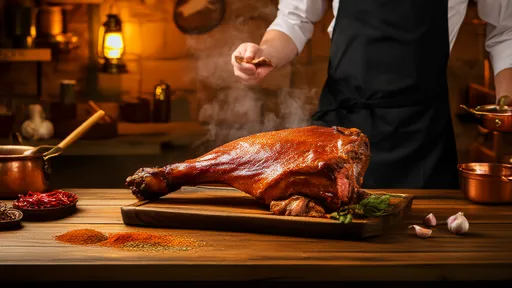
While kimchi is a beloved staple across Korea, Jeju’s cuisine stands in a category of its own—shaped by volcanic soil, salty sea air, and centuries of island resilience. The flavors here are bolder, earthier, and often richer, drawing from both the ocean’s abundance and the island’s unique agriculture. One cannot speak of Jeju food without mentioning heukdwaeji, or black pork. Raised on the island’s lush pastures and fed on natural grains, this pork is marbled with flavor and tender enough to melt at the touch of a chopstick. Grilled simply over charcoal with garlic and a dip of salt, it’s a dish that feels both luxurious and humble.
Another local favorite is bingsteak, a name that hints at Western influence but delivers a wholly Korean experience. This stir-fried dish combines chewy udon-like noodles with fresh squid, clams, and vegetables, all tossed in a savory-sweet sauce that clings to every strand. Served in sizzling cast-iron pans, it’s comfort food at its finest—especially after a day of coastal hikes or wind-swept drives. Equally refreshing is garak-guksu, a cold noodle soup made with a clear broth of fermented radish and topped with sliced cucumber, boiled egg, and tender pork. On a warm afternoon, this bowl is a quiet revelation—cool, tangy, and deeply satisfying.
No food journey through Jeju is complete without haemul pajeon, a crispy seafood pancake that crackles when cut. Made with local octopus, clams, and scallions, it’s often enjoyed as a shared appetizer, paired with a glass of somaek—a simple mix of beer and soju that locals sip slowly during evening gatherings. The pancake’s golden crust gives way to a soft, savory center, a balance that delights both first-time visitors and returning food lovers. These dishes aren’t just meals—they’re stories on a plate, each bite reflecting the island’s relationship with its environment.
Mapping the Flavors: A Taste-Driven Route
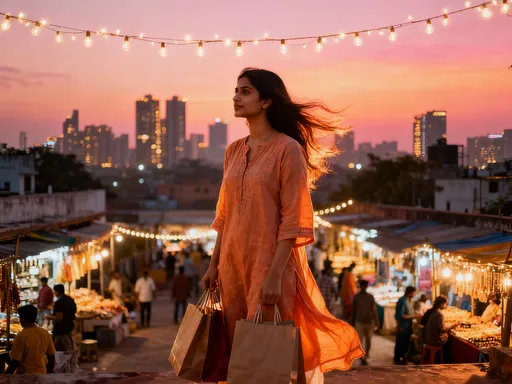
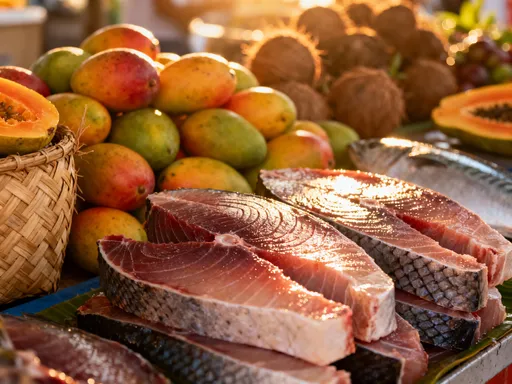
Planning a food-centered drive across Jeju doesn’t require a rigid itinerary, but a loose route ensures you don’t miss the island’s regional specialties. Begin in Jeju City, where Dongmun Market offers a lively introduction to local flavors. Here, under corrugated tin roofs and flickering neon signs, vendors serve hot, steaming skewers of grilled squid, sweet tteokbokki (spicy rice cakes), and fresh mandarin juice squeezed to order. The market’s energy is infectious, and the aromas—smoky, sweet, and briny—guide you from stall to stall.
From Jeju City, head south toward Seogwipo, a coastal town known for its fishing culture and seaside dining. The Jungmun area, in particular, is home to restaurants perched above rocky shores, where you can dine on abalone grilled over open flames while listening to the waves below. Along the way, take time to explore the east coast’s olle trails—well-marked walking paths that connect coastal villages and offer glimpses of daily island life. Many of these villages have small eateries where fishermen’s families serve lunch to passersby, often featuring conch, sea urchin, or sea mustard salad.
Continue your loop by driving north along the eastern shoreline, where citrus farms dot the landscape. Jeju’s famous hallabong tangerines aren’t just a snack—they’re woven into the cuisine. Look for restaurants offering tangerine-marinated pork, tangerine-infused tea, or even tangerine sorbet. On Udo Island, reachable by a short ferry ride from Seongsan, small cafés serve fresh milk ice cream blended with tangerine puree—a creamy, tangy treat that captures the island’s spirit. Each region contributes its own note to the symphony of flavor, and driving allows you to experience them in harmony.
Hidden Eateries Only Locals Know
Some of the most memorable meals on Jeju happen off the map. These are the unmarked restaurants, family-run kitchens, and roadside grills that don’t appear in guidebooks but thrive on word-of-mouth and daily regulars. One such gem is a tiny shop near Hallim, tucked behind a row of fishing boats, where an ajumma—Korean for a respected middle-aged woman—serves gukbap, a warm rice soup with pork and pickled radish. The space is modest: a few plastic tables, a hand-written menu in Korean, and the steady hum of a rice cooker in the corner. But the soup? Deeply nourishing, with layers of flavor built from slow-simmered broth and house-fermented vegetables.
These hidden spots often reveal themselves through small clues: a cluster of motorcycles parked outside, the rich scent of grilled meat drifting from a courtyard, or a chalkboard with a daily special scrawled in Korean. They thrive on authenticity, not presentation. Service may be quiet, and communication limited if you don’t speak Korean, but a smile and a pointing finger at the menu go a long way. Many travelers carry a small photo menu or translation app, which helps bridge the gap and ensures you don’t miss out on daily specials like steamed black goat soup or spicy sea snail stew.
What makes these places special isn’t just the food—it’s the connection. You’re not a customer; you’re a guest. The ajumma might refill your soup without being asked, or offer a free sample of homemade makgeolli, a milky rice wine. In these moments, the journey becomes more than sightseeing—it becomes relationship-building. For women who value heartfelt experiences over polished tourist traps, these encounters are the soul of travel. They remind us that the best flavors often come from the simplest places, served with quiet pride.
Driving Tips That Keep the Trip Smooth
Driving in Jeju is straightforward and safe, making it an ideal destination for women traveling independently or with family. International driving permits are widely accepted, and rental agencies at Jeju International Airport offer English-speaking staff and vehicles equipped with GPS navigation. Compact cars are sufficient for the island’s roads, though larger models offer more comfort for longer drives. It’s wise to book in advance during peak seasons like spring (March–May) and autumn (September–November), when the weather is mild and the tangerine blossoms are in full bloom.
While main roads are well-paved and clearly marked, rural lanes can be narrow, winding, and occasionally steep. Daylight driving is recommended, especially in mountainous or coastal areas where fog can roll in unexpectedly. Always keep both hands on the wheel and stay alert for sudden turns or farm vehicles entering the road. Speed limits are strictly enforced, and traffic cameras are common, so adherence to posted signs ensures a stress-free experience.
Navigation apps like Naver Maps or KakaoMap are more reliable than international platforms, as they include real-time updates and detailed local listings. Still, carrying a paper map is a smart backup, particularly in remote areas where cellular signals may weaken. Gas stations are frequent and often double as convenience stops—many offer free bottled water, restrooms, and, famously, complimentary samples of Jeju tangerines. A small phrase sheet with food-related translations—such as “spicy,” “no pork,” or “can I have water?”—can ease communication at small eateries and rental counters alike.
When Food Meets Scenery: Dining with a View
On Jeju, the line between dining and sightseeing often blurs. Some of the most unforgettable meals are shaped as much by the setting as by the food itself. Picture this: sitting on a wooden deck at dawn, wrapped in a light jacket, as the sun rises over the ocean and a bowl of jeonbokjuk—creamy abalone porridge—is placed before you. The air is crisp, the light soft and golden, and each spoonful warms you from the inside. This isn’t just breakfast; it’s a moment of peace, a quiet celebration of being present.
Along the cliffs of Seongsan Ilchulbong, cafés carved into lava rock offer panoramic views with every sip of tangerine tea or bite of sweet potato muffin. Others nestle among orange groves, where the scent of blossoms drifts through open windows. These spaces are designed to slow you down—to invite lingering over coffee, journaling, or quiet conversation. For mothers, sisters, or friends traveling together, these pauses become shared treasures, small rituals woven into the journey.
Even roadside rest areas, known as “driving rests,” are thoughtfully designed. Many feature local food stalls, picnic tables, and walking paths with ocean views. One popular stop along the east coast offers freshly grilled corn brushed with butter and a sprinkle of salt, best eaten while watching waves crash against volcanic rocks. These moments—simple, sensory, and unplanned—are what elevate a trip from ordinary to extraordinary. When flavor and scenery align, the experience becomes more than a meal. It becomes a memory etched in both taste and vision.
Why This Trip Stays With You
A journey through Jeju by car is more than a collection of meals and sights—it’s a reawakening of the senses. For women who seek travel that nourishes the body and soul, this island offers a rare balance: adventure without risk, flavor without pretense, and beauty without crowds. The act of driving from village to village, guided by hunger and curiosity, fosters a deep connection—to the land, to the people, and to oneself. You begin to notice the small things: the way an elder folds kimchi by hand, the rhythm of waves against a seawall, the warmth of a smile from a stranger who offers you a sample of fresh cheese from a goat farm.
What lingers long after the trip ends is not just the taste of black pork or the view from a cliffside café, but the feeling of freedom. The ability to stop, breathe, and choose your own path is a gift many women crave but rarely claim. In Jeju, that gift is handed to you with every turn of the key. The island doesn’t demand perfection; it welcomes presence. It rewards slow travel, quiet observation, and open-hearted curiosity.
And when you finally return home, the memories don’t fade—they settle. They surface in the way you savor a simple meal, the way you pause to appreciate a sunset, or the way you tell stories with a glow in your eyes. Jeju doesn’t just change how you see travel. It changes how you see yourself—capable, curious, and fully alive. The road may end, but the journey continues, one mindful moment at a time.