You Won’t Believe These Hidden Landscapes in Provence
When you think of Provence, lavender fields and sun-drenched villages probably come to mind—but there’s so much more beneath the surface. I was blown away by the region’s surreal terrain: towering canyons, ochre cliffs that look like Mars, and limestone valleys carved by ancient rivers. This isn’t just picturesque countryside—it’s a geological wonderland waiting to be explored. If you're chasing unforgettable views and unique photo ops, these natural masterpieces are absolute must-sees. Beyond the postcard-perfect vineyards and hilltop towns lies a world shaped by time, water, and tectonic forces, where every ridge tells a story millions of years in the making. These landscapes offer not only visual drama but also a chance to reconnect with nature in its most authentic form.
Beyond Lavender: Provence’s Untold Geological Story
While most travelers associate Provence with fragrant purple blooms and rustic charm, the region's true depth lies in its extraordinary geology. Beneath the familiar imagery of olive groves and stone farmhouses is a landscape sculpted by powerful natural forces over hundreds of millions of years. The area sits at the edge of the African and Eurasian tectonic plates, where slow but relentless pressure has uplifted mountains, cracked the earth, and exposed layers of rock that reveal Earth’s ancient history. Erosion from wind, rain, and rivers has further carved this terrain into dramatic forms—deep gorges, honeycombed cliffs, and undulating hills colored by mineral richness.
What makes Provence so unique is the variety of geological formations packed into a relatively small area. From the soft pastels of its famed lavender fields to the fiery reds of its ochre deposits, the land reflects a complex interplay of climate, chemistry, and time. Iron oxide gives the soil its striking orange and crimson hues, while limestone dominates the highlands, forming cliffs and caves. These elements combine to create scenes that feel almost alien—places where sunlight dances across striated walls or where shadows deepen in narrow fissures carved by millennia of water flow.
This hidden dimension of Provence invites a deeper kind of travel—one rooted in curiosity and appreciation for the planet’s artistry. It shifts the focus from passive sightseeing to active exploration, encouraging visitors to look beyond the surface and understand how nature shapes beauty. Whether standing at the edge of a canyon or walking through a tunnel of red rock, one begins to sense the immense timescale behind these wonders. And for those willing to venture off main roads and tourist trails, the rewards are views few ever witness.
Verdon Gorge: Europe’s Grand Canyon Experience
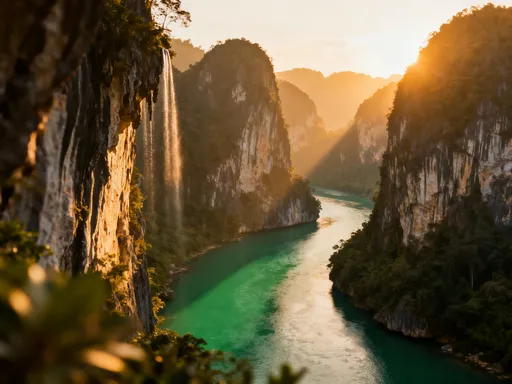
Often called the “Grand Canyon of Europe,” the Verdon Gorge is one of Provence’s most breathtaking natural spectacles. Carved by the Verdon River over millions of years, this immense chasm stretches for over 20 kilometers and plunges up to 700 meters deep in places. Its name comes from the river’s vivid emerald-green waters, which shimmer under the Provençal sun and reflect the towering limestone cliffs that enclose it. The contrast between the turquoise river and the pale gray rock creates a visual harmony rarely seen elsewhere in Europe.
For hikers, the gorge offers some of the most rewarding trails in southern France. The classic route along the Sentier Martel (Martel Trail) takes adventurers through narrow passages, across suspended walkways, and beneath natural rock arches. Sections of the path cling to the cliffside, offering vertigo-inducing drops just steps away—a thrill balanced by handrails and well-maintained surfaces. Equally popular is the quieter Sentier de l'Imbut, which leads to a stunning waterfall where the river disappears into a narrow cleft before reappearing downstream. Both trails require moderate fitness but are accessible to determined walkers with proper footwear and preparation.
Kayaking the Verdon River is another unforgettable way to experience the gorge from within. Paddlers glide through calm stretches flanked by sheer walls, their silence broken only by bird calls and the gentle lap of water against the kayak. Guided tours are widely available and recommended for first-time visitors, as they include safety gear, transportation, and insights into the local ecology. For those who prefer to stay dry, scenic viewpoints like Point Sublime and Croix de Verdon offer panoramic vistas that stretch for miles. At sunrise or late afternoon, when the light slants across the canyon, the colors intensify and the shadows grow long, making these moments ideal for photography.
Visiting during shoulder seasons—late spring or early autumn—ensures milder temperatures and fewer crowds. Summer brings intense heat and packed trails, especially on weekends. Early mornings are best for both comfort and solitude. Regardless of when you go, the Verdon Gorge remains one of Provence’s crown jewels—a place where nature’s power and elegance are on full display.
Roussillon and the Ochre Trails: A Martian Landscape on Earth
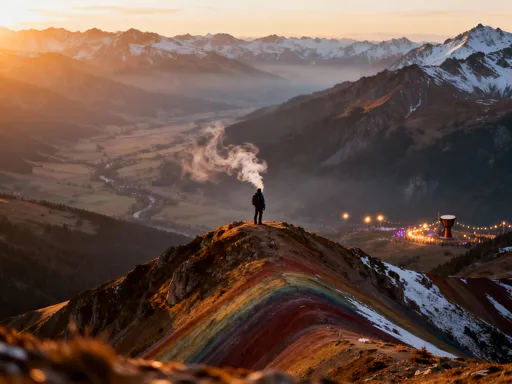
Nestled in the Luberon region, the village of Roussillon rises like a mirage from a sea of red rock. Surrounded by cliffs streaked with vibrant shades of rust, crimson, and golden yellow, it feels more like a scene from another planet than a typical Provençal town. These colors come from ochre, a natural pigment formed from iron oxide-rich sediment deposited over 100 million years ago. Once a major industry in the 19th century, ochre mining shaped the economy and identity of the region, with quarries supplying pigments used in paints, textiles, and construction across Europe.
Today, the focus has shifted from extraction to preservation. The most celebrated site is the Sentier des Ocres, a marked hiking trail that winds through former mining areas now protected as part of the Parc Naturel Régional du Luberon. As visitors walk along wooden boardwalks and shaded paths, they pass through tunnels of solid color—walls compressed into swirling layers of red and orange, eroded into fantastical shapes by wind and rain. The air carries a faint, earthy scent, a reminder of the ancient rock crumbling slowly beneath feet. Interpretive signs explain the geological processes and historical significance, enriching the experience for curious minds.
What makes the Ochre Trail truly special is its accessibility and sensory impact. Unlike remote or strenuous hikes, this path welcomes families, casual walkers, and photographers alike. Children delight in the tunnels and hidden nooks, while adults pause frequently to capture the shifting light on the cliffs. The trail culminates in viewpoints overlooking the surrounding valley, where green pine forests contrast sharply with the fiery earth. Guided tours are available and often include demonstrations of how ochre was extracted and processed, adding a human dimension to the landscape.
Conservation efforts are critical here, as the soft rock is highly susceptible to erosion. Visitors are asked to stay on designated paths, avoid touching the cliffs, and refrain from removing any material. Local authorities have invested in infrastructure to protect the site while making it enjoyable for tourists. By balancing access with preservation, Roussillon offers a model of sustainable tourism—one where natural beauty can be shared without being compromised.
L’Entrée des Gorges du Verdon: Gateway to Adventure
While many flock to the northern rim of the Verdon Gorge near Castellane, the southern entrance around Moustiers-Sainte-Marie offers a quieter, equally stunning approach. This area serves as a natural gateway, where the gentle hills of the Var department give way to the steep ravines and limestone spires of the gorge system. The transition is gradual but unmistakable—rolling farmland gives way to rocky outcrops, and the air grows cooler as elevation increases. It’s a landscape that invites exploration at a slower pace, perfect for travelers seeking both beauty and tranquility.
Moustiers-Sainte-Marie itself is a gem of Provençal architecture, perched on a cliffside with a ribbon of river below. Famous for its centuries-old pottery tradition, the village hosts a weekly market where local artisans sell handcrafted ceramics, honey, and lavender products. Wandering its cobblestone streets, visitors can glimpse views of the surrounding countryside framed by stone arches and ivy-covered walls. From here, several trailheads lead into the gorge’s lesser-known tributaries, offering solitude and intimate encounters with nature.
One of the most scenic routes begins at La Palud-sur-Verdon, a small hamlet that serves as a base for hikers and photographers. The road leading into it—D952—is legendary for its hairpin turns and panoramic outlooks. Early risers can drive it in near silence, watching the sun rise over the canyon and illuminate the opposite cliffs in golden light. Parking areas near the village provide access to multiple trails, including paths that descend toward the river or climb to elevated lookouts like Belvédère de la Croix du Sud.
Because this side of the gorge tends to be less crowded, it’s ideal for families and those who prefer a peaceful start to their adventure. Picnic spots are scattered along the route, many with tables shaded by pines. Local cafes serve simple but satisfying meals—think goat cheese salads, grilled vegetables, and chilled rosé—perfect for refueling before or after a hike. For those renting a car, combining a visit to Moustiers-Sainte-Marie with a loop through nearby villages like Esparron-de-Verdon or Sainte-Croix-du-Verdon creates a full day of discovery.
The Alpilles Range: Rugged Beauty Between Olive Groves and Rock Formations
To the south of the Luberon, the Alpilles rise abruptly from the flat plains of the Rhône Valley, forming a jagged limestone ridge that stretches for about 25 kilometers. Though modest in height compared to the Alps, this range delivers dramatic scenery defined by cracked cliffs, hidden caves, and weathered rock formations. Its terrain is both harsh and beautiful, shaped by centuries of wind and water erosion that have carved fantastical shapes into the stone.
One of the most iconic towns in the Alpilles is Les Baux-de-Provence, dramatically situated atop a rocky spur with sweeping views of the surrounding countryside. The ruins of a medieval fortress crown the summit, their stones blending seamlessly with the natural rock. Below, narrow alleys wind through the old village, where boutique shops and family-run restaurants occupy centuries-old buildings. A short walk from the town leads to the Val d’Enfer (“Valley of Hell”), a surreal landscape of eroded limestone formations that resemble petrified waves, twisted columns, and crumbling towers. Despite its ominous name, the valley is a haven for walkers and photographers, with well-marked paths and frequent interpretive panels explaining the geology.
Another highlight is the Baux-de-Provence Geological Trail, a self-guided route that combines history and science. Along the way, visitors learn about the region’s role in early oil exploration—the first oil well in France was drilled here in 1929—and discover fossilized seashells embedded in the rock, evidence of an ancient sea that once covered the area. The trail is suitable for all ages and takes about an hour to complete, making it an excellent option for families.
Throughout the Alpilles, olive groves cling to the slopes, their silvery leaves shimmering in the breeze. These groves are not just scenic—they’re part of a living agricultural tradition that dates back to Roman times. Many farms offer tastings and tours, allowing visitors to sample locally pressed olive oil and learn about sustainable farming practices. With a network of well-maintained trails and clear signage, the Alpilles provide a perfect blend of natural beauty, cultural heritage, and outdoor recreation.
Practical Tips for Exploring Provence’s Unique Terrain
Exploring Provence’s diverse landscapes requires thoughtful preparation, especially given the region’s hot summers and rugged terrain. Proper footwear is essential—hiking boots with good ankle support and grip are recommended for trails like Sentier Martel or the Ochre Trail. Sandals or flip-flops may seem appealing in the heat but offer little protection on uneven or rocky paths. Lightweight, moisture-wicking clothing helps regulate body temperature, while a wide-brimmed hat and UV-protective sunglasses shield against intense sun exposure.
Hydration is critical, particularly between June and August when temperatures regularly exceed 30°C (86°F). Carrying at least two liters of water per person is advised, even for shorter hikes. Reusable bottles with filtration systems are practical and environmentally friendly. Snacks such as nuts, dried fruit, or energy bars provide sustained energy, especially on longer treks. While some trails have cafes or vending machines nearby, others are remote, so self-sufficiency is key.
Navigation tools are equally important. While many trails are well-marked with color-coded signs, having a GPS-enabled smartphone or dedicated hiking app adds an extra layer of security. Offline maps should be downloaded in advance, as cell service can be spotty in mountainous areas. Paper maps and compasses remain reliable backups. For those unfamiliar with the terrain, guided tours offer peace of mind and enrich the experience with expert commentary on geology, flora, and local history.
Transportation is best handled by car, as public transit options to remote sites like the Verdon Gorge or Roussillon are limited. Renting a compact vehicle with air conditioning ensures comfort and maneuverability on narrow mountain roads. Drivers should familiarize themselves with French road rules, particularly regarding roundabouts and rural signage. Parking at popular sites fills quickly in summer, so arriving early—ideally before 9 a.m.—increases the chances of securing a spot.
Seasonal considerations also play a role. Spring (April to June) and autumn (September to October) offer the most favorable conditions: mild temperatures, blooming wildflowers, and fewer tourists. July and August bring peak crowds and heat, making early morning or late afternoon excursions preferable. Winter visits are possible in lower elevations, though some high-altitude trails may be closed due to rain or snow. Regardless of timing, checking local weather forecasts and park advisories before departure is a smart habit.
Finally, respecting the environment ensures these landscapes remain pristine for future generations. Visitors should follow the “leave no trace” principle: pack out all trash, avoid picking plants or disturbing wildlife, and stay on marked trails to prevent soil erosion. Feeding animals or lighting fires outside designated areas is prohibited. By traveling mindfully, visitors honor both the natural world and the communities that steward it.
Why These Landscapes Matter: Conservation and Mindful Travel
The extraordinary landscapes of Provence are not just scenic backdrops—they are fragile ecosystems shaped by immense spans of time and delicate balances. Each canyon, cliff, and valley represents a unique intersection of geology, climate, and biodiversity. Yet these wonders face growing pressures from tourism, climate change, and human activity. Erosion accelerates when too many footsteps stray from trails. Native plants struggle when invasive species are introduced. Water levels in rivers like the Verdon fluctuate due to upstream dams and drought.
Conservation is no longer optional—it is essential. Protected areas such as the Parc Naturel Régional du Luberon and the Verdon Natural Reserve implement regulations to limit damage and promote sustainability. These include restricting vehicle access, controlling visitor numbers during peak times, and funding restoration projects. Local organizations also run educational programs to raise awareness among residents and tourists alike. Supporting these efforts—whether by paying entrance fees, joining volunteer cleanups, or choosing eco-certified tours—makes a tangible difference.
Mindful travel begins with intention. It means choosing quality over quantity—spending a full day immersed in one location rather than rushing through several. It means listening to the land: noticing how light changes on rock faces, how birds call at dusk, how silence deepens in a narrow gorge. It means leaving nothing behind but footprints and taking nothing but memories. When travelers engage with nature in this way, they form deeper connections and develop a sense of stewardship.
These landscapes have inspired poets, painters, and pilgrims for centuries. They remind us of nature’s power to astonish, to heal, to humble. In an age of constant motion and digital distraction, they offer a rare opportunity to slow down and witness something timeless. By exploring them with care and respect, we ensure that future generations can stand at the edge of a canyon or walk through a tunnel of red rock and feel the same awe we do today. Let Provence’s hidden landscapes not only captivate your eyes but also awaken your sense of wonder—and responsibility.