Off the Radar in Munich: Culture Secrets Only Locals Know
You know that feeling when you’ve seen all the postcard sights, but something’s still missing? Munich’s real magic isn’t in the crowded beer halls or tourist-packed squares. I stumbled upon hidden courtyards, family-run workshops, and quiet traditions that made me rethink what culture really means. This isn’t about ticking off landmarks—it’s about connection, curiosity, and those “wait, this exists?” moments. Let me show you the Munich most travelers never find.
Beyond Marienplatz: Rethinking Munich’s Cultural Identity
Munich is often reduced to its most famous icons: the golden Angel of Peace atop the Friedensengel, the bustling Marienplatz with its glockenspiel chimes, and the grand Hofbräuhaus echoing with laughter and clinking steins. These landmarks are undeniably beautiful, but they represent only a surface layer of a city that pulses with quieter, deeper rhythms. To truly understand Munich, one must step away from the guidebook checklist and into the neighborhoods where daily life unfolds with dignity, tradition, and subtle pride. The city’s cultural identity is not frozen in time, nor is it performative for visitors—it lives in the way a baker greets his regulars by name, in the seasonal wreaths hung on apartment doors in Schwabing, and in the unspoken respect for centuries-old customs that continue without fanfare.
What makes Munich’s offbeat culture so compelling is its resistance to spectacle. While other European capitals commodify heritage, Munich often keeps its most meaningful traditions close to the chest. This isn’t exclusion—it’s preservation. Locals aren’t hiding their culture; they’re living it, and they welcome observant, respectful visitors who come not to collect photos, but to absorb atmosphere. The shift from tourist to traveler happens when you stop looking for what’s advertised and start noticing what’s simply there: a hand-painted shop sign in Gothic script, an elderly couple dancing at a neighborhood fair, or the scent of roasting chestnuts drifting through a quiet alley in late autumn.
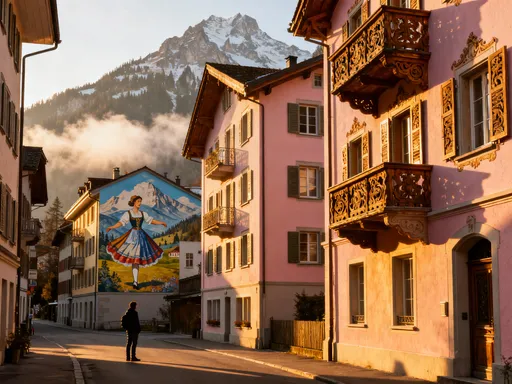
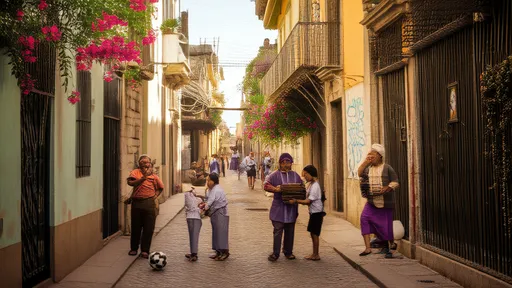
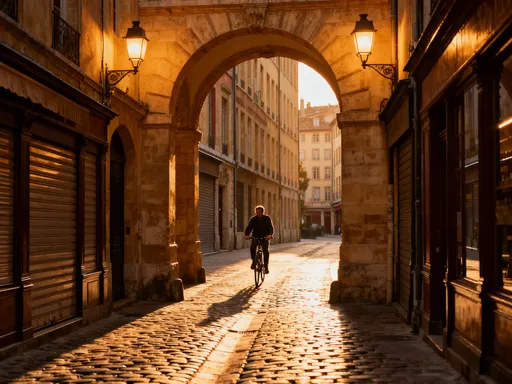
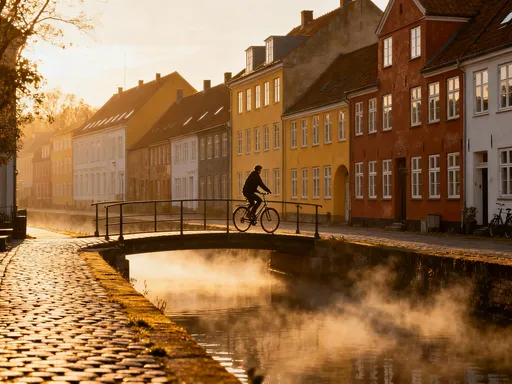
Exploring beyond the center reveals a city of layered histories. The Altstadt may draw the crowds, but districts like Haidhausen, Sendling, and Berg am Laim offer a more intimate sense of place. These areas were once independent villages absorbed into the growing metropolis, and they’ve retained their distinct characters. Cobblestone lanes wind past pastel-colored houses, church bells mark the hours with gentle insistence, and corner taverns serve regional wines that rarely make it onto tourist menus. This is where Munich’s soul resides—not in grand gestures, but in the consistency of routine, the care put into small things, and the quiet confidence of a culture that doesn’t need to shout to be heard.
Hidden Courtyards and Forgotten Architecture: Munich’s Silent Storytellers
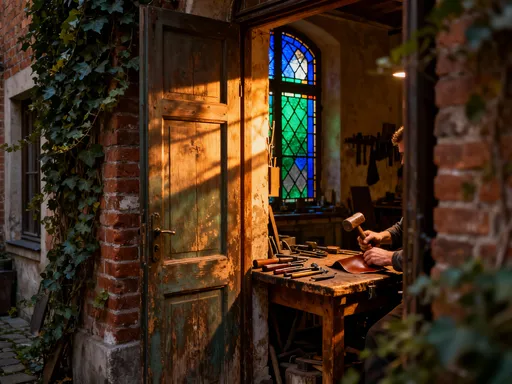
One of Munich’s best-kept secrets lies just out of sight—behind unassuming doorways and narrow passageways that lead into hidden courtyards known locally as Hinterhöfe. These inner sanctuums, tucked behind 18th- and 19th-century facades, are remnants of a pre-modern urban fabric where artisans, merchants, and families lived and worked in close quarters. Today, many of these courtyards have been preserved not as museums, but as living spaces—home to ceramic studios, violin makers, small publishing houses, and even urban gardens. They are places where time moves differently, where the clink of a hammer shaping copper or the rustle of paper being hand-bound replaces the roar of traffic.
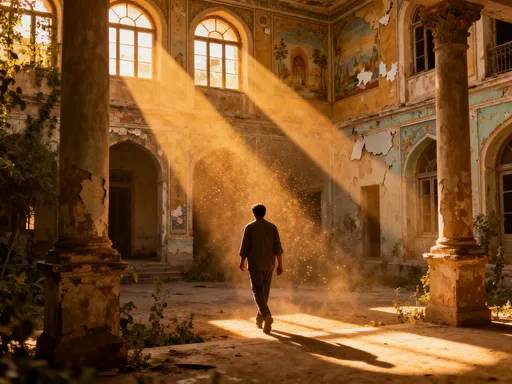
Walking through a Hinterhof feels like stepping into a parallel Munich—one that values privacy, craftsmanship, and continuity. Some date back to the Baroque era, their timber-framed structures miraculously surviving both the wear of time and the destruction of World War II. Others were rebuilt in the postwar years with a sense of restraint and functionality, yet still retain a sense of charm and human scale. What unites them is their invisibility to the casual passerby. You won’t find these spaces on most city maps, nor are they typically marked with signs. Their discovery requires curiosity, a willingness to wander, and a respectful approach.
For visitors, accessing these courtyards means observing unspoken rules. Many are private, and while some welcome quiet exploration, others are workplaces or residences. The key is to move slowly, avoid loud conversation, and never enter restricted areas. In some cases, open-door events like the annual Tag des Offenen Denkmals (Day of Open Monuments) provide legal and encouraged access to normally closed spaces. During this weekend, families, artisans, and historians invite the public into courtyards, workshops, and historic buildings, offering guided tours, demonstrations, and conversations about preservation. It’s one of the best times to witness Munich’s architectural memory come alive.
These spaces are not just beautiful—they’re instructive. They remind us that cities are not just collections of landmarks, but ecosystems of human activity. In a world where urban development often prioritizes efficiency over character, Munich’s Hinterhöfe stand as quiet acts of resistance. They prove that even in a modern European capital, there is room for intimacy, for history to be lived rather than displayed, and for architecture to serve not just function, but soul.
Living Traditions: Craftsmanship That Time Forgot
In an age of mass production and digital design, Munich quietly safeguards a network of artisans who practice crafts that have changed little in two hundred years. These are not performers for tourists, but working masters dedicated to preserving techniques passed down through generations. In neighborhoods like Au and Maxvorstadt, small ateliers operate with a rhythm that defies modern haste. Here, you’ll find the last practitioners of Hinterglasmalerei, the delicate art of reverse glass painting, where images are painted on the back of glass panels so that they’re viewed from the front—each stroke requiring precision, patience, and an intimate understanding of light.
Another rare craft still alive in Munich is hand-tooled leather bookbinding. In a fifth-floor walk-up near the Isar River, a family-run workshop has been binding books since the 1880s. The current custodian, a woman in her sixties, learned the trade from her father, who learned it from his uncle. Every tool—bone folder, brass awl, wooden press—has been used for decades. The scent of beeswax and calfskin fills the air. She binds everything from church records to private journals, each piece customized, durable, and deeply personal. “People used to care about how things were made,” she says. “Now, they care about how fast. But some things shouldn’t be rushed.”
These artisans are not relics. They are vital links in a cultural chain that values quality over quantity, process over product. Their work speaks to a broader Bavarian ethos: Sorgfalt, or meticulous care. This isn’t just about preserving old ways—it’s about insisting that certain things are worth doing slowly, by hand, and with intention. In a world of disposable goods, their creations are heirlooms, meant to last beyond a lifetime.
Travelers can engage with these traditions in meaningful ways. Some studios offer short workshops or observation hours, especially during cultural festivals. The key is to approach with humility. No flash photography. No demands. Just quiet observation and genuine questions. Many artisans appreciate the interest, especially when it comes from a place of respect rather than novelty. Supporting them—by purchasing a small item, donating to preservation funds, or simply spreading word—helps ensure these crafts don’t vanish into silence.
Neighborhood Festivals That Aren’t Oktoberfest
When most people think of Munich’s festivals, their minds jump to Oktoberfest—the global phenomenon of beer tents, dirndls, and oompah bands. But long before it became a tourist magnet, Munich’s communities celebrated with smaller, more intimate gatherings known as Kirchweihfeste—church consecration festivals that date back to the Middle Ages. These events, still held annually in districts like Pasing, Harlaching, and Ramersdorf, are not staged for visitors. They are expressions of local identity, where neighbors reunite, brass bands play traditional marches, and children dance around maypoles in handmade costumes.
Unlike the crowded beer halls of Oktoberfest, Kirchweihfeste unfold in village squares, schoolyards, or church grounds. Stalls serve regional specialties—Obatzda with fresh pretzels, Weißwurst boiled to perfection, and Most, a tart fermented apple cider rarely found outside these events. The music is live, often performed by local youth ensembles. There’s no admission fee, no branding, and no VIP sections. People bring their own chairs, share tables with strangers, and greet one another with a warmth that feels earned, not performed.
These festivals serve a deeper purpose than celebration. They reinforce social bonds, pass traditions to younger generations, and anchor communities in a shared sense of place. In a rapidly modernizing city, they offer continuity—a reminder that Munich is not just a destination, but a collection of living neighborhoods. For the thoughtful traveler, attending a Kirchweihfest is a rare privilege. It’s not about blending in—locals can spot a tourist easily—but about being present, respectful, and open-hearted.
To experience one, timing is essential. Most occur between late September and early November, often tied to the feast day of a local parish. Checking borough websites or community bulletin boards in advance can help identify dates. When attending, dress modestly, arrive early to avoid crowds, and let the rhythm of the event guide you. Buy food from small vendors, listen to the music, and if invited to join a dance or toast, accept with gratitude. These moments of connection—brief, unscripted, and real—are the heart of cultural travel.
Munich’s Literary and Philosophical Undercurrents
Beneath the surface of lederhosen and beer culture, Munich has long been a city of ideas. From the late 19th century onward, it attracted writers, philosophers, and composers who found inspiration in its blend of tradition and intellectual freedom. Thomas Mann wrote parts of The Magic Mountain while living in Munich, drawn to its “quiet intensity.” Rainer Maria Rilke wandered the English Garden, composing poetry in his mind. These figures weren’t passing through—they chose Munich for its unique atmosphere: a place where deep thought coexisted with daily ritual, where one could attend a symphony in the evening and buy fresh bread from a neighborhood baker the next morning.
Today, that intellectual current still flows, though it’s easy to miss. Historic cafés like Café Stefanie and Prinz Myshkin, once meeting places for artists and thinkers, remain open—quiet, wood-paneled spaces where conversation happens in murmurs, not declarations. Independent bookshops specialize in Bavarian dialect literature, philosophical essays, and rare editions of regional folklore. The Munich City Library hosts readings and discussions in hushed rooms lined with centuries-old tomes. These are not tourist attractions, but living parts of the city’s cultural fabric.
For the reflective traveler, these spaces offer essential balance. After days of sightseeing and sensory overload, a quiet hour in a bookshop or café can restore clarity. It’s a chance to slow down, to read a few pages in German or simply observe the local rhythm. Some bookstores even offer lending libraries where visitors can borrow a volume for the duration of their stay—a small but meaningful gesture of cultural exchange.
Engaging with Munich’s literary side doesn’t require fluency in German or a philosophy degree. It’s about creating space for stillness. It’s choosing a corner seat in a quiet café with a notebook, or asking a bookseller for a recommendation. These moments of contemplation are not escapes from culture—they are part of it. They remind us that a city’s depth isn’t measured in monuments, but in the quality of its silence, the weight of its words, and the space it allows for thought.
Culinary Heritage Beyond Pretzels and Sausage
Munich’s food culture is often reduced to three things: pretzels, sausages, and beer. And while the city excels at all three, its culinary heritage runs much deeper. Traditional Bavarian cuisine was shaped by seasons, scarcity, and resourcefulness—qualities that still influence the way many families cook today. Dishes like Fastensuppe, a simple Lenten soup made with lentils, vegetables, and herbs, reflect a history of fasting and frugality. Home-fermented sauerkraut, aged for months in crocks, speaks to a culture that values preservation and patience. Farmhouse cheeses from the Alpine foothills—creamy Weißkäse or smoky Almkäse—are made in small batches using raw milk and time-honored methods.
To experience this deeper culinary layer, one must move beyond beer gardens and into neighborhood markets, family kitchens, and slow-food initiatives. The Wiener Markt in Haidhausen, for example, hosts vendors who sell handmade noodles, wild-foraged mushrooms, and preserves made from garden-grown fruit. Some families open their homes through programs like Küchenfenster (Kitchen Window), inviting guests to share a home-cooked meal and learn about regional recipes. These aren’t performances—they’re invitations into daily life.
Eating in Munich, at this level, becomes an act of participation. It’s not about consumption, but connection. It’s asking the cheese vendor how she learned her craft, or thanking the hostess for the extra spoon of apple sauce. It’s understanding that a meal carries history, labor, and care. In a world of fast food and foodie trends, this kind of eating feels radical—a return to what food was meant to be: nourishment, memory, and community.
For visitors, the challenge is to eat slowly, ask questions, and resist the urge to treat everything as a novelty. A simple bowl of soup, served in a modest kitchen, can be more meaningful than a five-course feast in a starred restaurant. The key is presence—being there, not just tasting, but listening, learning, and thanking. In doing so, you don’t just eat like a local—you begin to understand what it means to live like one.
How to Travel This Way: Principles for Meaningful Exploration
Discovering Munich’s hidden culture isn’t about following a checklist—it’s about adopting a mindset. The first principle is slowness. Rushing through a city guarantees surface-level impressions. To see the details—the hand-carved door, the elder crafting a wooden spoon, the quiet festival in a back square—you must move at a pace that allows observation. Walk more. Sit often. Let curiosity, not schedules, guide you.
The second principle is permission. Just because something is visible doesn’t mean it’s for public access. Courtyards, workshops, and private events require respect. Always ask before entering, photographing, or engaging. A simple “Darf ich?” (May I?) goes a long way. When in doubt, observe quietly. Presence without intrusion is a form of respect.
Third, support small creators. Buy a hand-painted ornament from a glass artist. Order a bookbinding repair from a local atelier. Pay for a home-cooked meal hosted by a family. These choices sustain the very traditions you’ve come to admire. Tourism can be extractive, but it doesn’t have to be. When you spend intentionally, you become part of the cultural ecosystem.
Finally, embrace the language barrier. You don’t need fluent German to connect, but a few phrases—“Guten Tag,” “Danke,” “Entschuldigung”—signal respect. Locals appreciate the effort, even when your pronunciation falters. More importantly, silence can be a bridge. A smile, a nod, a shared moment of awe at a centuries-old fresco—these transcend words.
True cultural travel isn’t about collecting experiences. It’s about deepening understanding. It’s realizing that Munich’s soul isn’t in its grandest cathedral or most famous beer hall, but in the quiet persistence of tradition, the dignity of craftsmanship, and the warmth of community. The city doesn’t reveal itself to those who rush through. It opens up to those who listen, wait, and care. So slow down. Look closely. And let Munich, in its quietest moments, speak to you.