Lost in Paradise: Where the Ocean Paints the Sky
Have you ever seen water so clear it feels like flying? I walked barefoot on powdery sand, surrounded by shades of blue I didn’t know existed. In Maafushi, nature isn’t just a view—it’s a living force. From glowing bioluminescence to coral gardens beneath the waves, this island offers real, untouched wonder. No filters, no crowds—just pure magic. For women seeking a journey that nourishes the soul without sacrificing comfort or safety, Maafushi stands apart. It’s not about five-star labels or private pools; it’s about reconnection—with the sea, with simplicity, and with oneself. This is travel that feels both indulgent and meaningful, where every moment carries the quiet weight of authenticity.
Arrival and First Impressions
The journey to Maafushi begins with a shift in atmosphere long before your feet touch Maldivian soil. As the plane descends toward Velana International Airport, the Indian Ocean unfolds beneath you in endless ripples of sapphire and jade. There are no highways here, no honking cars—just a sense of space, light, and stillness. From the airport, a public ferry ride lasting about an hour offers the first true glimpse of island life. No VIP transfers, no hidden costs—just a shared boat with locals returning home, children clutching school bags, and fishermen with salt-crusted hands. This accessibility is part of Maafushi’s quiet strength. It doesn’t cater only to those with deep pockets; it welcomes those with open hearts.
Stepping off the ferry, visitors are met not by marble lobbies but by a modest harbor lined with wooden dhoni boats bobbing gently in the tide. The island is small—less than two kilometers long—yet every corner pulses with life. Brightly painted guesthouses with hand-carved wooden doors line the pathways, many family-run and managed by women who have transformed their homes into warm, welcoming spaces. These accommodations offer clean, comfortable rooms with ocean views, outdoor showers, and the kind of personal attention that turns a stay into a memory. Breakfast might include fresh papaya, sweet Maldivian bread, and strong black tea served on a rooftop terrace as the sun rises over the lagoon.
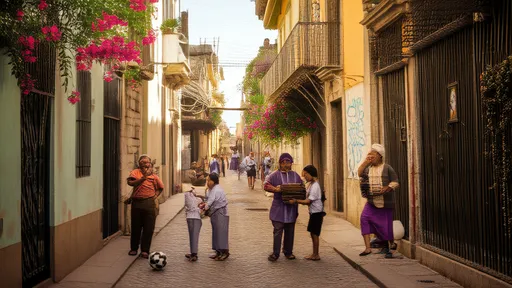
What strikes most travelers immediately is the rhythm of life here. It moves with the tides, not the clock. Shops open when they open. Meals happen when hunger calls. There’s no rush, no pressure to “see it all.” Instead, there’s an invitation to slow down. The air carries the scent of frangipani and grilled fish, mingling with the ever-present salt breeze. Children run barefoot through the sand, chasing chickens or kicking a football between palm trees. This isn’t a staged version of island living—it’s the real thing. And for many women, especially those accustomed to managing households, careers, and endless to-do lists, this simplicity feels like a balm.
The Beaches That Defy Reality
Maafushi’s coastline is not just beautiful—it’s transformative. The sand is so fine it feels like powdered silk beneath your feet, staying cool even under the midday sun. The water, clear and impossibly blue, invites wading, floating, or simply standing still, watching tiny fish dart around your ankles. Unlike the manicured beaches of luxury resorts, these shores retain a wild, unpolished charm. Seashells, coral fragments, and strands of seaweed wash up daily, reminders that this beauty is part of a living ecosystem, not a curated display.
Biyadhoo Beach on the southern edge of the island offers one of the most serene experiences. Fewer visitors come here, making it ideal for quiet reflection or a solitary walk at dawn. The tide pulls back dramatically, revealing sandbanks that stretch like ribbons into the lagoon. At low water, these temporary islands emerge—flat, white expanses surrounded by shallow turquoise pools. Standing on one feels like being at the center of the world, with nothing but sky and sea in every direction. It’s a powerful image: smallness in the face of nature’s grandeur, and yet, a deep sense of belonging.
The western shore, meanwhile, is where the island performs its daily masterpiece—sunset. As the sun dips toward the horizon, the sky ignites in layers of rose, gold, and lavender. The water mirrors the colors, turning the entire bay into a shimmering canvas. Locals and visitors alike gather along the seawall, sitting on low benches or standing in the shallows, phones lowered, eyes lifted. There’s a collective hush, a shared recognition of something sacred. These moments aren’t staged or sold; they’re free, fleeting, and profoundly moving. For women who often pour energy into others, witnessing such untouched beauty can feel like a quiet reclaiming of joy.
Underwater Wonders Within Reach
One of Maafushi’s greatest gifts is accessibility. The coral reef begins just meters from the shore, meaning snorkeling doesn’t require booking a boat or waiting for a tour. With mask and fins, any guest can swim out at high tide and enter another world. The house reef is a thriving corridor of marine life, where brain coral, staghorn coral, and sea fans sway gently in the current. Schools of anthias, neon-colored and darting like sparks, hover above the reef, while parrotfish crunch noisily on coral, their beak-like mouths a marvel of evolution.
It’s not unusual to see blacktip reef sharks gliding just below the surface, their sleek forms casting shadows on the sand. They’re shy, cautious creatures, more likely to retreat than approach. Green sea turtles are frequent visitors, too—majestic and unhurried, they glide past with ancient calm. Watching one surface for air, its head breaking the water like a slow breath, is a moment of pure awe. These encounters aren’t guaranteed, but they’re common enough to feel like part of the island’s rhythm. The water’s clarity—often exceeding 30 meters of visibility—makes every swim feel like a discovery.
Local tour operators offer guided snorkeling and diving excursions to nearby reefs and protected areas, always emphasizing responsible practices. No touching, no feeding, no souvenirs taken from the sea. These rules aren’t enforced with signs or fines but through quiet education. Guides explain how coral takes decades to grow and how a single footprint can destroy years of development. This culture of care is woven into the island’s identity. Women traveling alone or with family often appreciate this balance—adventure paired with respect, excitement tempered with awareness. It’s travel that feels good not just in the moment, but in hindsight.
Bioluminescence: Nature’s Nighttime Light Show
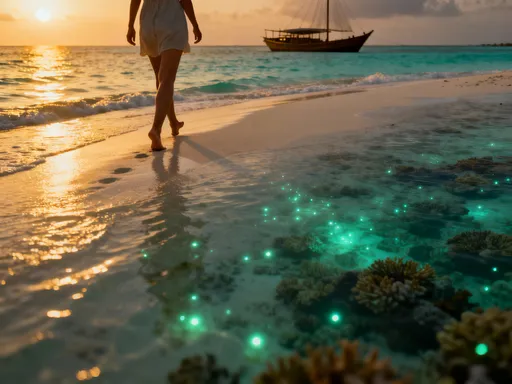
When darkness falls on Maafushi, another kind of magic begins. On calm, moonless nights—particularly during the northeast monsoon season from November to April—the shoreline comes alive with a soft, ethereal glow. Step into the water, and each movement ignites a trail of light. Swirl your hand, and it leaves behind stars. Walk along the beach, and your footprints shimmer like constellations. This is bioluminescence, caused by microscopic plankton called dinoflagellates that emit light when disturbed. It’s a natural phenomenon, not a tourist trick, and witnessing it feels like stepping into a dream.
The experience is most powerful when shared in silence. A small group might gather at the water’s edge, removing sandals and wading in slowly. Laughter bubbles up as someone splashes and sends up a burst of blue light. Children squeal with delight. Even the most reserved visitors find themselves grinning, moving their arms like swimmers in a galaxy. There are no floodlights, no loudspeakers, no staged performances—just the sound of waves and the soft glow beneath the surface. For women who spend so much time caring for others, these moments of unstructured wonder can feel like a gift.
What makes Maafushi ideal for seeing bioluminescence is its lack of light pollution. Unlike resort islands with bright villas and illuminated docks, Maafushi’s nights remain dark. Streetlights are minimal, and guesthouses use low-wattage bulbs. This darkness preserves the sky and enhances the glow in the water. It also allows for stargazing—a bonus for those who linger after the plankton fade. The Milky Way arcs overhead, clear and bright, connecting the magic below with the vastness above. It’s a reminder that beauty exists beyond what we can control or capture—it simply is, and we are lucky to witness it.
Sustainable Exploration: Choosing the Right Way
Maafushi is quietly leading a shift in how tourism can coexist with tradition and ecology. While the Maldives faces real threats from rising sea levels and plastic pollution, this island has taken tangible steps toward sustainability. Many guesthouses now use solar panels to heat water and power rooms. Single-use plastics are discouraged, with shops offering reusable bags and travelers urged to carry refillable water bottles. Some cafes have eliminated plastic straws entirely, replacing them with bamboo or paper alternatives.
Perhaps most importantly, there is a growing awareness around coral protection. Harvesting live coral is illegal, and locals take pride in preserving their reefs. Tour operators are trained in eco-guiding principles, ensuring that snorkelers and divers don’t anchor on coral or chase marine life. Even beach cleanups have become community events, with residents and visitors working side by side to collect debris washed in from distant shores. These efforts aren’t marketed heavily—they’re simply part of daily life.
Travelers can support this movement in small but meaningful ways. Choosing reef-safe sunscreen is one of the easiest actions. Many common sunscreens contain chemicals like oxybenzone and octinoxate, which can bleach and kill coral even in tiny amounts. Switching to mineral-based formulas protects both skin and sea. Another choice is to eat locally—grilled fish, fresh fruit, and coconut-based dishes not only taste better but reduce the carbon footprint of imported ingredients. Respecting local customs—such as covering shoulders and knees when walking through residential areas—also shows appreciation for the community that welcomes visitors.
For women who value responsibility as much as relaxation, Maafushi offers a rare balance. It proves that eco-conscious travel doesn’t mean roughing it or sacrificing comfort. Instead, it means traveling with intention—knowing that your presence supports, rather than strains, the place you’ve come to love. This kind of travel leaves a lighter footprint, but a deeper impression.
Beyond the Water: Island Life and Culture
While the ocean dominates the postcard image of the Maldives, Maafushi’s true soul lies on dry land, in the rhythm of daily life. Narrow footpaths, lined with hibiscus and sea grapes, wind through the island, connecting homes painted in cheerful blues, greens, and yellows. Roosters crow at dawn. Women sweep their doorsteps. Men repair fishing nets under shaded porches. There’s a quiet dignity in the way life unfolds here—simple, deliberate, and deeply rooted.
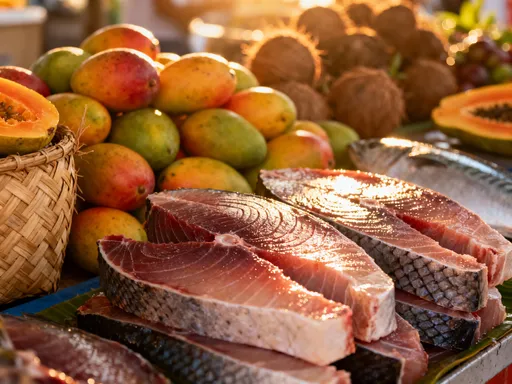
The central mosque, built from traditional coral stone, stands as a quiet landmark. Its white dome and slender minaret rise gently above the treetops, a symbol of faith and continuity. Visitors are not permitted inside, but the surrounding area is welcoming. Nearby, the local market buzzes with activity. Vendors sell ripe mangoes, jackfruit, and breadfruit, along with freshly caught tuna and snapper. Coconut water is poured straight from the shell into glasses with a sprig of mint. These small interactions—buying fruit, sharing a smile, accepting a piece of advice—are what make the island feel personal.
Children are everywhere—playing football with a plastic bottle, drawing in the sand, or riding bicycles with bells that ring like wind chimes. Elders sit in shaded corners, weaving mats from palm fronds or mending clothes. Time moves differently here, not in hours but in tides and meals and prayers. For women who navigate complex schedules and constant demands, this slower pace can feel like a reset. It’s not about doing less—it’s about being more present. A conversation over sweet Maldivian tea, shared on a low wooden bench, can feel more nourishing than any spa treatment.
This is the Maldives beyond the glossy brochures. It’s not about seaplanes or infinity pools. It’s about connection—between people, between land and sea, between visitor and host. And for women seeking not just escape but meaning, this connection is everything.
Why Maafushi Stays With You
Long after the tan fades and the seashells are tucked away, Maafushi lingers. It doesn’t shout for attention; it whispers in quiet moments—the scent of salt on your skin, the sound of waves in a dream, the memory of light beneath your feet. It stays with you because it felt real. There were no staged performances, no scripted experiences. Just the sea, the sky, and the simple act of being.
It reminds us that paradise isn’t a place of perfection. It’s alive, changing, fragile. Coral grows slowly. Tides shift daily. Sunsets never repeat. And that impermanence is what makes it precious. In a world that often feels rushed and artificial, Maafushi offers a different truth: that beauty exists in stillness, in simplicity, in the unfiltered moments we don’t plan but remember forever.
For women who carry the weight of care, who give so much of themselves, this island offers something rare—a space to receive. To float in warm water. To walk barefoot on cool sand. To sit under a sky full of stars and feel small in the best way. It doesn’t fix anything, but it restores. It doesn’t promise forever, but it offers now—pure, present, and full of grace.
And when you return home, you don’t just bring back photos. You bring back a feeling. The quiet certainty that some places are still pure. That wonder still exists. That even in the busiest chapters of life, there are islands—literal and metaphorical—where the ocean paints the sky, and the heart remembers how to breathe.