Taste of Paradise: Inside Victoria’s Unfiltered Food Soul
You know that feeling when you land in a new place and your stomach starts plotting the first meal before your suitcase even hits the floor? That was me in Victoria, Seychelles. Forget fancy resorts for a sec—this city feeds you truth, not trends. Fresh tuna so rich it tastes like the ocean’s heartbeat, chili-laced chutneys that wake up your senses, and Creole kitchens where every bite tells a generations-old story. Here, food isn’t staged for Instagram; it’s lived, shared, and deeply rooted in island life. To eat in Victoria is to understand its soul—one flavorful, unfiltered moment at a time.
Arrival in Victoria: First Bites and Cultural Whispers
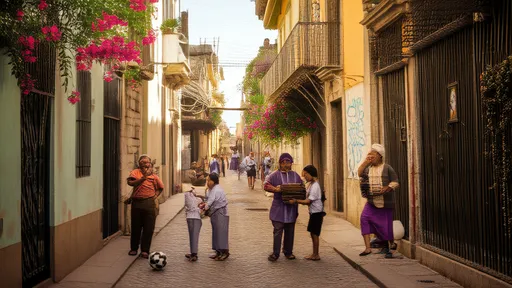
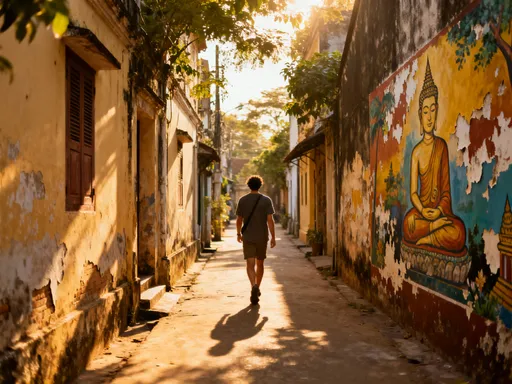
Touching down at Seychelles International Airport, the warmth hits first—not just from the tropical air, but from the unhurried rhythm of life that begins the moment you step outside arrivals. A short drive along coastal roads lined with casuarina trees brings you into Victoria, the smallest capital city in the African region. There are no skyscrapers, no sprawling boulevards—just a compact, colorful town where life unfolds at human scale. And almost immediately, the city speaks through its food.
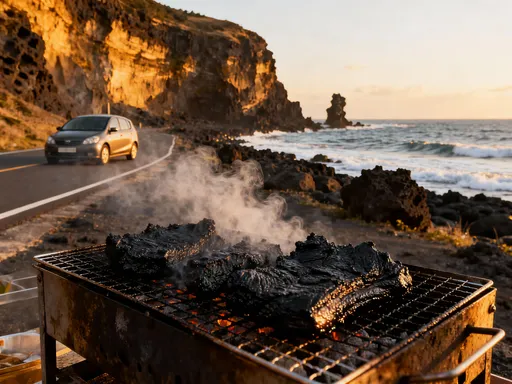
The first clues aren’t in guidebooks but in the scents carried on the breeze: wood smoke, toasted coconut, and the sharp tang of lime-marinated fish. A roadside vendor flips octopus over a charcoal grill, while a woman in a bright headscarf arranges green papayas and bitter gourds on a wooden stall. These aren’t curated experiences; they’re the everyday pulse of Victoria, where cooking and eating are inseparable from community, history, and survival.
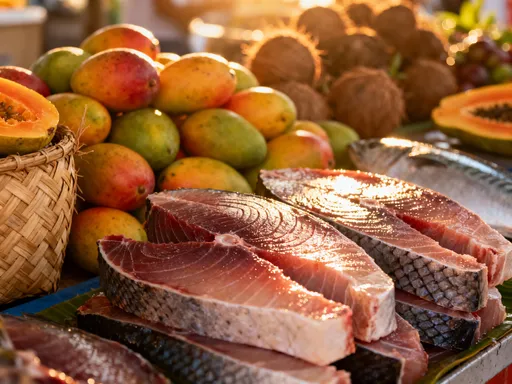
At the heart of it all stands the Sir Selwyn Selwyn-Clarke Market, a vibrant hub that has served the island since the late 19th century. Walking through its wide aisles is like stepping into a living museum of flavor. Stalls overflow with jackfruit the size of toddlers, bundles of fragrant pandan leaves, and baskets of cinnamon bark still warm from the sun. Fishmongers display their morning catch—glossy-eyed red snapper, silvery mackerel, and thick slabs of yellowfin tuna—each piece a testament to the island’s deep connection to the sea. This is where travelers begin their real education in Seychellois cuisine: not in a classroom, but among the people who live it every day.
What makes this arrival experience so powerful is its authenticity. There’s no performance here, no attempt to impress. The food is not altered for foreign palates. Instead, it invites you in—on its own terms. A child offers a slice of ripe mango from a roadside table; an elder explains how turmeric root fights inflammation. These small exchanges aren’t just transactions—they’re introductions to a culture that values generosity, knowledge, and the simple joy of sharing a good meal.
The Heartbeat of Creole Cooking: Flavors That Tell a Story
Seychellois Creole cuisine is not just food—it’s a narrative written in spices, simmered in coconut milk, and served with pride. Born from centuries of cultural fusion, this culinary tradition blends African, French, Indian, and Chinese influences into something uniquely island-born. It’s a cuisine shaped by necessity, creativity, and the generosity of the tropics, where every dish carries echoes of the past and a promise of continuity.
At the core of Creole cooking are a few foundational ingredients: fresh fish, coconut, chilies, garlic, ginger, and lime. These are not mere seasonings—they are the pillars of flavor. A typical meal might begin with *rougaille*, a rich tomato-based stew simmered with onions, thyme, and a kick of scotch bonnet pepper. Served with rice or ladled over grilled fish, it’s hearty, aromatic, and deeply satisfying. Then there’s *chatini*, a spicy relish made from chopped fruit—often mango, papaya, or even green apple—tossed with chilies, onions, and lime juice. It’s bright, bold, and impossible to eat just once.
One of the most beloved dishes, *ladob*, reveals the soul of Creole resourcefulness. Traditionally made with plantains or breadfruit slow-cooked in coconut milk, sugar, and vanilla, it can be savory or sweet depending on the fruit used. When made with ripe plantains, it becomes a warm, comforting dessert, often served at family gatherings. When prepared with green plantains and salted fish, it transforms into a savory staple, rich with umami depth. The dish is typically wrapped in banana leaves before cooking, which imparts a subtle earthiness and keeps the ingredients moist and fragrant.
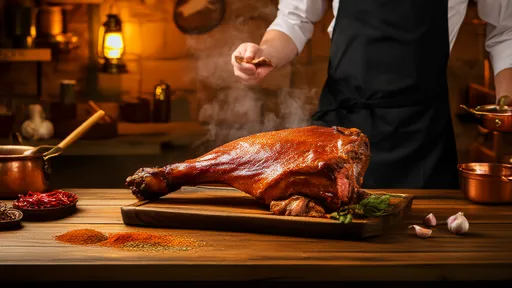
These dishes are more than recipes—they’re acts of preservation. Many are passed down orally, especially from mother to daughter, and cooked in homes where modern appliances are secondary to instinct and memory. The techniques are simple but precise: slow simmering, careful balancing of heat and acidity, and respect for each ingredient’s natural flavor. There’s no need for elaborate plating or exotic garnishes. The food speaks for itself, and its language is one of warmth, history, and belonging.
Street Eats & Hidden Kitchens: Where Locals Really Eat
If you want to taste the real Victoria, you won’t find it in hotel dining rooms. You’ll find it on porches, under tin awnings, and at fold-out tables tucked between pastel-painted houses. These are the hidden kitchens—unmarked, unadvertised, and deeply cherished—where Seychellois go for lunch, supper, or a late-night snack when only home-style food will do.
One such spot, known only by word of mouth, serves *boulette de poisson*—hand-rolled fish dumplings made from finely minced tuna or jobfish, mixed with herbs, onion, and a touch of chili, then deep-fried until golden. They’re served in paper cones with a side of tangy tamarind chutney, and they disappear fast. The woman who makes them, Madame Renée, has been frying them every Thursday for over thirty years. “People know when I’m here,” she says with a smile. “They don’t need a sign.”
Another favorite is the buttery shark chutney roll, a humble sandwich that packs a punch. Flaked smoked shark is mixed with a fiery blend of onions, chilies, and mustard, then tucked into a soft, slightly sweet bread roll. It’s messy, bold, and utterly addictive. You’ll find it at small takeaway counters near the harbor, often sold by older women who’ve been making the same recipe for decades. These vendors don’t take shortcuts. The shark is cured slowly, the chutney fermented just long enough to develop complexity, and the rolls baked fresh each morning.
What makes these places special isn’t just the food—it’s the trust. Locals return because they know exactly what they’re getting: consistency, flavor, and care. There’s no menu to scan, no waiter to interpret your needs. You point, you pay, you eat. And in that simplicity lies a kind of intimacy that’s rare in modern dining. These kitchens are often run by matriarchs who view cooking as both a duty and a joy. Their recipes aren’t written down; they’re measured by pinch, taste, and memory. To eat here is to be welcomed into a private world—one that doesn’t seek attention but rewards those who seek it out.
Seafood Straight from the Source: From Boat to Plate
In Victoria, the ocean isn’t just a backdrop—it’s the main ingredient. Most of the fish consumed locally is caught within a day’s journey from shore, often by small-scale fishers who head out at dawn in wooden dories powered by outboard motors. These fishermen follow traditional routes, reading the tides and clouds to find the best spots. Their catch is brought straight to the market, where it’s sold within hours of landing.
Yellowfin tuna is king here, prized for its deep red flesh and rich, buttery texture. It’s often grilled over open flame, brushed with lime juice and a sprinkle of salt, then served with a side of fried plantains and a spoonful of *chatini*. The simplicity is the point—when fish is this fresh, it doesn’t need much else. Other common catches include jobfish, red snapper, and emperor fish, all of which appear regularly in stews, curries, and grilled preparations.
The connection between sea and plate is not just culinary—it’s cultural and environmental. Many Seychellois take pride in sustainable fishing practices, avoiding overfished species and respecting seasonal bans. There’s a deep understanding that the ocean provides, but only if it’s treated with care. This respect extends to the market, where vendors often know the names of the fishermen who supplied their fish. It’s not uncommon to hear a vendor say, “This tuna came in with Jean this morning—he got it near Ste. Anne Island.”
For visitors, learning to choose fresh seafood is part of the experience. Look for clear, bright eyes in whole fish, firm flesh that springs back when touched, and a clean, oceanic smell—never fishy. Grilled fish is best eaten the same day it’s caught, and in Victoria, that’s almost always possible. Some guesthouses and local restaurants even offer “catch-of-the-day” specials, where you can select your fish from a tray and have it prepared to order. It’s dining at its most direct and honest.
Markets as Culinary Classrooms: A Tour of Sir Selwyn Selwyn-Clarke Market
The Sir Selwyn Selwyn-Clarke Market is more than a place to buy food—it’s a living classroom where travelers can learn the alphabet of Seychellois cuisine. Open daily but busiest in the morning, the market is divided into sections: produce, fish, spices, baked goods, and handicrafts. Each stall is a lesson in seasonality, tradition, and local preference.
The fruit and vegetable section is a riot of color and texture. Towering jackfruits rest beside spiky rambutans and fuzzy passionfruit. Bunches of green bananas hang like chandeliers, while baskets of turmeric and ginger root speak to the island’s Indian culinary roots. Breadfruit, a staple in Creole cooking, is sold whole or already sliced, ready for frying or boiling. Vendors are often eager to share tips—how to pick a ripe soursop, why green papaya is better for chutney, or which type of chili brings heat without burning.
The fish hall is where the market truly comes alive. Stainless steel counters glisten under overhead lights as vendors clean and fillet the morning’s catch. It’s not for the faint of heart, but it’s honest and educational. Watching a fishmonger break down a large tuna gives you a new appreciation for the skill involved in preparing seafood. Many vendors will even offer samples—grilled snippets of fish with a dab of chutney—to help you decide.
The spice section is a treasure trove. Locally grown vanilla pods, hand-rolled cinnamon sticks, and dried chilies hang in bundles. You’ll also find *massalé*, a Creole spice blend that typically includes cumin, coriander, cloves, and fenugreek—used to flavor stews and curries. Buying spices here means supporting small farmers and preserving traditional knowledge. And because they’re often sold in small quantities, you can experiment without waste.
For the best experience, arrive early—between 7:00 and 9:00 a.m.—when the market is at its freshest and most active. Bring cash, wear comfortable shoes, and don’t be afraid to ask questions. A simple “What do you recommend?” can lead to a ten-minute conversation and a new favorite dish. Most importantly, engage with respect. These vendors are not performers; they’re professionals who take pride in their work. A smile, a thank you, and a willingness to learn go a long way.
Beyond the Plate: Food as Culture, Connection, and Continuity
In Victoria, meals are never just about sustenance. They are moments of connection—between generations, between neighbors, between the past and the present. A Sunday lunch isn’t complete without a large pot of *rougaille* and a platter of grilled fish, shared among extended family. During festivals like Creole Day or National Day, communities come together to prepare massive feasts, where elders teach children how to peel breadfruit or wrap *ladob* in banana leaves.
Women, in particular, play a central role in preserving culinary traditions. Grandmothers pass down recipes during long afternoons in the kitchen, while mothers adapt them for modern life. Cooking is seen not just as a skill, but as a form of love and responsibility. A well-prepared meal is a sign of care, hospitality, and cultural pride. Even as global influences enter the island—through supermarkets, social media, and tourism—the core of Creole cooking remains intact, protected by those who see it as part of their identity.
Globalization does bring challenges. Younger generations may prefer fast food or international dishes, and imported goods can be cheaper than local produce. But there’s also a growing movement to reclaim and celebrate traditional cuisine. Cooking competitions, food festivals, and community workshops are helping to keep these traditions alive. Schools are beginning to include Creole cooking in their programs, ensuring that the next generation grows up knowing how to make *boulette* or balance the flavors of a proper *chatini*.
Food, in this context, becomes a bridge. It connects the island to its roots while allowing space for evolution. It welcomes visitors without losing its essence. To share a meal in Victoria is to be included in something meaningful—a culture that feeds the body and the soul.
How to Eat Like You Belong: A Traveler’s Guide to Respectful Exploration
For visitors, engaging with Victoria’s food scene is one of the most rewarding ways to experience the island. But to truly connect, it’s important to approach with humility, curiosity, and respect. Eating like a local doesn’t mean copying behavior—it means understanding the context behind it.
Start by slowing down. Meals in Victoria are not rushed. Sit at a roadside table, accept a cup of strong black tea from a vendor, and take time to observe. Ask questions, but do so politely. Instead of “What’s this?” try “Could you tell me about this dish?” Most locals are happy to share, especially when they sense genuine interest.
When trying street food, look for busy spots—high turnover means fresh ingredients. Wash your hands before eating, and don’t be afraid to use your fingers; many dishes are meant to be eaten by hand. If you’re unsure about spice levels, ask for “less chili” or try a small bite first. And never waste food. In a place where resources are valued, leaving a full plate is seen as disrespectful.
Support small vendors whenever possible. Buy from market stalls, family-run takeaways, and local guesthouses that serve home-cooked meals. Your spending goes directly into the community, helping to sustain the very traditions you’ve come to enjoy. Avoid exoticizing the food—phrases like “weird” or “daring” can offend. These dishes are normal, beloved, and deeply meaningful to the people who eat them every day.
Finally, eat with gratitude. Whether you’re savoring a simple grilled fish at a beachside shack or sharing *ladob* with a host family, remember that you’ve been welcomed into a rich cultural tradition. To eat in Victoria is not just to taste food—it’s to participate in a story of resilience, creativity, and connection.
Conclusion
Victoria’s food scene isn’t performative—it’s lived. To eat here is to be invited into a story centuries in the making. From the market’s morning buzz to the last bite of warm *ladob* at dusk, every flavor carries meaning. This is cuisine without pretense, rich in history, and full of heart. The recipes are not guarded secrets but shared legacies. The kitchens are not stages but sanctuaries of memory and love. For travelers seeking truth on a plate, Seychelles’ capital offers a rare gift: a taste of paradise, unfiltered. It’s not about luxury or novelty. It’s about authenticity, connection, and the quiet joy of a meal made with care. Come hungry. Leave changed.