Unseen Austria: Where Graz’s Wild Landscapes Become Your Lens’s Dream
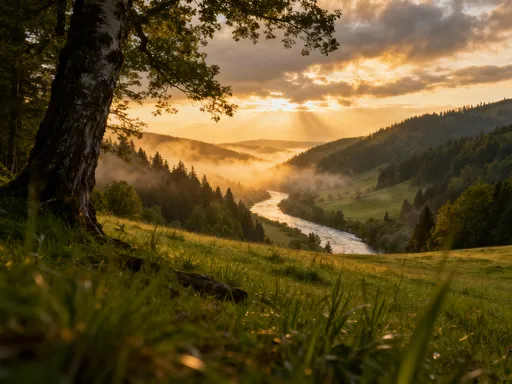
You know that feeling when nature just slaps you in the face with beauty? Yeah, that’s Graz’s outdoors. I’m talking misty hills, emerald forests, and rivers so clear they look filtered by Photoshop. Most folks come for the architecture, but honestly? The real magic spills beyond the city. If you’ve got a camera and a soul, these natural escapes near Graz will make you hit “capture” on pure awe—no filter needed. Austria’s second-largest city often flies under the radar compared to Vienna, yet its surrounding landscapes offer some of Europe’s most underappreciated photographic opportunities. This isn’t just scenic tourism—it’s visual storytelling at its finest, where every turn reveals light, texture, and stillness worth preserving.
Why Graz Is More Than a City Break
Graz wears many hats: a UNESCO World Heritage city with baroque spires and modern art installations, a university hub buzzing with intellectual energy, and a culinary hotspot in the heart of Styria. Yet, for all its urban accolades, the true essence of Graz extends far beyond cobblestone alleys and rooftop terraces. Just minutes from the city center, the terrain rises into a patchwork of forested hills, river valleys, and alpine foothills that feel worlds away. These landscapes are not merely scenic add-ons to a city itinerary—they are the soul of the region, offering depth, contrast, and visual rhythm that few European cities can match.
What sets Graz apart is accessibility. Unlike remote mountain destinations requiring long drives or specialized gear, the natural wonders around Graz are within easy reach. Whether you're on foot, bike, or car, you can transition from urban sidewalks to forest trails in under 30 minutes. This proximity means photographers can chase golden hour not once, but twice—once over the city’s copper domes, and again over the rolling hills of the Styrian countryside. The terrain here is diverse: gentle slopes carpeted in wild herbs, steep ravines carved by ancient glaciers, and meadows that glow in the late afternoon sun. Each elevation change brings a new palette of greens, browns, and blues, ideal for layered compositions.
Moreover, these areas remain refreshingly uncrowded. While cities like Salzburg or Innsbruck draw massive tourist flows, Graz’s surrounding nature retains a sense of intimacy. You won’t find selfie sticks blocking your shot at every bend. Instead, you’ll encounter locals walking dogs, farmers tending livestock, or hikers pausing to breathe in the pine-scented air. This authenticity enhances the photographic experience—there’s no staging, no artificiality. The light falls naturally, the water flows freely, and the seasons unfold without interference. For photographers seeking genuine moments, this is a rare gift.
The Mur River: A Moving Frame
The Mur River is more than Graz’s lifeblood—it’s a living canvas. Flowing from the Hohe Tauern mountains all the way to the Danube, this serpentine waterway cuts through the city with quiet grace before fanning into wilder, more secluded stretches just beyond the urban edge. For photographers, the river offers an ever-changing subject: one moment it’s a mirror reflecting Gothic steeples, the next it’s a rushing torrent framed by moss-covered boulders. The key is knowing where—and when—to point your lens.
Within the city, the Murpromenade provides a smooth, well-maintained path ideal for urban-nature fusion shots. Early morning here delivers soft, diffused light that dances across the water’s surface, especially when fog lingers just above the current. Long exposures turn the flow into silky ribbons, while reflections of the Kunsthaus or the Murinsel create surreal, dreamlike compositions. Use a tripod and a neutral density filter to extend shutter speed, and shoot in RAW to preserve highlight and shadow details. The interplay of modern architecture and natural movement makes this stretch uniquely compelling.
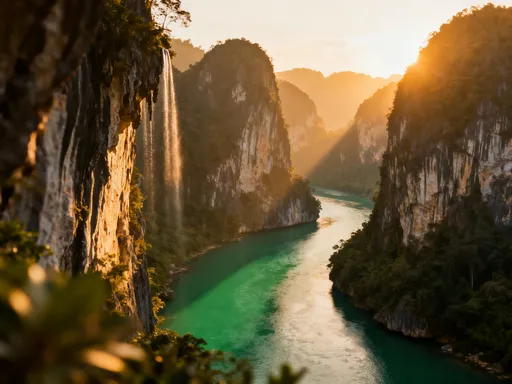
But the real photographic gold lies upstream. As the river climbs into the foothills, the water clears to an almost supernatural transparency. Rapids form where the gradient steepens, creating frothy whitecaps perfect for action shots. A fast shutter speed—1/1000th of a second or higher—can freeze individual droplets mid-air, capturing the energy of the flow in stunning detail. Wider angles reveal the river carving through narrow gorges, flanked by ferns and ancient beech trees. In autumn, the surrounding foliage ignites in shades of crimson and gold, and the river becomes a liquid mirror of the season’s fire.
Drone photography, where permitted, unlocks another dimension. The Mur’s meandering path through forested valleys creates hypnotic patterns, especially when backlit by late afternoon sun. Always check local regulations—some zones near protected wetlands or private property prohibit drone use—but in approved areas, aerial shots can transform a simple river into a sweeping narrative of land and water in conversation.
Schöckl Mountain: Above the Clouds, Into the Light
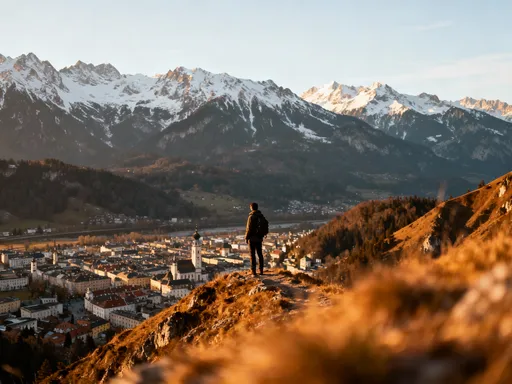
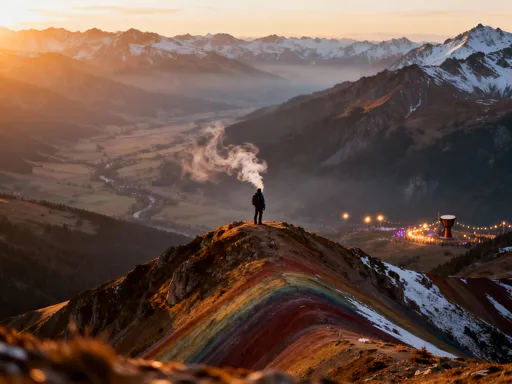
Rising to 1,445 meters, Schöckl Mountain is Graz’s rooftop—and one of its best-kept secrets. A short 20-minute drive from the city center, this peak offers panoramic views that stretch across Styria and into neighboring Slovenia on clear days. But its real allure lies in its atmosphere. Weather shifts rapidly here, turning calm mornings into mist-shrouded scenes worthy of a Renaissance painting. For photographers, Schöckl is less a destination and more a mood machine—one that delivers drama, contrast, and light in unpredictable, exhilarating ways.
The summit, accessible by car or a well-marked hiking trail, features a 360-degree vantage point perfect for wide-angle lenses. Sunrise is the most coveted time. As the first rays hit the peak, the valley below remains submerged in a sea of clouds, creating the illusion of floating above the world. Use a graduated neutral density filter to balance the bright sky with the darker landscape below, and shoot in bracketed exposures to ensure dynamic range. The interplay of light and shadow during this hour is unmatched—golden beams slice through fog, illuminating patches of forest like spotlights on a stage.
Trails around Schöckl vary in difficulty, offering different photographic textures. The lower paths wind through dense pine forests where shafts of sunlight pierce the canopy, creating natural spotlights on moss-covered logs and ferns. Mid-level meadows burst with wildflowers in summer—gentians, edelweiss, and alpine daisies—while rocky outcrops near the summit provide stark, minimalist compositions. The contrast between smooth stone and jagged rock formations adds visual tension, especially when backlit by late-day sun.
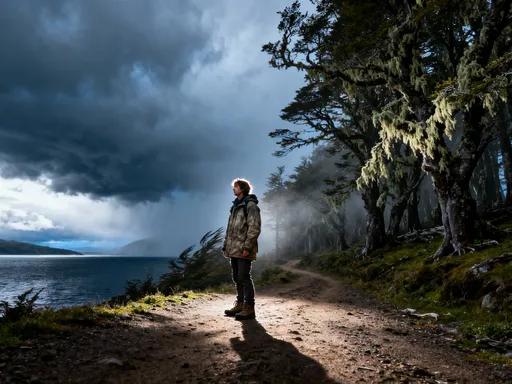
Weather awareness is crucial. Storms can roll in quickly, but they also bring the most cinematic conditions. Dark clouds gathering over the valley, lightning in the distance (captured safely with long exposures), or sudden sunbreaks after rain—all of these create moments no studio could replicate. Always carry waterproof gear, extra batteries (cold drains power fast), and a lens cloth. The mountain’s microclimate means you might start in sunshine and end in sleet, but that unpredictability is precisely what makes Schöckl so rewarding.
Kastneralm & the Fischbach Alps: Hidden Valleys, Raw Beauty
If Schöckl offers drama, Kastneralm delivers stillness. Nestled in the Fischbach Alps about an hour’s drive from Graz, this high-altitude pasture feels like a world forgotten by time. Reached by a narrow, winding road or a moderate three-hour hike, Kastneralm is the kind of place where sound travels slowly—cowbells echo through morning fog, birds call from unseen perches, and the wind moves through long grass like a whispered secret. For photographers, this is slow photography at its purest: a place where patience yields rewards no burst mode can capture.
Summer transforms Kastneralm into a tapestry of color. Wildflowers blanket the fields—purple knapweed, yellow hawkweed, and white yarrow—creating a mosaic that shifts with the light. Early morning is magic here. Dew clings to spiderwebs, turning them into delicate chandeliers, while mist rolls in low, softening edges and adding depth to compositions. Use a macro lens to capture the intricate details: a drop of water on a petal, the texture of a cowbell’s rust, the pattern of hoofprints in damp soil. These small moments, when framed with care, tell a larger story of harmony between land and life.
The alpine huts scattered across the pasture add human scale without disrupting the serenity. Built from local wood and stone, they blend into the landscape, their smoke curling upward in thin, grey spirals. Photograph them at dawn, when the first light warms their roofs while the rest of the valley remains in cool shadow. The contrast between warmth and coolness, structure and nature, adds emotional weight to your images.
What makes Kastneralm truly special is its lack of crowds. Unlike more famous alpine destinations, this area sees few tourists. You might share the trail with a local herder or a pair of hikers, but more often, you’ll have the valley to yourself. That solitude fosters a deeper connection to the place—one that shows in your photos. When no one is rushing you, you start to see more: the way light moves across a slope, the subtle shift in wind direction, the quiet dignity of an old wooden fence leaning into the hillside. These are the frames that linger in memory long after the SD card is full.
Landscape Seasons: When to Shoot What
The region around Graz doesn’t just change with the weather—it transforms with the seasons. Each of the four brings its own visual language, its own light, its own reasons to pack your gear and head out. Understanding this rhythm is key to maximizing your photographic potential. While summer may seem ideal, the shoulder seasons—spring and autumn—often deliver the most compelling conditions, and even winter, with its monochrome stillness, offers unique opportunities.
Spring, from late March to early June, is a season of renewal. Snowmelt feeds countless small streams, turning dry ravines into cascading waterfalls. The hillsides explode with fresh greenery, and the air carries the scent of damp earth and budding leaves. This is the time for long exposures of flowing water, framed by emerging foliage. Early risers are rewarded with frost-covered grass and lingering valley fog, especially at higher elevations. A polarizing filter helps cut glare from wet surfaces, while a tripod ensures sharpness in lower light.
Summer, from June to August, brings long days and intense blue skies. The alpine meadows are in full bloom, and the forests are dense and vibrant. Golden hour stretches later into the evening, offering warm, low-angle light that enhances texture and depth. However, midday sun can be harsh, creating strong contrasts and blown-out highlights. To avoid this, shoot during the “shoulder hours”—just after sunrise and before sunset—or seek shaded areas like forest interiors where light is diffused and even.
Autumn, from September to November, is arguably the most photogenic season. The Styrian hills turn into a patchwork of amber, gold, and rust. The Mur River reflects these colors like liquid fire, and the air gains a crisp clarity that enhances distant views. Fog returns, adding mystery to compositions, while morning frost sparkles on fallen leaves. This is prime time for drone photography, as the contrast between warm foliage and cool shadows creates dramatic aerial patterns. Pack a lens warmer or hand warmer to prevent condensation when moving between temperature zones.
Winter, from December to February, may seem inhospitable, but it rewards the prepared photographer. Snow dusts the peaks and clings to tree branches, turning forests into black-and-white studies in form and contrast. Icicles form along rock faces, and frozen streams create abstract patterns perfect for close-ups. The light is softer, the shadows longer, and the silence profound. Just be sure to dress in layers, protect your gear from moisture, and allow extra time for battery changes—cold drains power quickly. A thermal camera wrap can help, as can keeping spare batteries close to your body.
Photography Tips for Graz’s Wild Side
Capturing Graz’s natural beauty isn’t just about having the right camera—it’s about having the right approach. The terrain is varied, the weather unpredictable, and the light fleeting. Success comes from preparation, patience, and respect for the environment. Whether you’re using a DSLR, mirrorless, or high-end compact, these practical tips will help you make the most of every moment.
First, invest in a polarizing filter. This single accessory can dramatically improve your landscape shots by reducing glare on water and foliage, deepening blue skies, and enhancing color saturation. It’s especially useful along the Mur River or in sun-drenched meadows where reflections can wash out details. Rotate the filter to find the optimal effect, but be mindful that it reduces light intake, so you may need to adjust shutter speed or ISO accordingly.
A lightweight, sturdy tripod is non-negotiable. Many of the best shots—long exposures, low-light scenes, macro work—require absolute stability. Look for one that’s easy to carry but solid enough to withstand wind. Carbon fiber models offer a good balance of weight and durability. When setting up, avoid disturbing vegetation or trampling fragile alpine plants. Use established paths and viewing platforms whenever possible.
Drone use is growing in popularity, but it’s tightly regulated. In Austria, drones above 250 grams require registration, and flying is prohibited in national parks, nature reserves, and near populated areas without permission. Always check local ordinances before launching. When permitted, drones can reveal breathtaking perspectives—the Mur’s curves through autumn forests, Schöckl’s summit bathed in dawn light—but never at the expense of privacy or safety.
Shoot in RAW format. This gives you maximum flexibility in post-processing, especially in high-contrast mountain environments where shadows and highlights can be extreme. While JPEGs are convenient, they discard data that RAW files preserve, allowing you to recover details in overexposed skies or underexposed shadows. Pair this with manual white balance to maintain color accuracy across changing light conditions.
Finally, keep a weather app open at all times. Mountain weather changes fast. A sunny morning can turn into a thunderstorm by noon. While storms create dramatic skies, they also pose risks. Know when to retreat, and never compromise safety for a shot. Pack a waterproof cover for your gear, and consider a lens cloth treated for anti-fog if moving between cold and warm zones.
Beyond the Viewfinder: Why These Places Stay With You
Photography is often seen as a technical pursuit—settings, lenses, post-processing. But in places like the landscapes around Graz, it becomes something deeper. It becomes a form of presence. When you’re waiting for the fog to lift over Kastneralm, or watching the first light hit Schöckl’s peak, or listening to the Mur’s quiet flow at dawn, you’re not just capturing images. You’re reconnecting—with nature, with stillness, with yourself.
These are the moments that stay with you long after the trip ends. Not the likes on social media, not the gear you used, but the feeling of standing alone in a misty valley as the world wakes up. The photo of a dew-covered spiderweb isn’t just a pretty image—it’s a reminder of fragility, of beauty in the smallest things. The shot of a lone heron by the river isn’t just composition and timing—it’s a moment of wild grace, unposed and unrepeatable.
That’s the real gift of Graz’s wild side. It doesn’t just feed your camera card—it feeds your spirit. In a world that moves too fast, these landscapes offer permission to slow down, to look closely, to breathe. They remind us that beauty doesn’t need staging. It doesn’t need filters. It simply exists, waiting to be witnessed.
So charge your battery. Lace up your boots. Pack your tripod, your filters, and your sense of wonder. Graz’s natural escapes are not just destinations—they’re invitations. To see more. To feel more. To capture not just what the world looks like, but what it feels like to be alive within it. The lens is just the beginning. The real journey is the stillness you find along the way.