You Won’t Believe What Happens When You Hike Whistler During Festival Season
Hiking in Whistler isn’t just about mountain trails and fresh alpine air—when festival season hits, the whole wilderness seems to come alive. I remember reaching the summit at golden hour, sweat-stained and breathless, only to hear live drumming echoing through the valleys. Suddenly, it wasn’t just a trek—it was a celebration. That’s the magic of Whistler: where nature meets culture in the most unexpected ways. If you think hiking here is just about views, wait until you experience it with festivals pulsing through the peaks. The rhythm of traditional drumming, the scent of wood-fired food stands, and the laughter of families gathered in alpine meadows transform an ordinary hike into a story worth telling for years.
Why Whistler? The Allure of Mountain Meets Culture
Whistler, British Columbia, is globally celebrated as a winter sports haven, but its summer identity is equally compelling—perhaps even more soulful. Nestled in the Coast Mountains, about 120 kilometers north of Vancouver, Whistler transforms from a snow-dusted playground into a lush, green sanctuary buzzing with life when the snow melts. Towering evergreens, glacial lakes, and alpine meadows set the stage for one of North America’s most dynamic outdoor destinations. But what truly distinguishes Whistler from other mountain towns is its seamless fusion of wild nature and vibrant cultural expression.
Unlike many alpine communities that quiet down after ski season, Whistler thrives in the warmer months with a calendar packed with events that honor both the land and its people. The town doesn’t just offer access to nature—it invites you to engage with it through music, food, storytelling, and community gatherings. This synergy between environment and culture creates a rare travel experience: one where adventure isn’t separate from artistry, but enhanced by it. For families, solo travelers, and outdoor enthusiasts alike, Whistler becomes more than a destination—it becomes a living, breathing celebration of place.
The region’s deep respect for Indigenous heritage further enriches this cultural layer. The Squamish and Lil’wat Nations have lived in harmony with these mountains for thousands of years, and their presence is woven into the fabric of Whistler’s summer events. From guided cultural walks to traditional carving demonstrations, visitors gain insight into a worldview where land is not just scenery, but sacred. This authenticity resonates deeply, especially for travelers seeking meaningful connections beyond surface-level tourism. When you hike Whistler during festival season, you’re not just passing through nature—you’re stepping into a living story.
Festival Fever: What Makes Whistler’s Events Special
Whistler’s festival season, which typically runs from late June through early September, is a carefully curated blend of music, food, art, and cultural heritage. Unlike large commercial festivals that feel disconnected from their surroundings, Whistler’s events are designed to complement the natural environment. They are held in open meadows, beside shimmering lakes, and in forest clearings where the scent of pine mingles with the aroma of grilled local fare. The programming emphasizes sustainability, community participation, and artistic authenticity, creating experiences that feel organic rather than staged.
One of the standout events is the Whistler Children’s Festival, a family-friendly celebration that fills the village with interactive art installations, puppet shows, and outdoor storytelling. Children paint murals on biodegradable canvases, build fairy houses from natural materials, and dance to live acoustic sets—all within earshot of rushing mountain streams. The festival’s location near Lost Lake Park means families can easily combine a short hike with a full day of creative play, making it ideal for parents seeking enriching, screen-free activities.
Equally compelling is the Peak to Green Festival, which celebrates environmental stewardship through live music, zero-waste workshops, and guided eco-tours. Performances often take place on solar-powered stages, and local chefs demonstrate how to prepare meals using foraged ingredients—always with a strong emphasis on respecting seasonal and sustainable practices. Attendees might find themselves learning about native plants from a Lil’wat elder before joining a group hike to a nearby waterfall where a string quartet performs in the open air.
Music lovers are drawn to the Whistler Live! Outdoor Concert Series, which features everything from folk and jazz to Indigenous drumming circles. These concerts are intentionally low-impact, with no loud amplification that could disturb wildlife. Instead, acoustic sets are held at dusk in amphitheater-like clearings, where the natural acoustics amplify sound and the setting sun paints the peaks in gold and rose. The atmosphere is intimate, communal, and deeply moving—especially when a hiker arrives straight from the trail, still catching their breath, and finds themselves part of an impromptu singalong under the stars.
Hiking Trails That Lead to the Heart of the Action
What makes Whistler’s festival-season hiking so unique is how seamlessly the trails connect to the events. Rather than requiring long drives or shuttle rides, many of the most popular routes terminate within walking distance of festival hubs, allowing hikers to transition directly from nature to celebration. This integration encourages a slower, more immersive way of traveling—one where the journey and the destination are equally important.
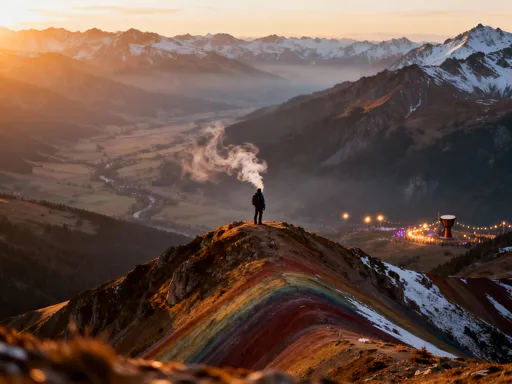
The Rainbow Mountain Trail is one of the most iconic hikes in the region and a favorite during festival season. Starting at the Daisy Lake parking area, this 12-kilometer round-trip trek gains about 750 meters in elevation, making it moderately challenging but manageable for fit hikers. The trail winds through dense forest before emerging into alpine meadows carpeted with wildflowers in summer. The final ascent offers panoramic views of the Coast Mountains, and on festival days, it’s not uncommon to hear distant music drifting up from the valley below. The trail’s endpoint is within a 20-minute walk of the Squamish Lil’wat Cultural Centre, where many festival events take place, making it easy to pair a morning hike with an afternoon of cultural exploration.
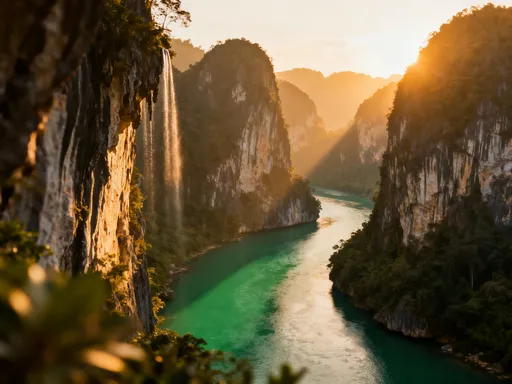
Another excellent option is the Garibaldi Lake Trail, a 18-kilometer round trip that gains nearly 900 meters in elevation. While more demanding, this hike rewards visitors with one of the most breathtaking alpine lakes in British Columbia. The turquoise waters, framed by snow-capped peaks and ancient glaciers, create a scene that feels almost otherworldly. During festival season, Parks Canada and local organizers often host small interpretive events near the lake—think naturalist talks, plein air painting sessions, or quiet meditation circles. These gatherings are intentionally low-key, preserving the tranquility of the environment while deepening visitors’ appreciation for the landscape.
For those seeking a gentler experience, the Lost Lake Loop offers a flat, family-friendly path around a serene forest lake. At just under 5 kilometers, it’s accessible to hikers of all ages and abilities. The trail is well-marked, shaded, and frequently used by locals for morning jogs and evening strolls. During the Whistler Children’s Festival, the area becomes a hub of activity, with face painting, craft stations, and pop-up food trucks. Parents can hike with strollers, let children explore designated play zones, and enjoy a lakeside picnic—all without leaving the embrace of the forest.
Sync Your Stride: Planning a Hike-Festival Day
Combining a hike with festival attendance requires thoughtful planning, but the rewards are well worth the effort. The key is to align your trail time with event schedules to avoid fatigue and overcrowding. Most festivals in Whistler begin in the late morning and continue through early evening, so starting your hike at dawn or early morning ensures you reach your destination refreshed and ready to participate.
For example, if you plan to attend a noon performance at the Squamish Lil’wat Cultural Centre, aim to begin the Rainbow Mountain Trail by 7:00 a.m. This allows approximately four hours for the round trip—ample time to enjoy the summit, take photos, and descend at a relaxed pace. Arriving back by 11:30 a.m. gives you time to hydrate, snack, and walk to the festival site without rushing. Packing a lightweight backpack with water, energy-rich snacks, a rain jacket, and an extra layer is essential, as mountain weather can shift quickly even in summer.
Whistler’s public transit system, operated by BC Transit, is another valuable resource. The village is well-connected to trailheads via frequent shuttle buses, reducing the need for parking and minimizing environmental impact. The Route 12 and Route 22 buses serve key access points like Daisy Lake and the Whistler Train Wreck trailhead, and they run every 30 minutes during peak season. Using transit also means you can leave your car behind and enjoy the full experience without worrying about logistics.
Another smart strategy is to prioritize shorter hikes on days with multiple festival events. The Lost Lake Loop or the easy trail to Rainbow Falls can be completed in under two hours, leaving the rest of the day free for cultural activities. Conversely, if you’re set on tackling Garibaldi Lake, consider making it a standalone adventure and attending a festival the following day. This pacing prevents burnout and allows you to fully absorb each experience.
The Unexpected Perks of Festival-Season Hiking
Hiking during Whistler’s festival season comes with delightful surprises that elevate the entire experience. One of the most appreciated additions is the presence of pop-up food stands along major trails and near festival sites. These vendors offer healthy, locally sourced options—think wild salmon wraps, berry smoothies, and gluten-free muffins—providing hikers with nutritious refueling options that align with an active lifestyle. Unlike typical concession stands, these are often run by local chefs or food entrepreneurs committed to sustainability, using compostable packaging and sourcing ingredients from nearby farms.
Another unexpected benefit is the availability of free wellness activities hosted at festival venues. After a long hike, visitors might find a restorative yoga session unfolding on a grassy field near the base of Whistler Mountain. Led by certified instructors, these classes are designed to help hikers stretch tight muscles, improve circulation, and reconnect with their breath. Similarly, guided meditation circles are sometimes held at sunset beside lakes or in forest clearings, offering a peaceful way to reflect on the day’s journey.
Perhaps most enchanting are the impromptu musical performances that occur at scenic viewpoints. A solo cellist might play near the Garibaldi Lake dock, or a folk duo could set up near the top of the Rainbow Trail. These moments are unannounced and fleeting, making them feel like gifts from the mountain itself. They transform a moment of rest into a profound sensory experience, where the beauty of nature is amplified by the beauty of human expression.
From a safety perspective, festival season also brings increased trail presence. More hikers, volunteers, and park staff mean quicker response times in case of minor injuries or emergencies. First aid stations are often set up near major trailheads, and many festival volunteers are trained in wilderness first response. This added layer of support allows families and solo hikers alike to explore with greater peace of mind.
Local Secrets: Where to Recharge and Reconnect
After a full day of hiking and festival exploration, knowing where to unwind is crucial. Whistler offers several quiet, restorative spots that allow visitors to decompress and absorb the day’s experiences. One of the most cherished is the Scandinave Spa Whistler, a geothermal relaxation center nestled in the forest. Here, guests move through a sequence of hot baths, cold plunges, and quiet rest areas, all surrounded by towering trees and the sound of a nearby creek. The spa emphasizes silence and mindfulness, making it an ideal retreat for those seeking deep recovery.
For a more natural option, the Alpha Lake Park bench trail offers a peaceful forest walk with secluded seating areas overlooking the water. These wooden benches, placed at intervals along the path, invite quiet contemplation. Many locals use this spot for journaling, reading, or simply watching the light change on the lake’s surface. It’s a gentle reminder that rest is not passive—it’s an essential part of adventure.
Lakeside cafés also provide cozy spaces to reconnect. Moguls Coffee at Lost Lake serves organic brews and homemade soups in a rustic lodge setting. The outdoor patio faces the water, where families often gather with blankets and board games. Ordering a warm drink and sitting by the fire pit as the sun sets creates a sense of home, even for travelers far from their own.
Equally important is knowing how to give back to the environment. Whistler’s festivals emphasize eco-conscious practices: recycling stations, water refill points, and educational signage about local wildlife. Visitors are encouraged to follow Leave No Trace principles—packing out all trash, staying on marked trails, and respecting wildlife habitats. By doing so, they help preserve the very beauty that makes the experience so special.
Beyond the Trail: Why This Experience Stays With You
The magic of hiking Whistler during festival season isn’t just in the views or the events—it’s in the way the experience lingers long after you’ve returned home. There’s something deeply human about moving your body through wild landscapes and then sharing space with others in celebration. It awakens a sense of belonging, not just to a place, but to a moment. You remember the warmth of the sun on your shoulders as you climbed, the taste of fresh berries from a festival stand, the sound of children laughing near a bubbling stream.
This combination of physical effort and cultural connection fosters a rare kind of presence. In a world where so much of life is rushed or digital, Whistler’s festival hikes offer a return to slowness, to authenticity, to real interaction. You’re not just observing nature—you’re moving through it. You’re not just watching a performance—you’re part of the audience that shapes its energy. These moments accumulate into a deeper understanding of what travel can be: not just sightseeing, but soul-seeing.
For women in their 30s to 50s—many of whom balance family, work, and personal well-being—this kind of journey offers renewal. It’s not about extreme adventure or luxury indulgence, but about meaningful engagement. It’s about teaching children the value of nature through play, about reconnecting with a partner over a shared hike, about giving yourself permission to pause and breathe in a sacred space.
Whistler, during festival season, reminds us that the best travel experiences don’t have to be far-flung or extravagant. They happen when we choose destinations where adventure and culture don’t compete, but coexist. Where every trail leads not just to a view, but to a moment of connection. And where, at the end of a long day, you find yourself smiling—not because you saw something beautiful, but because you felt truly alive.