You Won’t Believe What Cork’s Hidden Eaters Are Serving Up
Ireland’s charm isn’t just in its misty hills or ancient stone walls—it’s on the plate. In Cork, the real magic happens in cozy corners where locals gather, laughter bubbles, and food feels like a warm hug. I wandered in looking for lunch, but found something deeper: soulful bites, handmade stories, and laid-back spots where time slows down. This isn’t fine dining—it’s real living. Let me take you where the city eats, chills, and shares its tastiest secrets.
Why Cork Feels Different—A City That Eats with Heart
Cork stands apart not because it dazzles with grandeur, but because it welcomes with warmth. Known affectionately as Ireland’s culinary capital, this compact city pulses with a food culture rooted in community, tradition, and a quiet pride in local craftsmanship. Unlike larger metropolitan centers where dining can feel transactional, Cork nurtures an atmosphere where meals unfold like conversations—measured, meaningful, and full of flavor. It's a place where the rhythm of life aligns with the seasons, and where food is not just sustenance but a shared language.
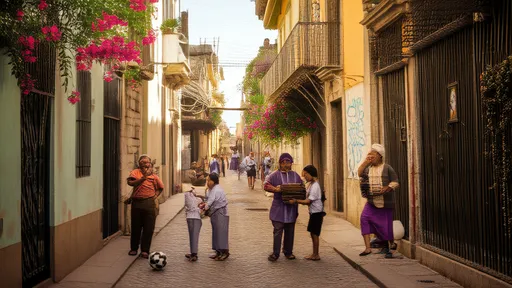
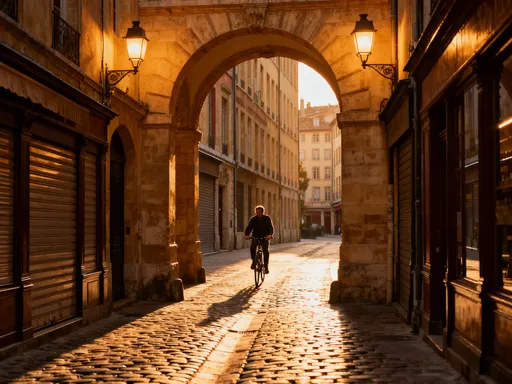
What makes Cork especially inviting for food lovers is its human scale. The city center is walkable, intimate, and layered with history. Within a short stroll, one can pass from cobbled lanes to bustling markets, from riverside promenades to tucked-away eateries that feel like someone’s living room. This accessibility fosters exploration without fatigue. You don’t need a car or an itinerary to discover something delicious—you need only curiosity and a willingness to follow the scent of baking bread or wood-fired grilling.
Beyond convenience, Cork’s dining identity thrives on balance. Here, tradition isn’t preserved behind glass—it’s lived and adapted. Old-world recipes like slow-cooked beef and Guinness stew or flaky boxty pancakes coexist with modern interpretations that honor ingredients without overshadowing them. A chef might serve heirloom carrots with wild garlic and brown butter, letting the produce speak for itself. This respect for both heritage and innovation creates a culinary landscape that feels authentic, not performative. In Cork, food isn’t about impressing—it’s about connecting.
The English Market: More Than Just a Meal—A Lifestyle
If Cork has a beating heart, it’s the English Market. Established in 1788, this covered food hall is not a tourist attraction frozen in time—it’s a living, breathing institution where daily life unfolds in full sensory color. Walking through its arched entrance, visitors are met with a symphony of sounds: the clatter of trays, the banter between stall keepers, the rhythmic thud of a cleaver splitting fresh meat. The air carries layers of aroma—smoked fish, ripe cheese, warm spices, and the yeasty perfume of just-baked soda bread. This is not a place to rush through. It’s a place to linger, listen, and learn.
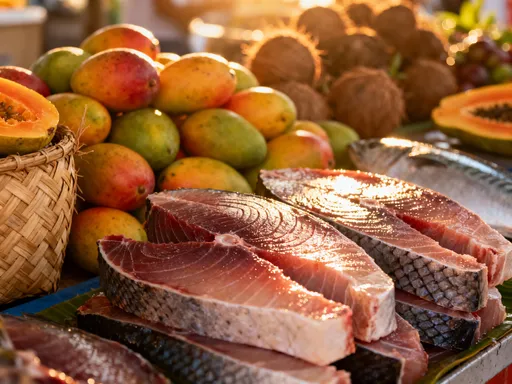
Every stall tells a story of continuity. Generations of families have tended these counters, passing down recipes and relationships. You’ll find fishmongers who know which cove yielded the oysters that morning, and butchers who source from farms just outside the city. The emphasis is on provenance, not presentation. A wedge of creamy Cashel Blue, a fillet of wild salmon from the River Lee, a jar of honey from local hives—each item carries a quiet pride in its origin. There’s no need for flashy labels; the quality speaks in taste.
What truly sets the English Market apart is its role as a community hub. Locals come not just to shop, but to socialize. It’s common to see neighbors pausing mid-aisle for a chat, or a vendor slipping an extra mushroom into a customer’s bag “for the pot tonight.” The market doesn’t operate on sterile efficiency—it runs on familiarity and trust. Visitors who approach with respect and a smile are often drawn into this rhythm, offered a sample of pâté or a tip on the best place for coffee nearby. In this way, the market becomes more than a meal stop; it becomes a lesson in Irish hospitality.
From Cafés to Courtyards: Where Locals Unwind with a Bite
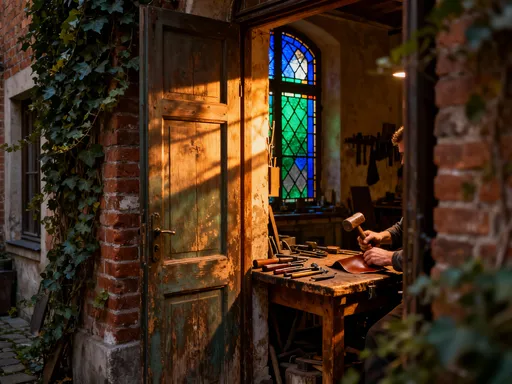
Away from the market’s energy, Cork reveals another layer of its food soul: the quiet, unhurried spaces where people gather to unwind. These are not Instagrammable hotspots designed for fleeting fame, but enduring sanctuaries where time stretches and conversation deepens. Think of a sunlit café tucked behind a bookshop, where the espresso is strong and the chairs are worn from years of use. Or a courtyard pub, hidden behind a narrow arch, where ivy climbs the stone walls and the clink of glasses blends with soft laughter.
In these places, dining is not a task to complete but an experience to savor. A cup of tea might last an hour, refilled without question. A slice of homemade cake is served on mismatched china, adding to the sense of home. Staff often greet regulars by name, and newcomers are met with a nod and a warm “What’ll it be?” There’s no pressure to turn over tables. Instead, the expectation is to settle in, breathe, and let the moment unfold. This pace is not laziness—it’s intentionality, a cultural commitment to presence over productivity.
The design of these spaces reinforces their role as refuges. Wooden beams, exposed brick, potted herbs on windowsills—these details create a sense of groundedness. Natural light filters through old glass, and music, if present, is low and unobtrusive: perhaps a folk tune drifting from a corner speaker or the faint strum of a guitar from a nearby street performer. The atmosphere invites connection, whether it’s between friends catching up over soup and sandwiches or a solo visitor journaling with a bowl of lentil stew. In a world that often feels rushed and fragmented, these corners of Cork offer something rare: stillness with flavor.
Farm-to-Table Done Right: Cork’s Love Affair with Freshness
The richness of Cork’s food scene is inseparable from the land that surrounds it. Just beyond the city limits, rolling pastures, misty meadows, and fertile valleys stretch toward the horizon. This proximity to farmland is not just scenic—it’s foundational to the region’s cuisine. Many restaurants in Cork have direct relationships with nearby farms, often within a 30-mile radius. This isn’t a marketing slogan; it’s a practical reality that shapes menus on a daily basis.
Seasonality is the guiding principle. In spring, you’ll find dishes featuring fresh lamb, tender asparagus, and wild garlic foraged from hedgerows. Summer brings heirloom tomatoes, ripe berries, and herbs like thyme and rosemary that perfume the air as they’re chopped in the kitchen. Autumn offers root vegetables—parsnips, carrots, and beets—roasted with honey and herbs, while winter celebrates preserved foods, hearty stews, and slow-cooked meats. The result is a menu that changes not arbitrarily, but in harmony with nature’s rhythm.
Restaurants that prioritize local sourcing do so not only for flavor but for sustainability. By reducing food miles and supporting small-scale agriculture, they contribute to a more resilient food system. Diners benefit too: ingredients picked at peak ripeness deliver deeper taste and better nutrition. A simple dish of pan-seared pork with apple compote and cabbage becomes memorable not because of complexity, but because each element is at its best. In Cork, farm-to-table isn’t a trend—it’s a tradition quietly upheld, a way of eating that honors the land and the people who tend it.
Seafood with a View: Eating Fresh by the Irish Coast
Cork’s relationship with the sea is as deep as its connection to the soil. Nestled near the southern coast of Ireland, the city benefits from access to some of the cleanest, most abundant waters in Europe. This maritime influence is evident in the prominence of seafood on menus across the city. From modest chowder stands to harbor-side restaurants, the ocean’s bounty is celebrated with reverence and simplicity.
On any given morning, fishing boats return to nearby ports like Kinsale and Union Hall with catches that will be on plates by evening. Oysters, plump and briny, are served on the half-shell with nothing more than a squeeze of lemon. Mussels, steamed in white wine and cream, arrive in wide bowls perfect for sharing. Fish—whether hake, pollock, or the occasional wild salmon—is often pan-fried in butter and accompanied by seasonal vegetables. The preparation is straightforward, allowing the natural flavor of the seafood to shine.
Dining by the water adds another dimension to the experience. Picture a small restaurant perched on a cliff, where waves crash below and gulls cry in the distance. Or a converted boathouse where nets still hang on the walls and the floorboards creak underfoot. These settings aren’t designed for luxury—they’re authentic, weathered, and full of character. The view isn’t a backdrop; it’s part of the meal. Eating here feels elemental, as though you’re participating in a cycle that has sustained coastal communities for generations. In Cork, seafood isn’t just food—it’s a connection to the sea itself.
Sweet Endings: Bakeries and Dessert Spots That Feel Like Home
No meal in Cork feels complete without a touch of sweetness. The city has a deep affection for baked goods, and its bakeries—both long-standing and newly opened—reflect a culture that values comfort, craftsmanship, and care. These are not places for elaborate desserts layered with foam and gold leaf, but for treats that feel familiar, generous, and made with heart. The scent of cinnamon, brown sugar, and warm butter often spills onto the sidewalk, drawing passersby inside like a siren’s call.
Scones are a staple, served with clotted cream and homemade jam, their golden crusts giving way to a soft, tender crumb. Apple tarts, baked in deep ceramic dishes, feature fruit so ripe it caramelizes at the edges. Pies—filled with rhubarb, berry, or even savory combinations like chicken and leek—are sold by the slice, wrapped in paper for a picnic or enjoyed at a small table by the window. Even something as simple as a currant bun, spiced and dense, carries the weight of tradition, often enjoyed with a cup of tea after mass on Sunday morning.
What makes these bakeries special is not just what they serve, but how they make people feel. Many are family-run, with recipes passed down through decades. The staff remember regulars’ preferences, and children are welcomed with a small cookie handed over the counter. There’s a sense of belonging in these spaces, as if every bite is an act of care. In a world where food is often fast and disposable, Cork’s bakeries offer something different: sweetness that nourishes the soul, not just the stomach.
How to Experience Cork Like a True Food Lover
To truly taste Cork, one must adopt the mindset of a local: curious, unhurried, and open to discovery. Begin your day early at the English Market, when the stalls are freshly stocked and the light slants through the high windows. Arrive with an empty tote bag and a willingness to chat. Ask the cheesemonger for a recommendation, or let the fishmonger tell you what’s best that morning. These conversations are not just transactions—they’re invitations into the city’s food culture.
Follow the rhythm of the city. Lunch might be a bowl of chowder at a harbor-side café, eaten while watching boats bob in the marina. Afternoon could bring a stop at a hidden courtyard for coffee and a slice of cake. Dinner need not be planned in advance; some of the best meals arise from following the crowd into a busy pub or stumbling upon a small restaurant with a chalkboard menu in the window. The key is to embrace spontaneity and resist the urge to optimize every moment.
Engage with the people behind the food. Compliment a baker on her scones, thank a server for his recommendation, or simply smile and say “top day” to a vendor. These small gestures open doors. Corkers are proud of their city and happy to share its secrets with those who show genuine interest. And remember: the best meals are not always the most expensive or the most photographed. They are the ones eaten slowly, shared with others, and remembered for their warmth as much as their flavor.
Finally, leave room for the unexpected. A rainy afternoon might lead you to a cozy tearoom where an elderly couple offers to share their table. A wrong turn could bring you to a quiet square with a pop-up food truck serving lamb stew in bread bowls. These unplanned moments are not detours—they are the heart of the experience. In Cork, food is not a checklist. It’s a journey of connection, one bite at a time.
Cork doesn’t shout about its food—it whispers through flavors, shared tables, and quiet moments of joy. This city teaches us that great eating isn’t about luxury; it’s about presence. When you let go of schedules and trust your taste, you don’t just find good food—you find belonging. So pack your appetite, not your expectations. In Cork, every bite tells a story waiting to be lived.