Wander Where the Mountains Touch the Sky: Innsbruck Unfiltered
Imagine stepping into a postcard where snow-capped peaks frame cobbled streets and every turn feels like a scene from a fairytale. That’s Innsbruck for you—a hidden gem nestled in the heart of the Austrian Alps, where nature and culture blend seamlessly. I wandered without a map, let the alleys guide me, and discovered landscapes so stunning they stopped me mid-step. This isn’t just a trip; it’s a soul reset. The crisp alpine air fills your lungs, the silence between church bells feels sacred, and the rhythm of life moves at a pace that allows you to truly see, hear, and feel. Innsbruck offers a rare balance—urban comfort meeting wilderness grandeur—making it one of Europe’s most emotionally resonant destinations for travelers seeking beauty, authenticity, and quiet rejuvenation.
First Glimpse: Arriving in Innsbruck – A City Cradled by Nature
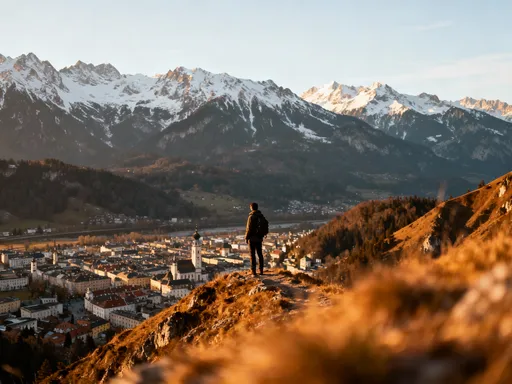
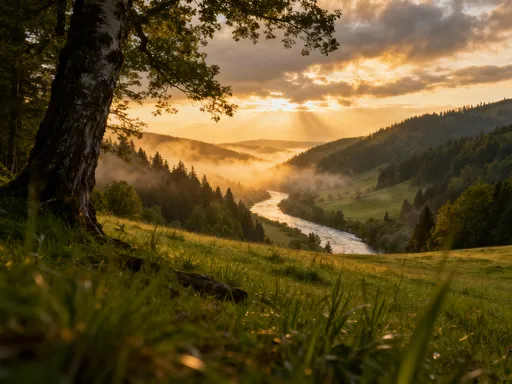
The first view of Innsbruck stays with you. Whether arriving by train from Munich or Zurich, or stepping out of the airport terminal, the city unfolds like a carefully composed painting. To the north, the jagged ridges of the Nordkette rise abruptly from the valley floor, their snow-dusted summits glowing under alpine sunlight. To the south, the Patscherkofel and Serles mountains stand guard, their slopes draped in pine forests and alpine meadows. The Inn River winds through the center, its clear waters reflecting rooftops tiled in terracotta and slate.
What makes this arrival so powerful is the immediacy of nature. Unlike other European cities where mountains feel distant or symbolic, here they are present—real, towering, and almost protective. The urban layout respects the terrain, with buildings stepping up the hillsides and public spaces designed to frame mountain vistas. Even the main train station offers a panoramic view through its glass facade, welcoming travelers not just to a city, but to a landscape.
Accessibility enhances the experience. Innsbruck is well-connected by rail, with direct routes from major German and Swiss cities. The journey itself becomes part of the adventure—glass-domed trains glide through tunnels and over viaducts, revealing ever-changing perspectives of the Alps. For those driving, well-maintained autobahns lead into the valley, and parking is manageable, especially if staying in designated zones outside the old town. The regional airport offers seasonal international flights and convenient connections within Europe, making Innsbruck reachable without the stress of long transfers.
Public transportation within the city is efficient and intuitive. The Innsbruck Card, available to visitors, provides unlimited access to buses, trams, and even the initial leg of the Nordkette cable car system. This seamless mobility allows guests to transition effortlessly from urban exploration to mountain ascent, often within the same day. The city’s compact size means most attractions are within walking distance, yet the transport network ensures that remote trails and high-altitude viewpoints remain within reach.
The Golden Roof and Old Town Charm: Where History Meets the Present
At the heart of Innsbruck lies the Altstadt, or old town, a beautifully preserved ensemble of medieval and baroque architecture. The centerpiece is the Goldenes Dachl, or Golden Roof, a 16th-century balcony adorned with 2,657 fire-gilded copper tiles. Commissioned by Emperor Maximilian I, it was once a symbol of imperial power, but today it stands as a testament to enduring craftsmanship and civic pride. Though small in size, its intricate reliefs and ornate columns draw visitors into a story of Renaissance artistry and Habsburg legacy.
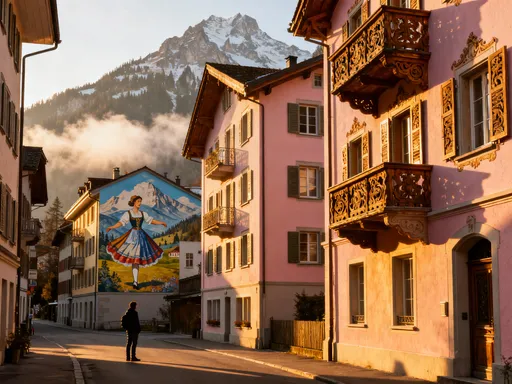
Surrounding the Golden Roof, Herzog-Friedrich-Straße stretches like a spine through the historic district. Lined with pastel-hued buildings, boutique shops, and centuries-old inns, this pedestrian-only street pulses with quiet energy. There are no souvenir chains or flashy billboards—instead, family-run businesses display hand-carved wooden figurines, locally woven textiles, and Tyrolean hats with feathered trim. The scent of fresh bread drifts from bakeries tucked into stone archways, while flower boxes overflow with geraniums and petunias in summer.
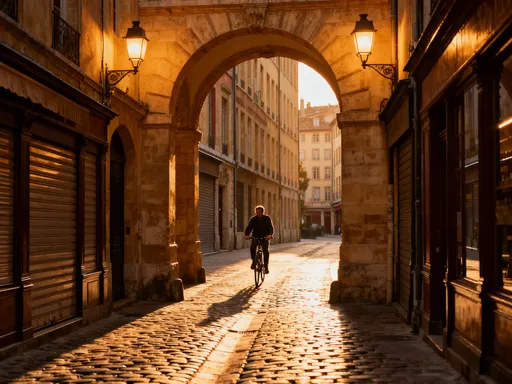
Walking these cobbled lanes feels less like tourism and more like participation in a living tradition. Children ride bicycles near fountains, elders sit on benches reading newspapers, and shopkeepers greet regulars by name. There’s a sense of continuity—a place where history isn’t preserved behind glass but lived daily. The Cathedral of St. James, with its striking black-and-white tiled roof, anchors the western end of the street, its interior housing a magnificent baroque high altar and the tombs of Habsburg rulers.
What makes the old town especially appealing to mature travelers is its pace. There are no crowds rushing to check attractions off a list, no loud tour groups blocking narrow alleys. Instead, visitors can linger over coffee at a sun-drenched café, browse a bookshop specializing in Alpine literature, or simply pause to admire the way sunlight hits a gargoyle’s face at golden hour. This is travel that engages the senses slowly, rewarding attention and curiosity.
Nordkette: Riding the Cable Car to the Roof of Innsbruck
No visit to Innsbruck is complete without ascending the Nordkette, the mountain range that forms the city’s northern crown. The journey begins at the Congress station, where the Hungerburg funicular glides silently uphill through forested slopes. Designed by architect Zaha Hadid, the station buildings blend modern elegance with natural materials, their curved forms echoing the surrounding hills. After a brief ride, passengers transfer to the Seegrube cable car, which climbs even higher, rising above tree lines and into the realm of rock and ice.
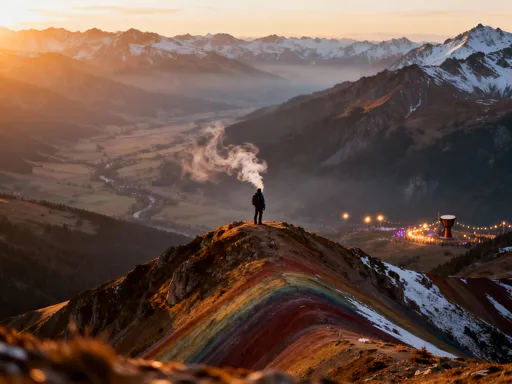
The ascent itself is transformative. With each passing minute, the city shrinks below, its rooftops becoming tiny tiles in a vast mosaic framed by distant peaks. At Seegrube, 1,905 meters above sea level, the air is cooler and sharper, carrying the scent of pine and damp stone. From here, panoramic views stretch across the Inn Valley, with the city appearing both delicate and resilient against the monumental backdrop of the Alps.
For those ready to walk, a network of well-marked trails leads to higher stations like Hafelekar, which reaches 2,256 meters. These paths are suitable for a range of fitness levels—some paved and gently sloped, others rocky and more challenging. Along the way, alpine flowers bloom in summer, including edelweiss and gentians, while marmots whistle from rocky outcrops. Information boards explain the geology and ecology of the region, offering quiet education amid breathtaking scenery.
Visitors are advised to dress in layers, as temperatures can drop significantly at elevation, even in summer. Sturdy footwear is recommended, and carrying water and a light snack ensures comfort on longer walks. To avoid crowds, early morning or late afternoon visits are ideal—fewer people, better light, and a deeper sense of solitude. The descent at sunset, with the city lights beginning to twinkle below, is a moment of quiet awe, a perfect end to a day of vertical exploration.
Hidden Valleys and Secret Spots: Beyond the Tourist Trail
While the old town and Nordkette draw well-deserved attention, some of Innsbruck’s most profound experiences lie just beyond the main routes. A short bus ride south leads to the Patscherkofel, a mountain less frequented than the Nordkette but equally rewarding. The cable car here offers a gentler ascent, opening to wide meadows and forest trails where hikers encounter more sheep than people. At the summit, a small chapel dedicated to St. Nicholas stands in quiet dignity, its bell ringing only on feast days.
Further afield, the Stubai Valley unfolds like a ribbon of green and white, stretching southward into the high Alps. Accessible by regional bus, this glacial valley is home to the Stubai Glacier, one of Austria’s longest ski runs, but in summer it transforms into a hiker’s paradise. Trails meander past waterfalls, glacial streams, and mountain huts serving warm cheese sandwiches and spruce beer. The Ebenwaldalm, nestled in a forest clearing, offers panoramic views without the foot traffic of more famous lodges.
Equally enchanting are the quiet villages dotting the hillsides—Mutters, Kranebitten, and Igls—each with its own rhythm and charm. In Mutters, a small alpine garden showcases native plants, while Igls, once a retreat for European royalty, retains a stately calm. Local cafés in these areas often feature outdoor seating with unobstructed mountain views, perfect for a midday pause with a slice of homemade cake and a cup of herbal tea.
Reaching these places requires minimal effort but yields maximum reward. Public buses run regularly, and many routes are included in the Innsbruck Card. For those with a rental car, scenic drives along the Sill River or up the Wipptal Valley offer opportunities to stop at roadside stands selling honey, jams, and fresh milk. These excursions aren’t about ticking off landmarks but about immersion—feeling the texture of place, hearing the silence between cowbells, and tasting food that carries the essence of the land.
Seasons of Splendor: When to Visit for the Best Views
Innsbruck’s beauty shifts with the seasons, each offering a distinct character and set of experiences. Spring, from April to early June, brings a soft awakening. Snow melts in the lower valleys, feeding streams that rush with new energy. Meadows turn green, and fruit trees bloom along the Inn River. This is a quiet time, with fewer tourists and mild temperatures ideal for walking and photography. The city’s parks, like the Hofgarten, come alive with daffodils and tulips, while mountain trails begin to open at lower elevations.
Summer, from late June to early September, is the peak season for outdoor activity. Temperatures in the city hover between 20°C and 25°C (68°F–77°F), making it comfortable for exploration. The high alpine trails are fully accessible, and wildflowers blanket the slopes. This is also the season of cultural events, including the Innsbruck Festival of Early Music, which draws classical music lovers to historic venues across the city. While July and August see more visitors, the surrounding mountains are vast enough to absorb the flow, and early risers can still find solitude on popular paths.
Autumn, from late September to November, is often considered the most magical time. The larch trees turn golden, contrasting with evergreen pines and rocky cliffs. The air grows crisp, and morning fog settles in the valley like a soft blanket, lifting to reveal sunlit peaks. This season offers ideal hiking conditions—stable weather, fewer bugs, and dramatic light. Local markets overflow with apples, pumpkins, and chestnuts, reflecting the harvest spirit of Tyrolean life.
Winter transforms Innsbruck into a snow-globe wonderland. From December through March, the city is dusted with snow, and the mountains are blanketed in white. Christmas markets fill the old town with the scent of mulled wine and roasted almonds, while ice skating rinks pop up in public squares. The Nordkette becomes a ski and snowshoe paradise, with slopes suitable for all levels. Yet even in winter, the city remains accessible and walkable, with heated trams and covered walkways ensuring comfort. For those who love the quiet beauty of snow and the joy of seasonal traditions, this is a deeply satisfying time to visit.
Food with a View: Alpine Flavors That Warm the Soul
Food in Innsbruck is not merely sustenance—it’s an expression of place, shaped by centuries of mountain living. Tyrolean cuisine emphasizes heartiness, preservation, and local ingredients, designed to fuel long days in cold weather. At its core are dishes like Käsespätzle, a rich blend of egg noodles and melted cheese topped with crispy onions; Tiroler Gröstl, a skillet of potatoes, meat, and onions fried to golden perfection; and Speckknödel, savory dumplings made with smoked bacon and herbs.
Equally iconic is the region’s love of dairy. Mountain pastures produce some of Austria’s finest milk and cheese, including Graukäse, a tangy, low-fat cheese once eaten by shepherds. This is often served with boiled potatoes and chives, a simple but deeply satisfying meal. Apple strudel, made with tart local fruit wrapped in flaky pastry, remains a beloved dessert, best enjoyed warm with a dollop of whipped cream.
Where you eat is as important as what you eat. Mountain huts, known as Almhütten, offer meals with uninterrupted views. Places like the Hungerburgalm or the Seegrube Restaurant serve traditional dishes with large windows facing the peaks. Eating at 2,000 meters, after a long walk, brings a sense of accomplishment and connection—to the landscape, to the people who built these shelters, and to the rhythm of alpine life.
In the city, family-run inns like Goldener Adler or Stiftskulinarium offer refined takes on regional cuisine in historic settings. Meals here are leisurely, meant to be savored over hours. A glass of local wine or a spruce tip soda complements the flavors, while servers often share stories about the ingredients’ origins. For travelers, these moments become anchors—taste memories that linger long after the journey ends.
Wandering Without an Agenda: The Art of Slow Travel in Innsbruck
One of the most profound lessons Innsbruck teaches is the value of aimless wandering. In a world that measures travel in checklists and photo ops, this city invites a different rhythm—one of observation, stillness, and surprise. Without a schedule, without a map, I found myself turning down alleys that led to hidden courtyards, sitting on benches where old men played chess, and following the sound of a church choir through an open door.
Slow travel here isn’t a luxury; it’s a necessity. The mountains demand presence. You cannot rush a view that takes your breath away. You cannot hurry a conversation with a shopkeeper who offers you a sample of homemade jam. These moments accumulate, forming a deeper understanding of place—not as a destination, but as a living, breathing community.
Psychologically, this kind of travel offers relief from the constant stimulation of modern life. The absence of noise, the clarity of air, the rhythm of natural light—all contribute to mental restoration. Studies have shown that exposure to nature reduces stress and improves mood, and Innsbruck provides that in abundance. But it’s the combination of nature and culture—of wild peaks and human warmth—that makes the experience truly restorative.
For women in their 30s to 50s, often balancing family, work, and personal needs, Innsbruck offers a rare space to reconnect with oneself. There’s no pressure to perform, no need to document every moment. Instead, there’s permission to pause, to breathe, to simply be. A morning walk along the river, an afternoon reading in a sunlit café, an evening listening to music in a candlelit church—these are the moments that heal.
Why Innsbruck Stays With You Long After You Leave
Innsbruck doesn’t shout for attention. It doesn’t rely on grand monuments or flashy attractions. Instead, it lingers in the quiet moments—the way sunlight hits a mountain at dawn, the sound of cowbells drifting up from a valley, the warmth of a stranger’s smile in a village shop. It’s a city that feels both grand and intimate, wild and welcoming.
What makes it unforgettable is its balance. It offers the convenience of a modern European city with the soul of an alpine village. It’s accessible yet feels remote, historic yet alive, scenic yet deeply human. You come for the views, but you stay for the feeling—that rare sense of belonging, of peace, of being exactly where you’re meant to be.
For those seeking more than a vacation—a true reset of heart and mind—Innsbruck is not just a destination. It’s an invitation. An invitation to slow down, to look closely, to listen. To wander not with a map, but with curiosity. To travel not to escape, but to remember who you are. So pack lightly, leave the checklist behind, and let the mountains guide you. In Innsbruck, every step is a homecoming.